Skip to content

Paul Jackson

Citizen, Educator, & Environmental Scientist

  • About
    • Brief Biography
  • Projects
  • Blog
    • ecopjack&me
  • CV
  • Connect
    • Calendar
    • Contact
    • LinkedIn
  • Resources & Media
    • PTJ in the Media
    • ASDL Collection
    • GC Troubleshoot
    • HPLC troubleshoot
    • ACS Center for Laboratory Safety
    • STO Chemical Hygiene

Month: January 2016

Projects at the Asian Rural Institute

One of the distinct advantages of working with undergraduates, is the creative, inquisitive energy they bring to the table. This month I threw them into the deep end. I asked them to develop some collaborative research projects, define their contributions to the project, and work with a community partner in a country other than their own.

Projects at the Asian Rural Institute

One of the distinct advantages of working with undergraduates, is the creative, inquisitive energy they bring to the table.  This month I threw them into the deep end.  I asked them to develop some collaborative research projects, define their contributions to the project, and work with a community partner in a country other than their own.  Our hosts at the Asian Rural Institute (ARI) graciously accepted the idea of pursuing lines of inquiry that would assist them in delivering their own rural leadership training program and provide insights into the operation of their organic farm on about 9 ha of campus and rented lands.  Thus far I have been quite impressed with their determination to pursue lines of inquiry and be challenged by limits on the technology that could be applied to their questions.

The crew of seven students spent the first few days at ARI exploring the landscape, brainstorming project ideas, and talking about their individual and collective interests.  What came out of those interactions was two overarching ideas:  1.  Systems, subsystems and transfer to of processes and ideas to new locations; and 2. Landscape recovery from the 2011 Daiichi event, with particular interest in the forest-soil relationship.
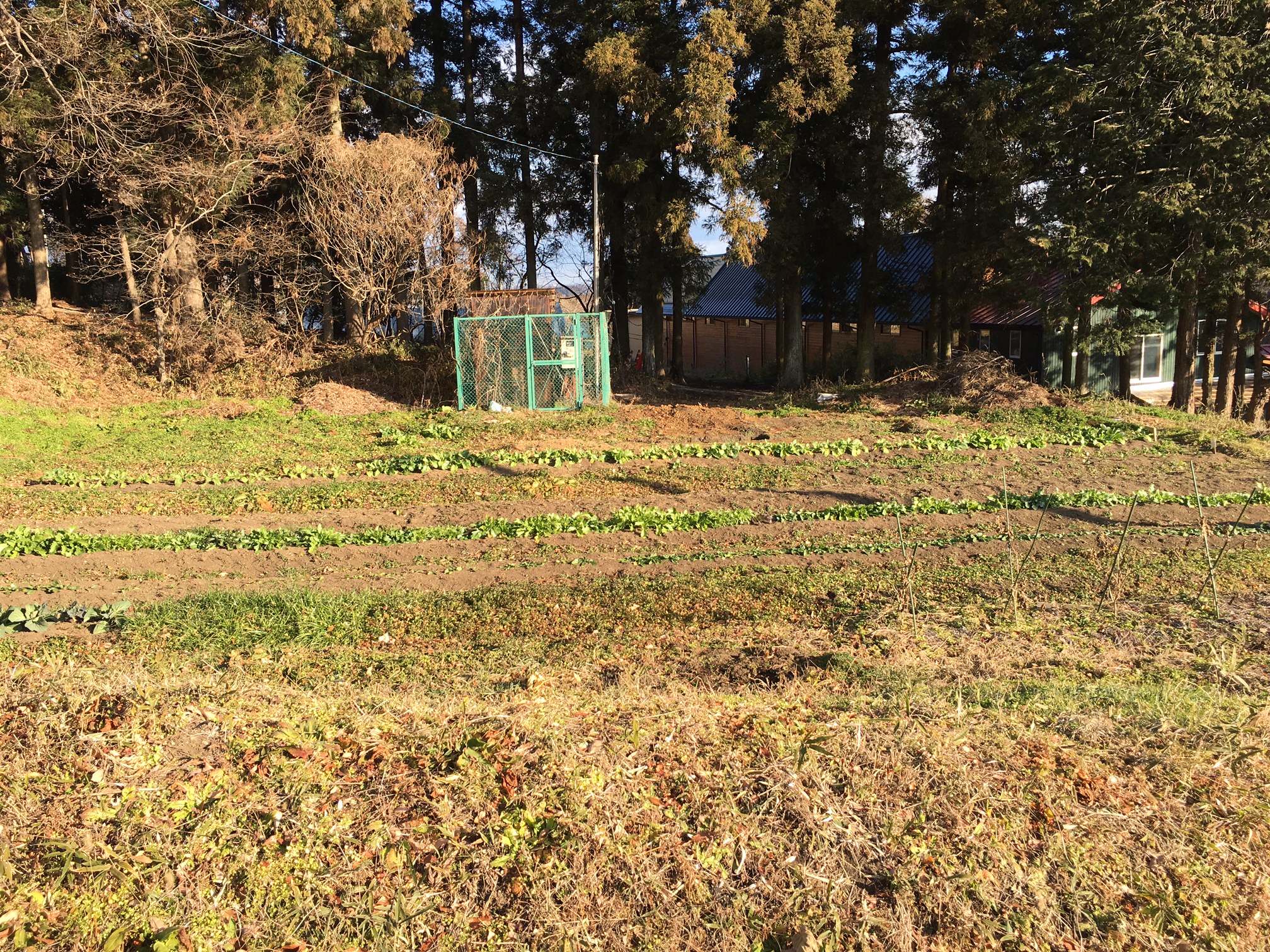
Example of ARI garden plot.
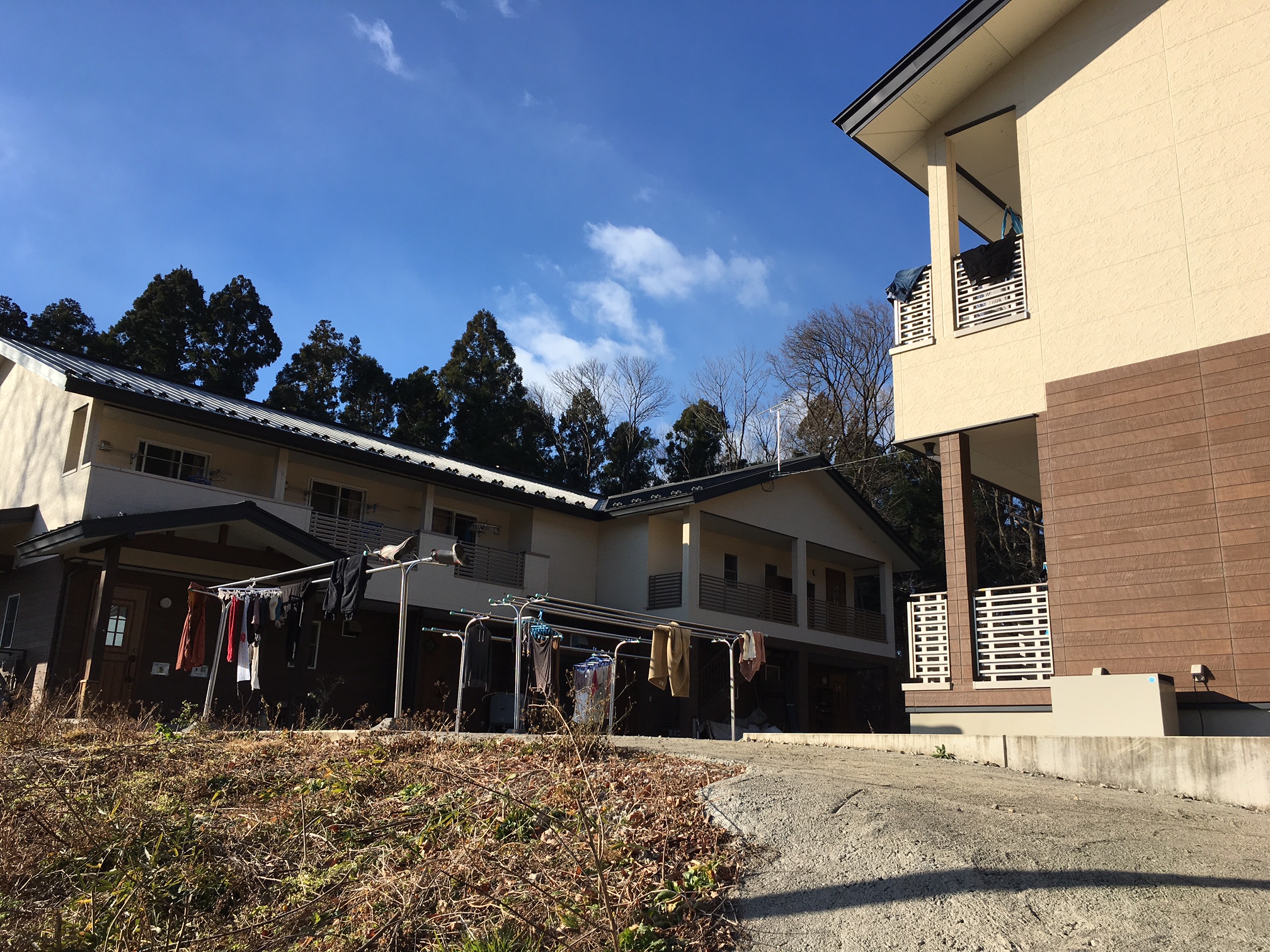
Men's residence and guest residence.
Men’s residence and guest residence.

Some member of the first group are exploring how ARI systems for quick composting (Bokashi) can be modified for a larger African participant group, who use more wheat and maize compared to rice.  They created new bokashi recipes from ARI materials, log temperature development in those piles as a measure of their effectiveness, and want to help staff and future ARI participants visualize the organisms that make the system function, including indigenous microorganisms.  A few others are creating system diagrams and supporting narratives.  One plans to illustrate how all components of maize can be used in different ways at ARI, and the other is examining past participant information regarding system components readily transferred to other countries for small scale hog/pig rearing.

Preparing bokashi materials.
Gathering and grinding wheat for the bokashi compost.

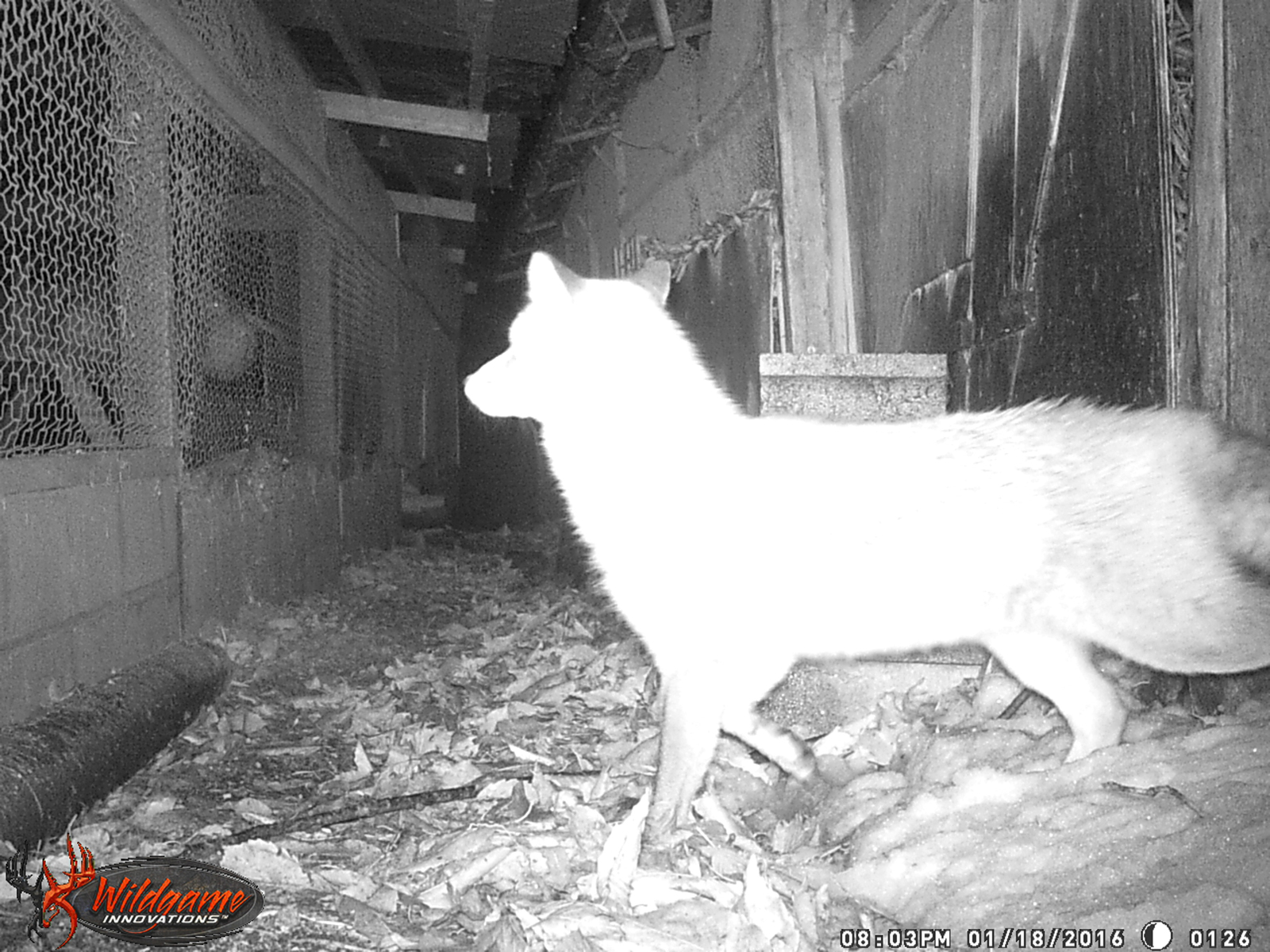
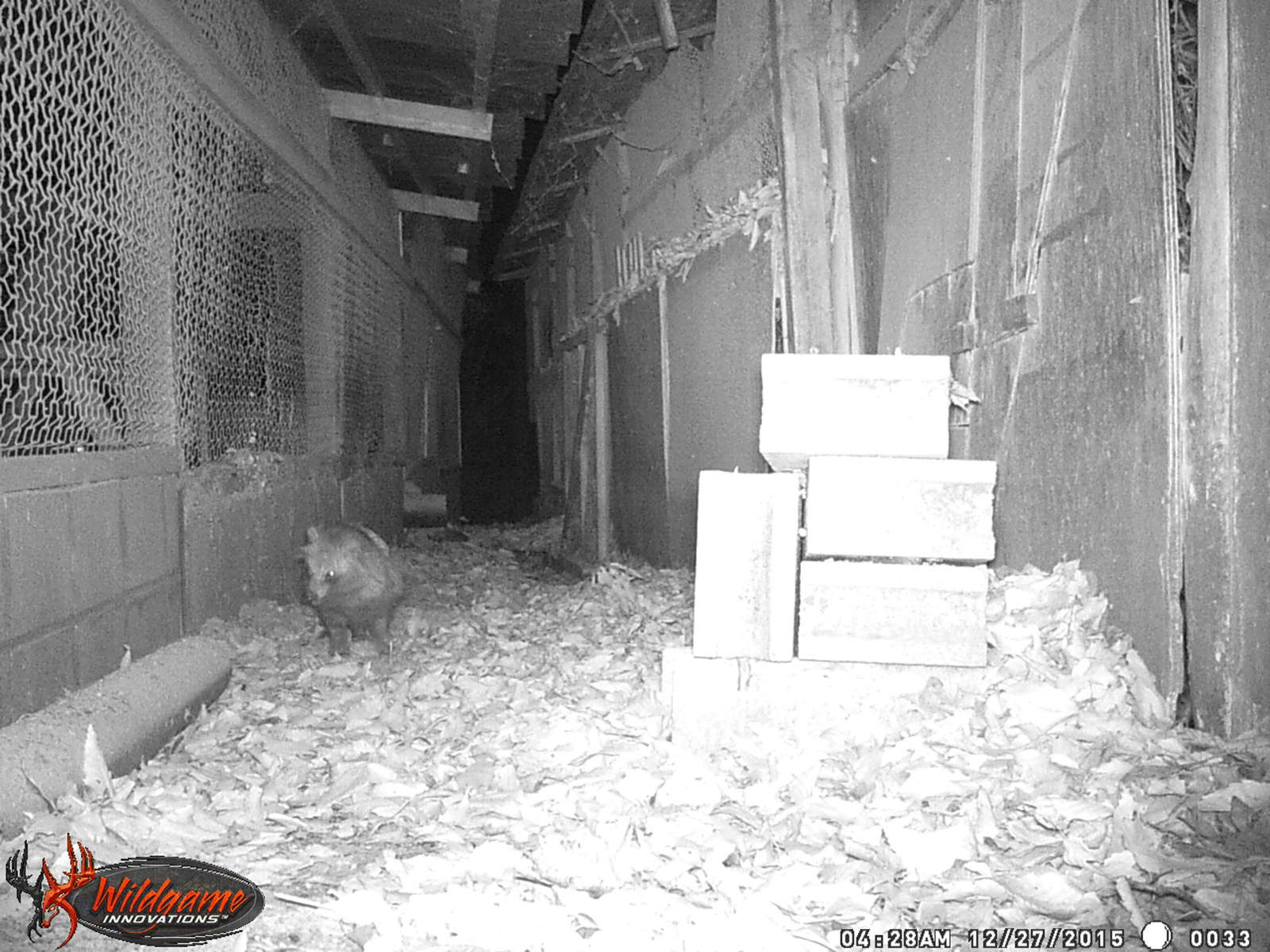
The landscape team got very interested in the continued recovery post the March 2011 Daiichi event.  In particular, one student who went to a full-day session on Fukushima at the 2015 American Geophysical Union meeting, was very interested in movement of radioactive material in the soil system.  Others wanted to know how much of these radioisotopes were still present in the forest canopy.  Rather than climbing tall trees, we retooled to look at the forest floor litter – upper most surface (recent growth) and the litter-soil interface (older growth).  Our Japanese colleagues at the ARI Becquerel Center have provided valuable assistance to use in sample preparation and specifications for using their equipment.  It is a wonderful story – how local retired scientists with expertise in nuclear medicine have been partnering with ARI to analyze food and landscape samples for the last four years and plan to operate for at least ten years.  Lastly we have set up a few camera traps to help our ARI friends understand other organisms that use the landscape or that might be of concern for their animal rearing programs.  Within a few days, we captured some predators lurking near one of the chicken houses!
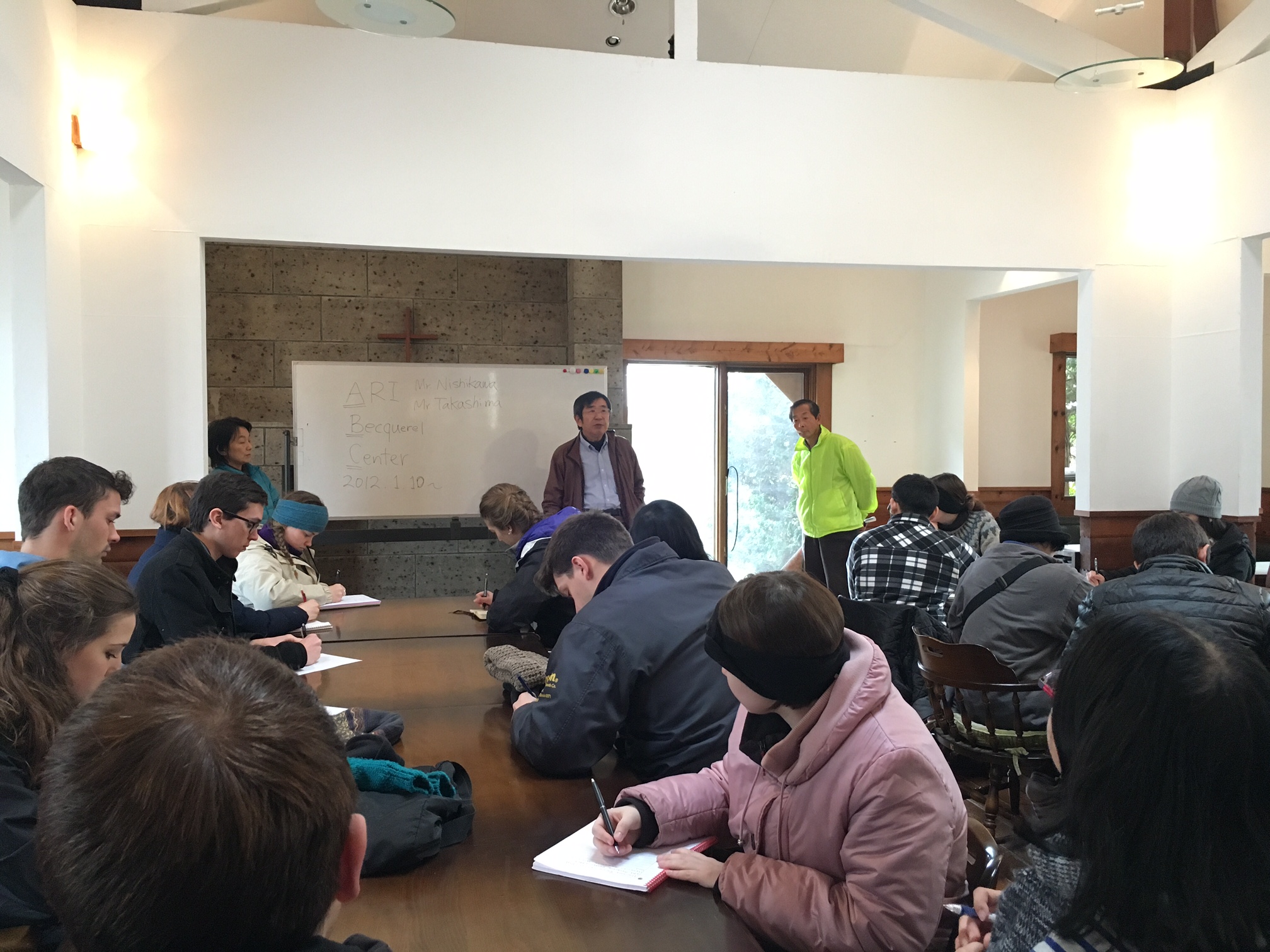
ARI Becquerel Center staff providing an introduction to their work for ASES 277 and 396 classes.
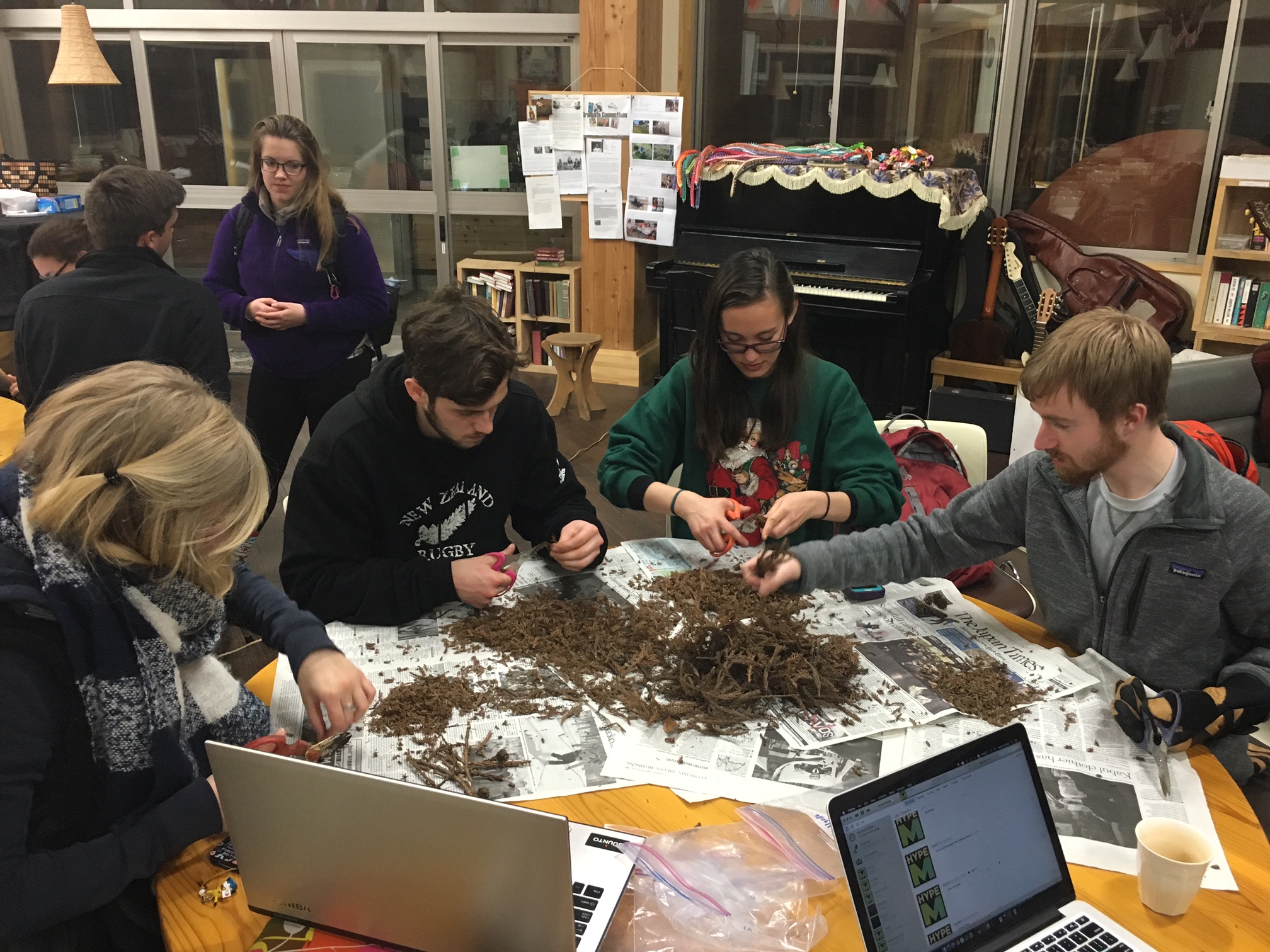
Cutting forest litter for sample submission to the ABC.
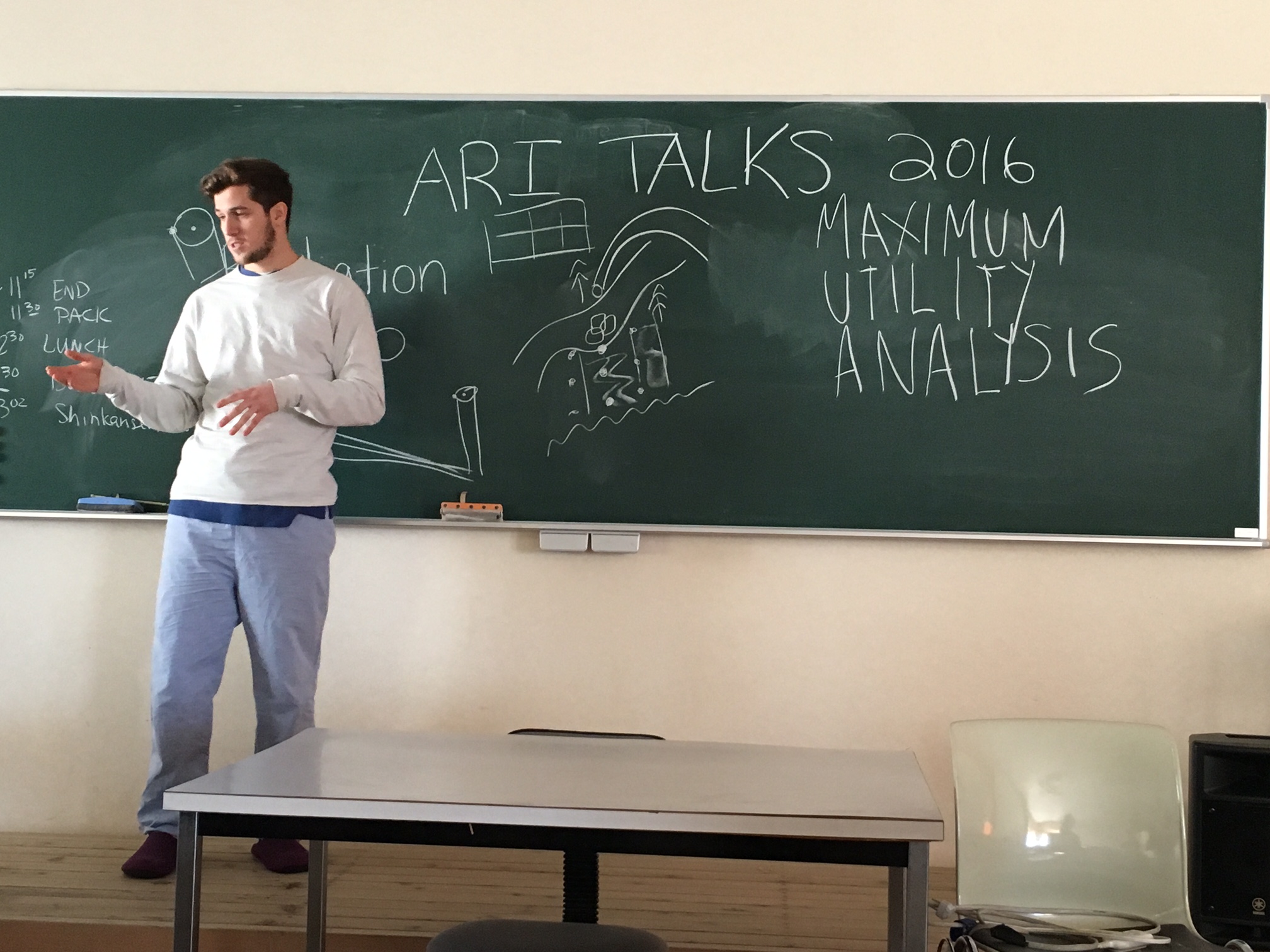
Pitching a project idea.

I am quite excited to see what kinds of stories the resulting data, analysis, and synthesis reveal.  Right now I think our community partner will be very pleased as will these young women and men doing the work!  Enjoy the images of our collaborative learning journey.
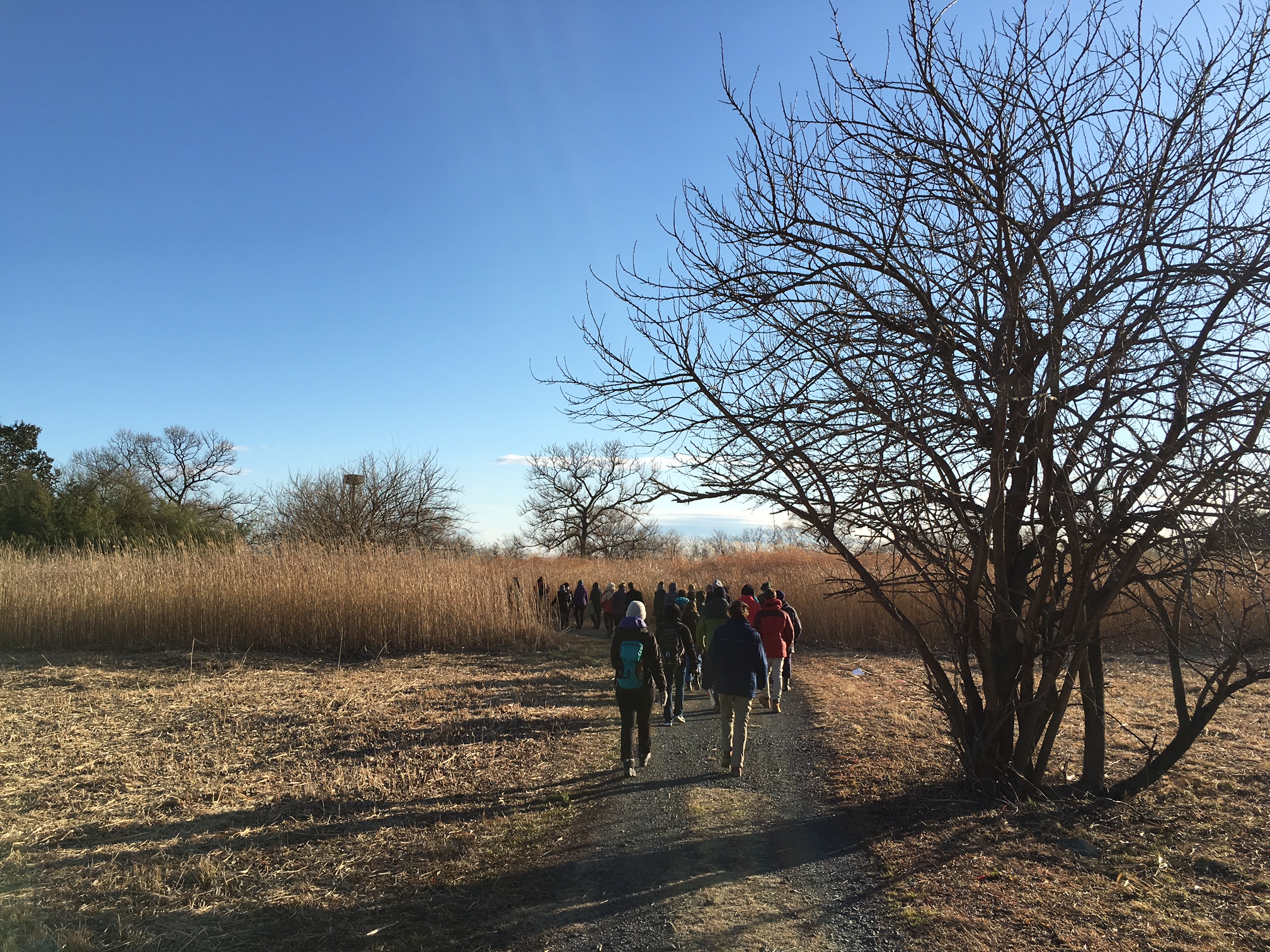
Quick image from a tour of the Watarase Retarding Basin with both classes (ASES 277 & 396)
Red fox caught on camera near chicken house
Raccoon dog caught on camera near chicken house
Author jacksonPosted on January 23, 2016January 24, 2016Categories Civic Engagement, Japan, Off-Campus Study, Teaching & Learning

Recent Posts

  • Link to Common Read Shared Docs
  • A Chemist goes to the Movies… STINK!
  • Composting – Take One Step Forward
  • Building Community in the Kitchen
  • Projects at the Asian Rural Institute

RSS ACS Environment

  • Blue Activity uses bacteria to treat water in industrial cooling systems
  • Moa Foodtech turns the food industry’s trash into treasure using AI
  • Parallel Carbon integrates direct air capture and water electrolysis
  • Wildfire smoke evolves as it drifts from wilderness to city
  • Deep eutectic solvents are still waiting in the wings
  • Climate tech reframes and pivots

RSS NPR Environment

  • When it comes to climate change, is there a point when adaptation isn't enough?
  • Terry Tempest Williams
  • Climate Change Is Here For Your Chocolate
  • This Underwater Sculpture Garden Protects Italian Fishing Grounds

RSS NPR Climate

  • Isaias pummels the Gulf Coast, and plows through Alabama
  • Former NOAA official on coastal cities' vulnerabilities during severe weather
  • Isaias strengthens into the first hurricane of the Atlantic season
  • Super El Niño is here. What's so super about it?

RSS ACS Energy

  • Climate tech reframes and pivots
  • This battery is ready to eat
  • Ultrasensitive heat sensor tracks X-rays from nuclear materials
  • These solar cells work 10 m beneath the sea
  • New Middle East disruption threatens Asia’s chemical makers
  • Graphene coating could cut the cost and impact of making batteries

RSS NPR Energy

  • Oil-heated households in Northeast strained by rising fuel prices
  • Trump says U.S. to get diesel from Russia, relaxing pressure on Moscow to ease prices before midterms
  • A new executive order aims to bring down diesel prices. Could it work?
  • High diesel prices hit hard in Wyoming

Archives

  • August 2020
  • June 2016
  • April 2016
  • February 2016
  • January 2016
  • April 2015
  • January 2015
  • December 2014

Categories

  • Australia
  • Civic Engagement
  • Community
  • Food
  • Green Chemistry
  • greening
  • higher education
  • Indigenous People
  • Japan
  • Japan
  • Knowledge
  • Off-Campus Study
  • Sustainability
  • Teaching & Learning
  • Uncategorized
  • Waste diversion

Meta

  • Log in
  • Entries feed
  • Comments feed
  • WordPress.org
  • About
    • Brief Biography
  • Projects
  • Blog
    • ecopjack&me
  • CV
  • Connect
    • Calendar
    • Contact
    • LinkedIn
  • Resources & Media
    • PTJ in the Media
    • ASDL Collection
    • GC Troubleshoot
    • HPLC troubleshoot
    • ACS Center for Laboratory Safety
    • STO Chemical Hygiene
Paul Jackson Proudly powered by WordPress