March
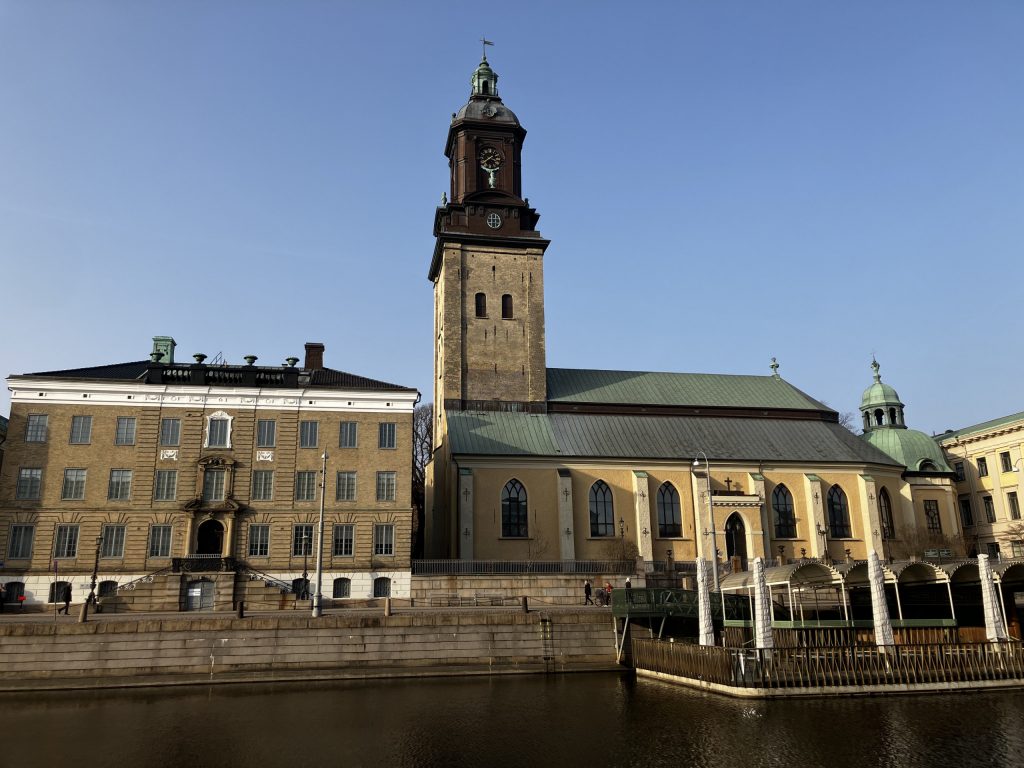
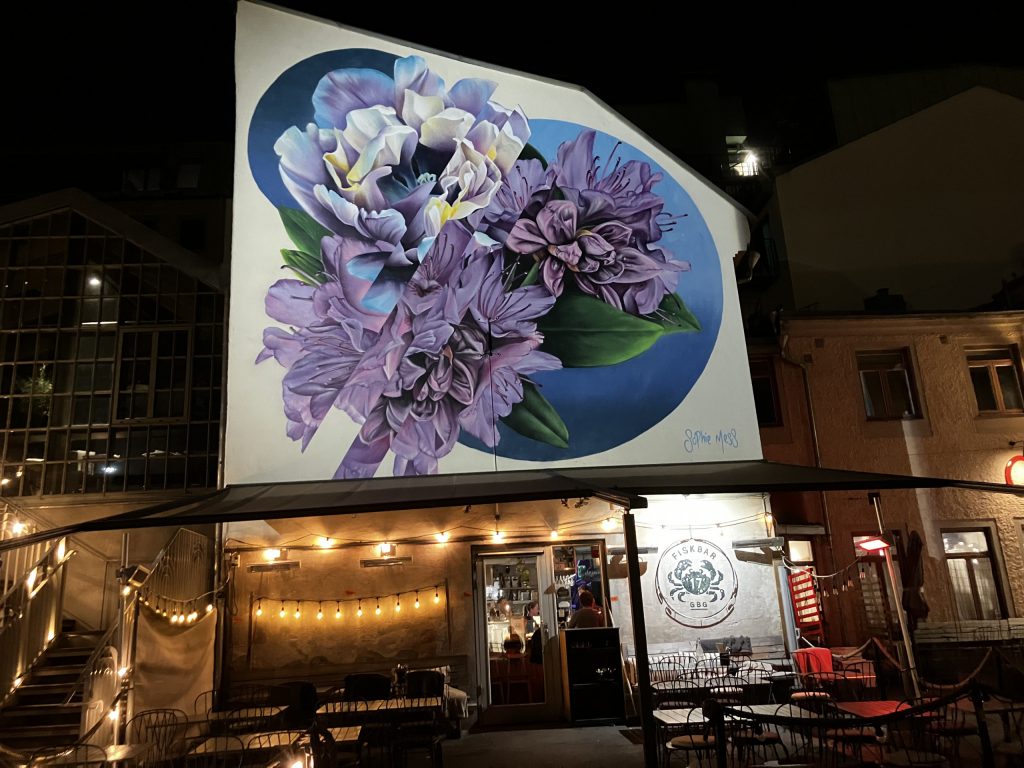
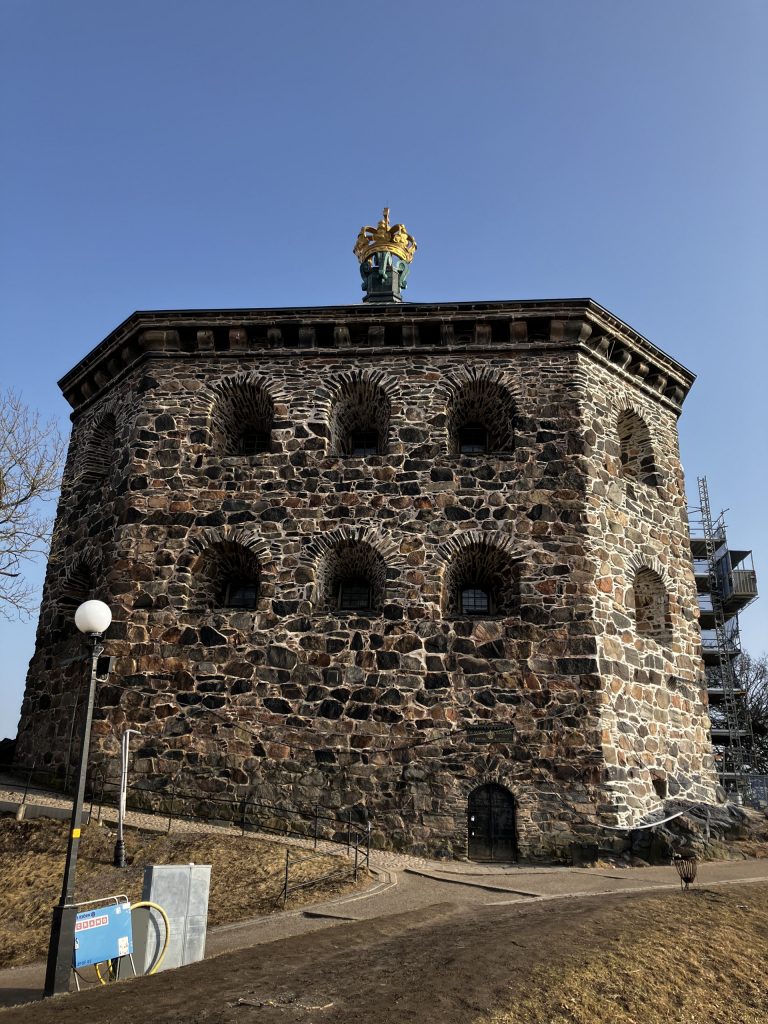
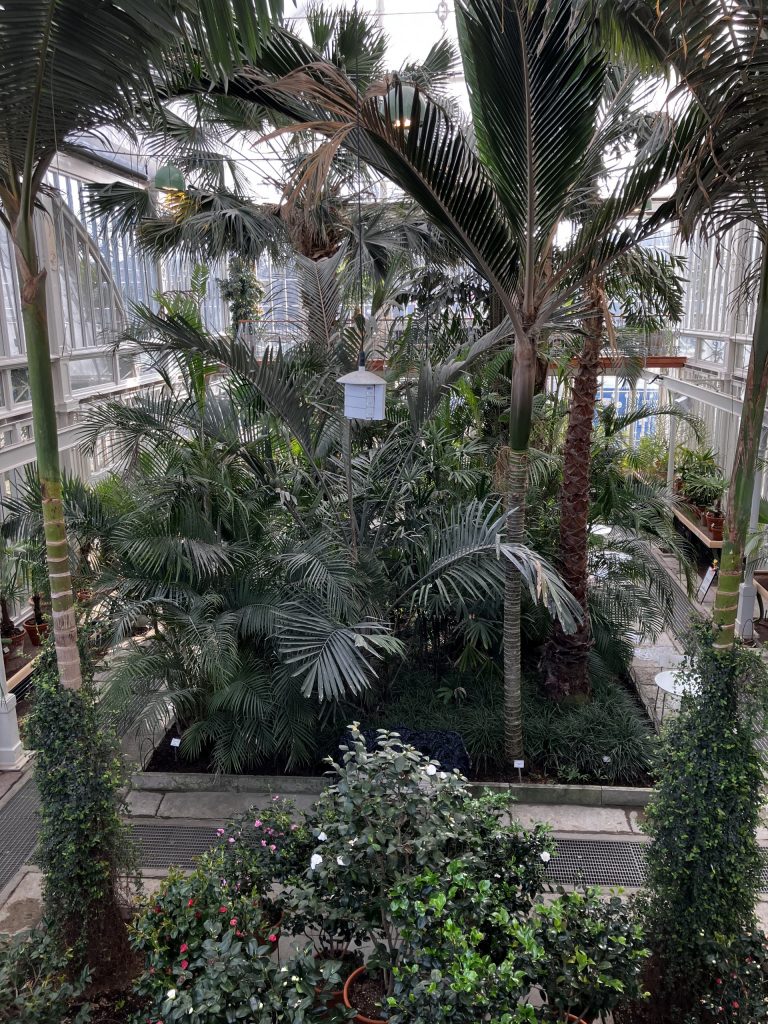
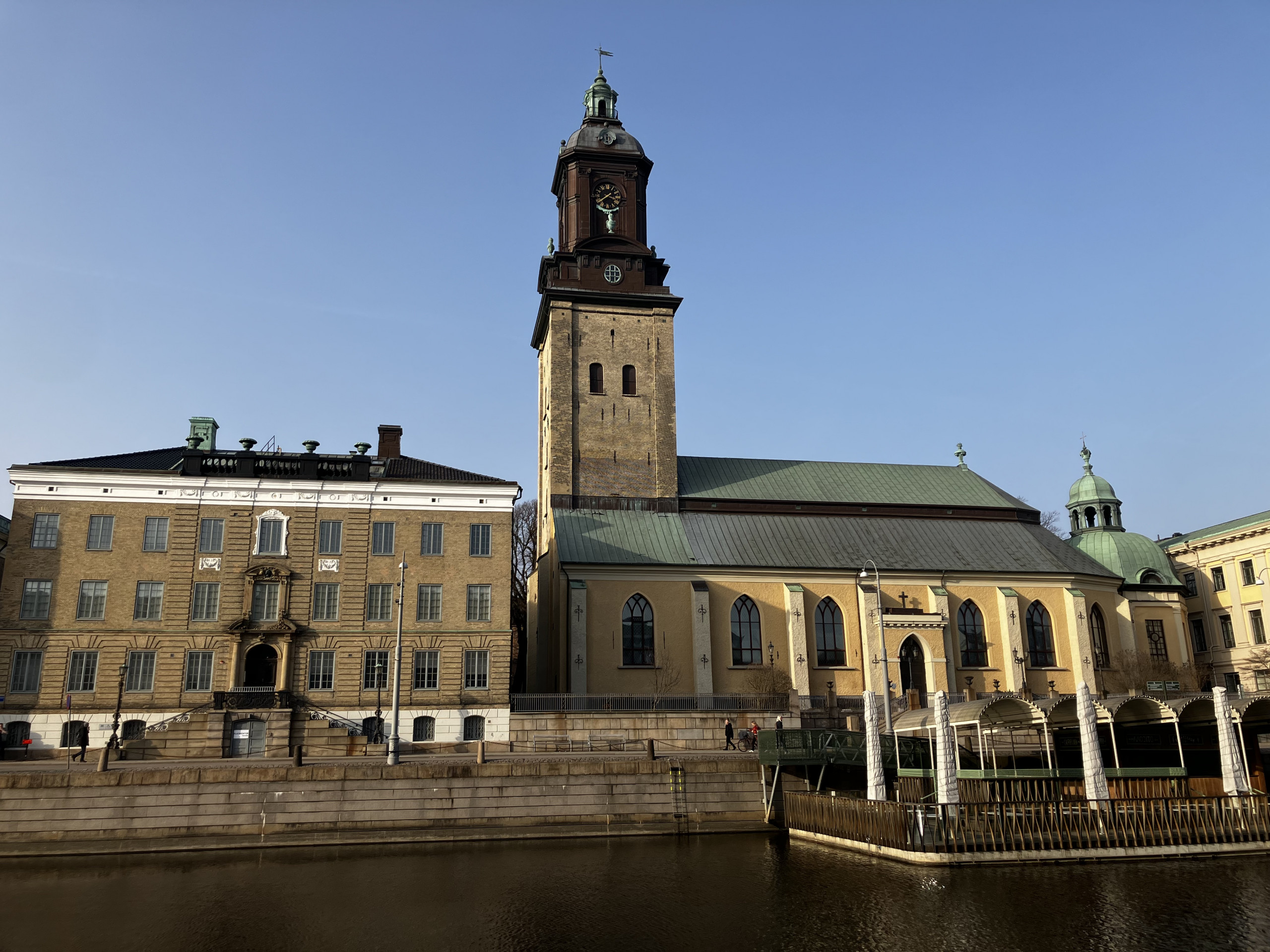
The weather began to warm up in March, and we noticed the light coming back, although the snow did linger for awhile. We mostly focused on work, school, and local activities. Ryan’s mom paid us a visit in early March. She had been to Norway before, but she loves adventures, so we surprised her with a bonus trip to Gothenburg (Göteborg), Sweden, which is just a short train ride away from Oslo. Gothenburg is really a charming town, and spring had arrived there earlier than in Oslo, so we enjoyed the warm weather and sunshine while exploring the architecture, canals and charming electric trams.
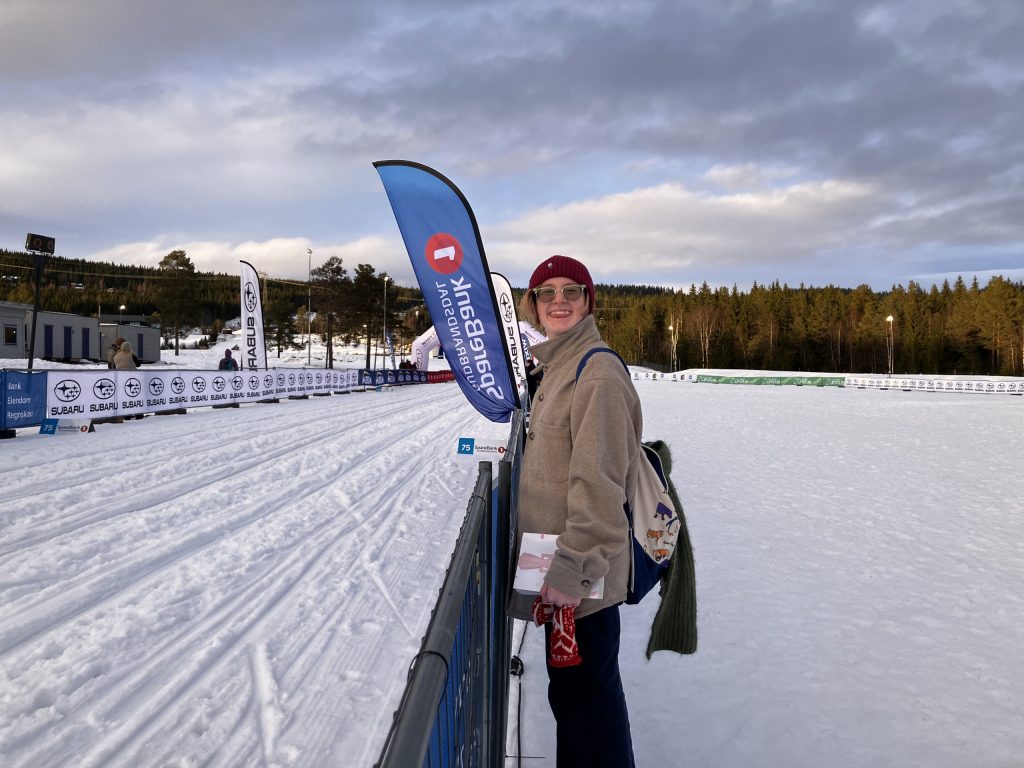
About a week later, we cheered Ryan on at the Birkebeinerrennet, a 53-kilometer Nordic ski race that starts in the town of Rena ends in the former Olympic city of Lillehammer. Participants have to arrive the night before, and Rena doesn’t have much room for overnight guests, so you can rent a mattress in the school and sleep there. (If you want to get an idea of what the race is like, there is a pretty cute film on Netflix called The Wrong Track that shows most of the traditions.) Conditions were awful, since the warm weather had already significantly melted the snow. It was pretty obvious that climate change is threatening the future of this traditional race. We were proud of Ryan for finishing, but I don’t think he would say that he enjoyed himself that much! (Aside from the festive spirit of the event.)
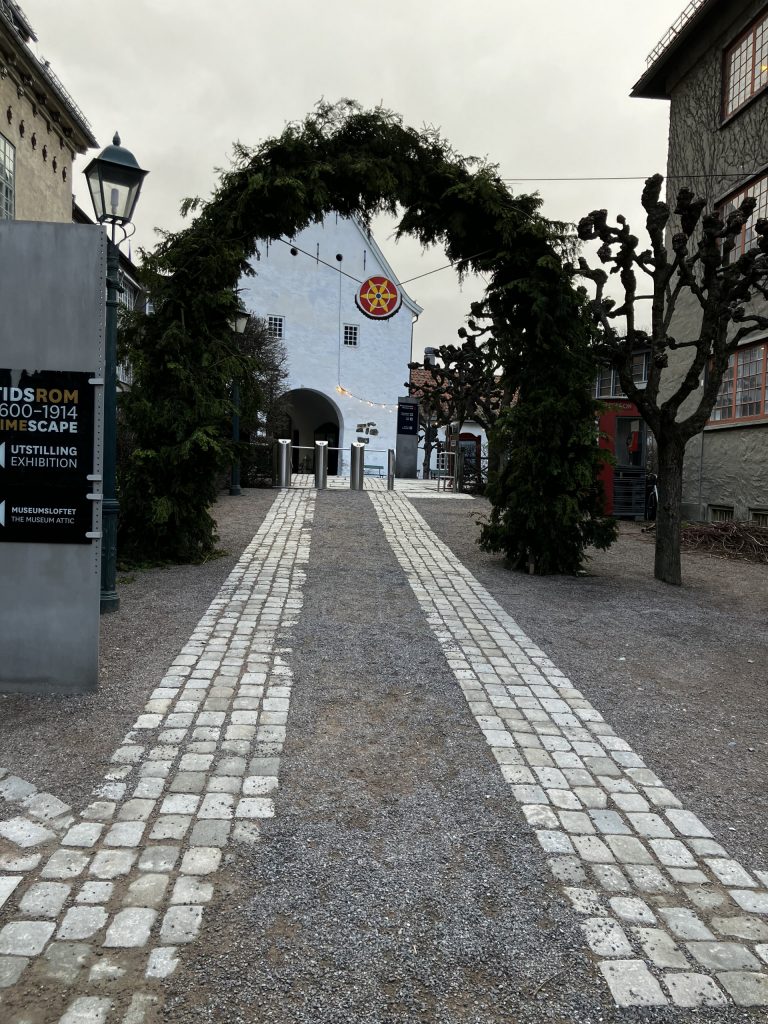
We also took Ryan’s mom to the Folk Museum on the day when they were celebrating Kven culture. Kvens are an ethnic minority group that migrated to Norway around the 1700s. Some of those who claim this heritage are actively engaged in language preservation and revitalization and bringing more attention to Kven history and culture.
Another local tradition we participated in this month is the loppemarked (flea market). Marching bands for school children are independent organizations rather than being run by the school. A flea market is a popular way to raise funds for the band, and they’re also a good way to get rid of clothes, books, and sports equipment since they are held in almost every neighborhood in both spring and fall. We had already been to a flea market in the fall, but in March we went to one that was being put on by the band that one of our friends belongs to. Annabel had fun helping in the used clothes section, and we did our part by contributing sausage and coffee money.
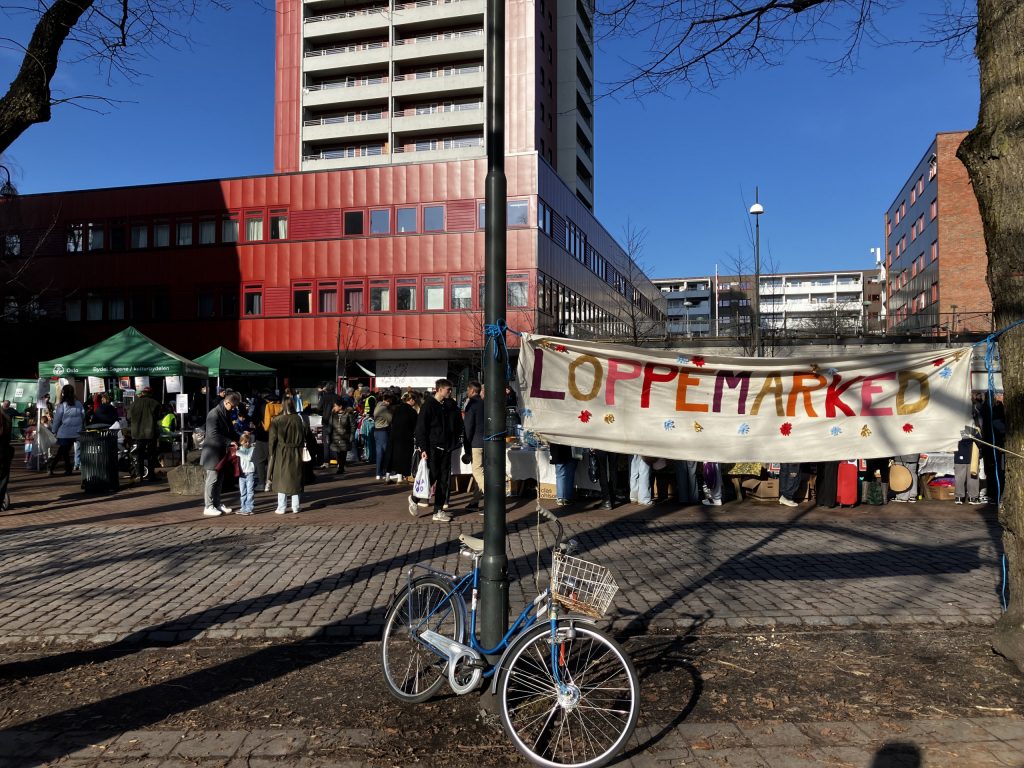
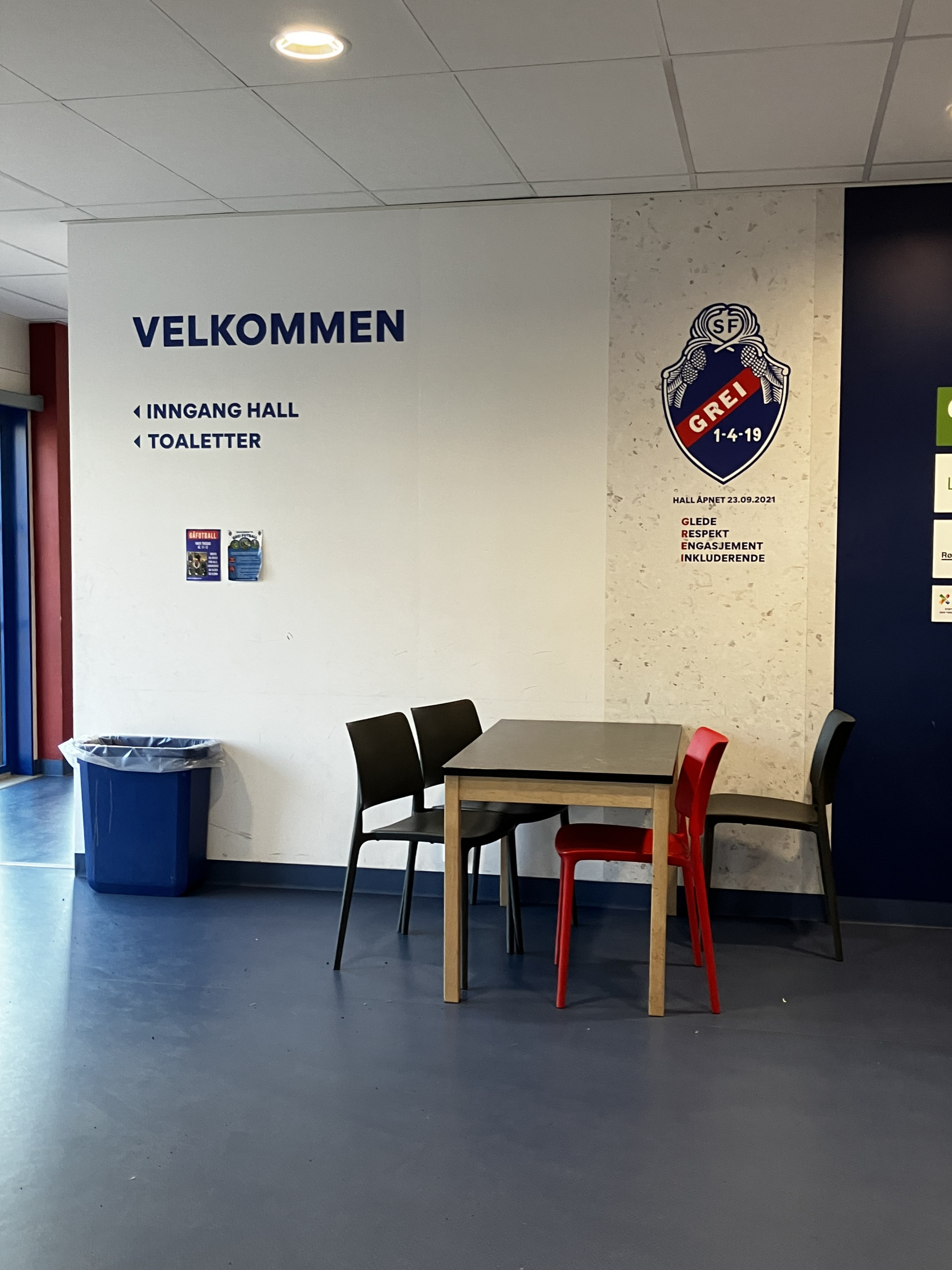
As a parent, helping to organize something like a loppemarked is considered dugnad. Dugnad is the Norwegian practice of volunteering, often to promote a common good. There is dugnad for kindergartens and schools—say, cleaning, painting, or doing improvement projects on the playground–, but there is also dugnad for apartment buildings that need annual sprucing up. I participated in dugnad for our local soccer club, where Annabel had been playing youth soccer since the fall. I wouldn’t say soccer is Annabel’s preferred physical activity, but it was affordable and offered training twice a week all year. This meant a chance to meet other kids outside of school and get some extra physical activity, especially in the winter. I did a volunteer session at the soccer club’s kiosk, selling drinks, slushies, and a lot of ramen noodles. Later in the year, Annabel and I helped pick up plastic trash in the neighborhood, a dugnad that groups could sign up for and then get paid by the city for their efforts.
April
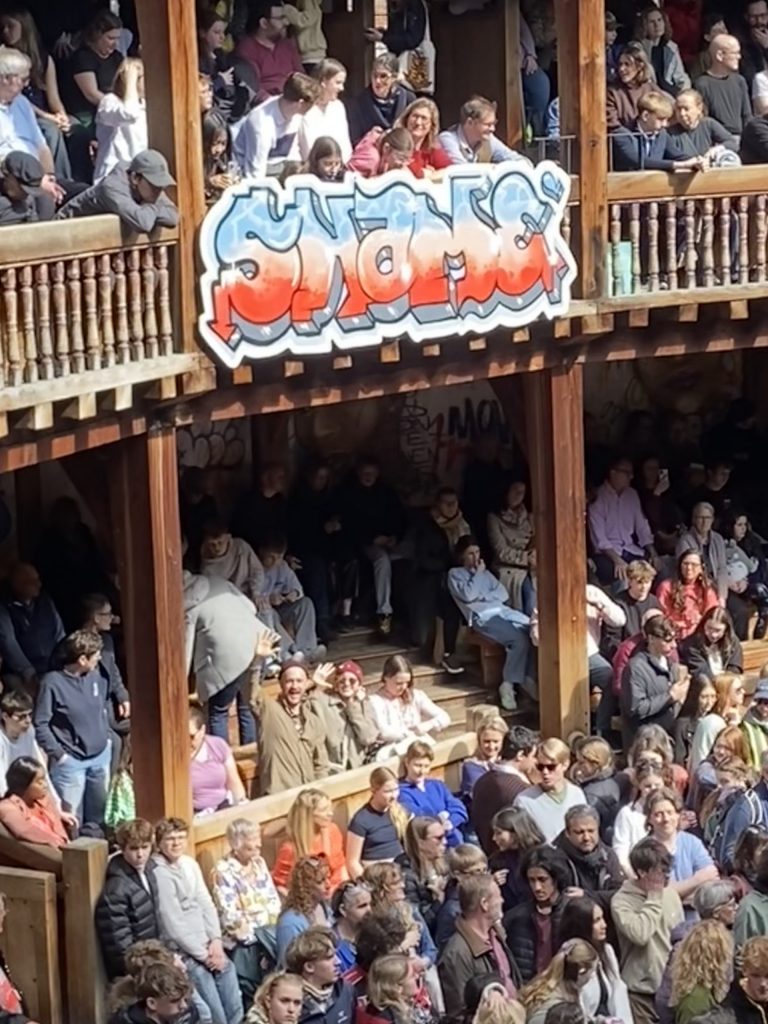
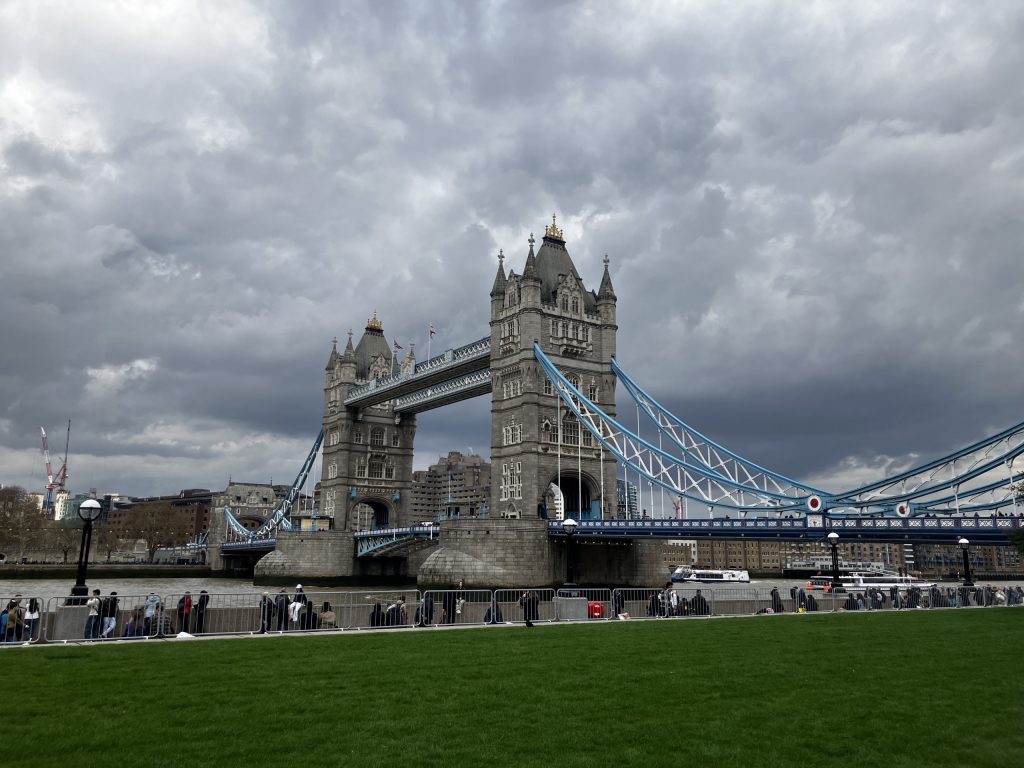
Before we knew it, it was time for påskeferie (Easter vacation). Easter vacation in Norway is five full days, from Skjærtorsdag (Maundy Thursday) to Andre påskedag (Easter Monday). Many stores, including grocery stores, are closed during this period, except for shorter opening hours on Saturday. Some Norwegians go on a skiing holiday during this time, but we had promised Annabel a trip to a bigger city, so we headed for London for about four days to visit friends and go sightseeing. Our friends live close to Abbey Road, so we got a family picture recreating the Beatles album cover. We went to the Tower of London, rode a double-decker bus, and most importantly for Annabel, saw a play at the Globe Theatre. Spring was also way ahead of Oslo in London, so it was refreshing to see flowers and sunshine again.
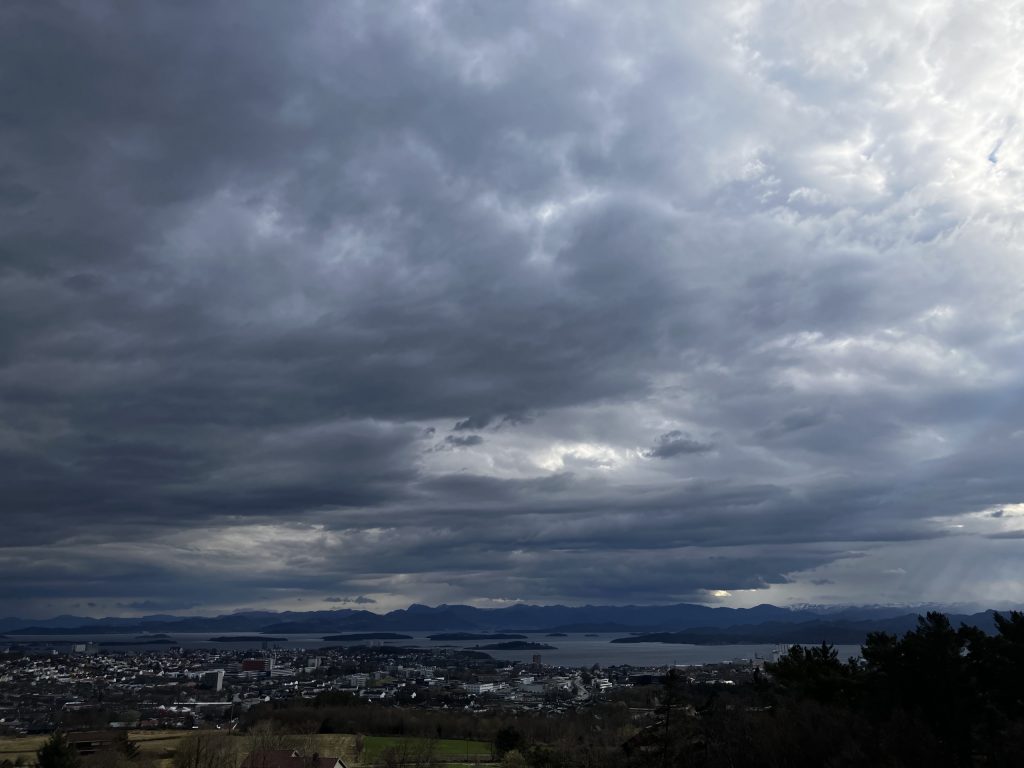
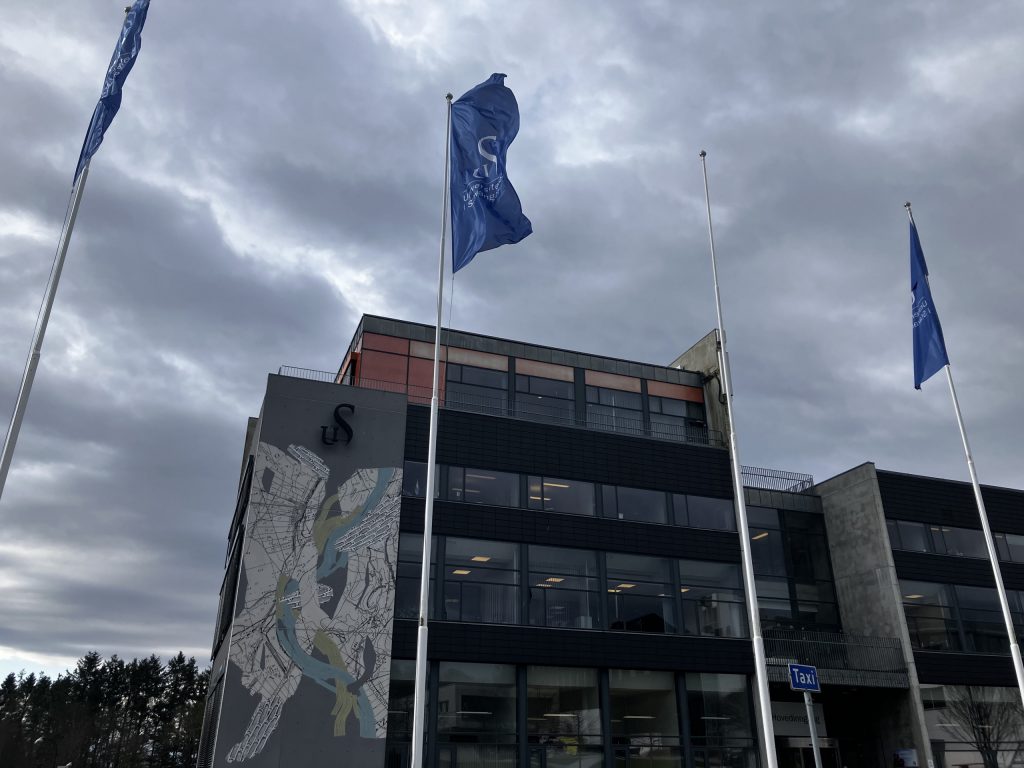
In general, spring meant travel season again. I made a quick trip to the University of Stavanger, where I presented my research in progress at the Greenhouse Center for Environmental Humanities. They were a welcoming audience and posed good questions. While there, I also visited the Oil Museum, adding it to my collection of energy-themed exhibits. This museum receives funding from the partially state-owned oil and gas company Equinor. (They have rebranded as an “energy company,” but energy sources besides oil and gas make up only a small percentage of their total production.) The museum explains the science and engineering behind off-shore oil and gas extraction, and it includes an exhibit that explains the history and workings of the Norwegian Sovereign Wealth Fund (aka “oil fund”). This exhibit raises some critical questions about how the fund is invested, how Norway will handle its finances after “peak oil” has passed (since Norway uses the fund to cover a percentage of its state budget every year), and the ethics of profiting from an energy source that is the major cause of climate change. (The museum exhibit focused on climate change was closed as it is currently being redesigned.) One part of the museum that fascinated me the most was the exhibit on the Alexander Kielland disaster, a 1980 incident in which one of the anchoring cables on an off-shore platform snapped, causing the platform to come unmoored and tip over. Many workers were injured or killed. The surviving workers’ descriptions of the accident were horrific and underscored the human cost of energy extraction, especially prior to the implementation of many of the safety improvements that exist today.
This month, I made a short trip to New York for the annual meeting of the Society for the Advancement of Scandinavian Study. This is a conference I regularly attend, and I enjoyed presenting research and connecting with colleagues as usual, but I was surprised by how uplifting it was to return to the US, especially to such a vibrant and diverse city. The many languages spoken, including the myriad varieties of English, were comforting after almost a year of mostly hearing Norwegian and/or Norwegian-accented English. In a time when the US is facing so many challenges, I appreciated the reminder of what a capable and cooperative people we are at heart. I was also struck by how much more direct New Yorkers in particular are–to organize so many people, you need workers in airports and subway stations giving clear instructions. As a small society, Norway often operates on the premise that everybody already knows what to do. When new people show up, or things suddenly go wrong, they often aren’t adept at explaining procedures or redirecting people on the fly. Americans, on the other hand (especially in big cities), are better at this.


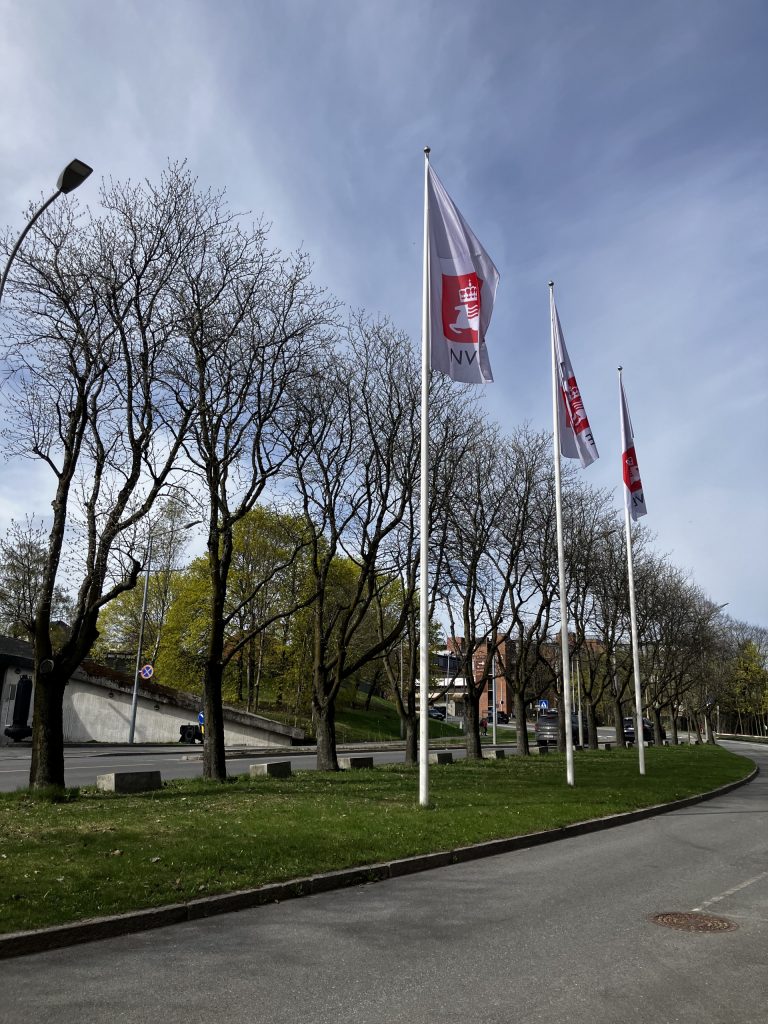
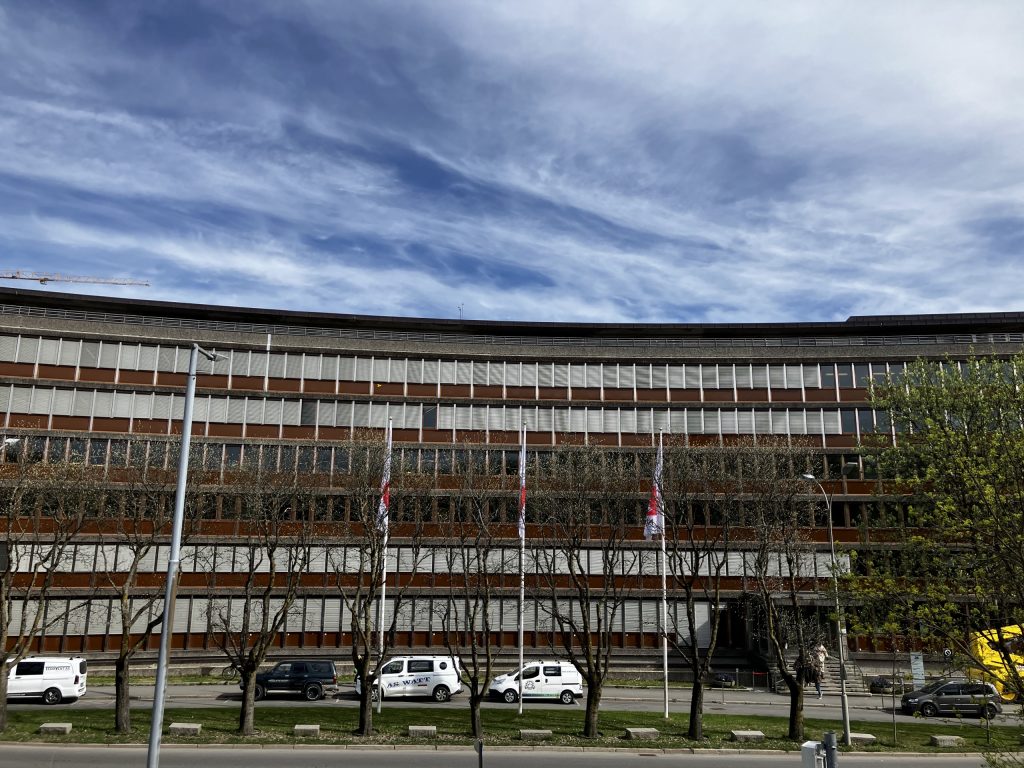
As soon as I got back to Norway from my trip, I was able to attend energy-related events at Norges Vassdrags- og energidirektorat (NVE; the Norwegian Energy Directorate) and Teknisk Museum (the Technical Museum). NVE is a major protagonist of my book project—they are the agency that evaluates permit applications for hydropower projects and engages in large-scale planning for Norwegian river basins. I made a helpful contact there who works in their divison for kulturminner or cultural heritage, helping to determine what water infrastructure is historically significant and should be preserved. A fascinating digital humanities project called Kraftlandet was celebrating its fifth year. Kraftlandet explains the history and current challenges associated with energy production in Norway, especially hydropower and wind. At the seminar I attended, the various participants explained their roles in creating the project as well as data on how it is being used. The next day many of the same participants, most of whom work at museums in Norway, presented on their new publication Et varslet uvær, which examines how Norwegian museums have responded to the nature and climate crises. One of my favorite parts of this year has been meeting staff at museums and archives who do work related to energy. The resources and talent that Norway has devoted to preserving and communicating about its technological and energy history is really impressive. Since more of this infrastructure is publicly owned, and especially publicly regulated, compared to the US, the state is more motivated to keep citizens informed about this sector and how it operates in order to promote transparency and democratic engagement.