January
January was a challenging month, not only because of the literal darkness, but because of the darkness that fell over Minnesota during Operation Metro Surge. It was difficult to witness from a distance as the daily lives of our friends and neighbors became shrouded in uncertainty and fear. At the same time, we were incredibly proud to watch them work tirelessly to protect their neighbors, providing everything from safe transportation to school to groceries and rent assistance. The images of clouds of tear gas and aggressive behavior on the part of law enforcement made it clear that their labor was not without risk.
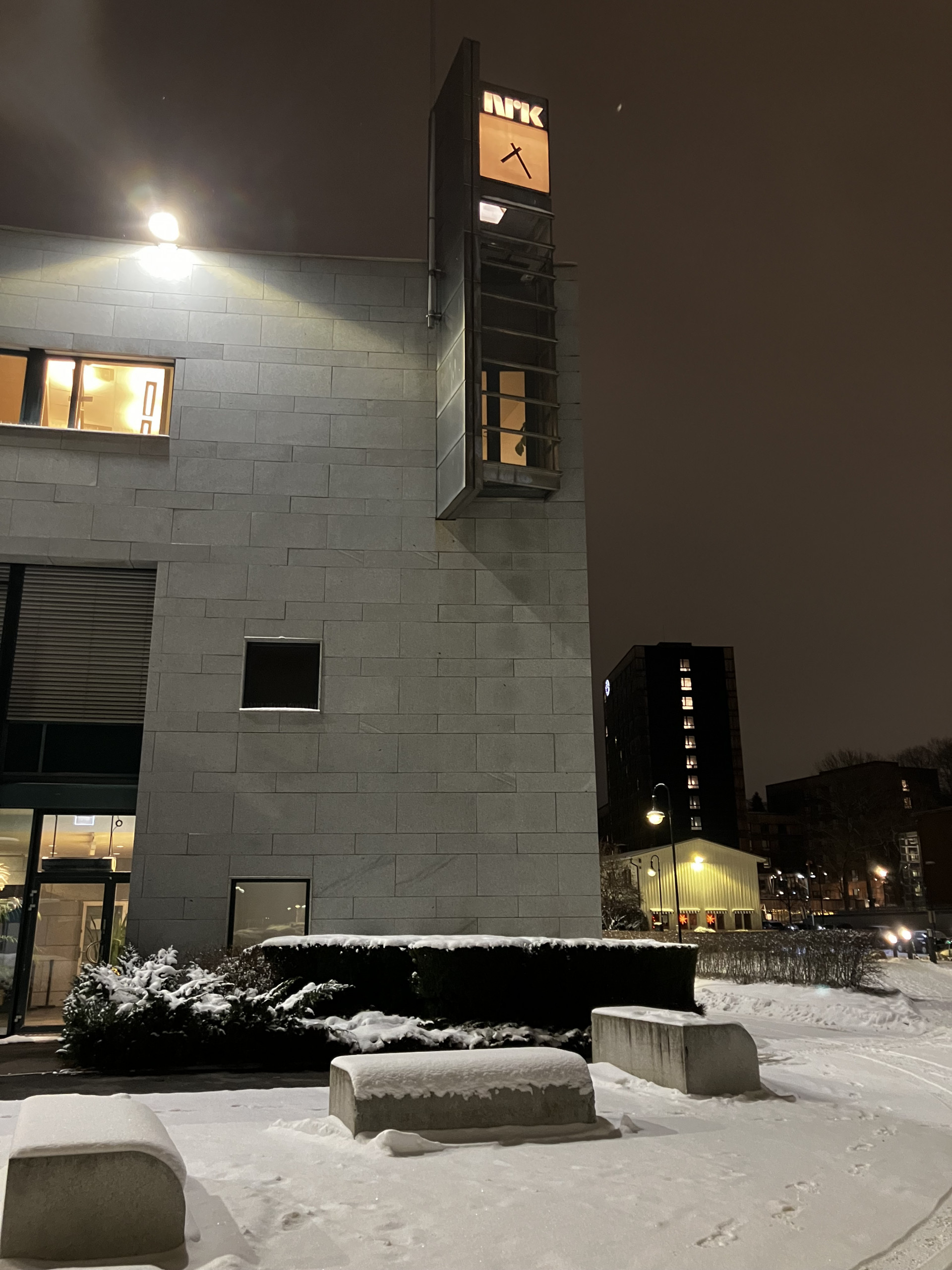
Norwegian news outlets were interested in local perspectives on what was taking place. As a Minnesota resident and Norwegian speaker, I was invited to share my views on the Norwegian news program Nyhetsmorgen. Although an individual perspective was all they were really asking for, I felt the immediate weight of responsibility to represent not just myself, but my community. I quickly conducted an informal poll over social media, asking my friends and family what they would want Norwegians to know.
Their responses helped to fill out a media picture that otherwise emphasized crowds of protesters at locations of heightened tension, such as detention facilities. The Minnesotans I know wanted Norwegians to understand that aggressive tactics were not limited to these places. Instead, daily life everywhere in the Twin Cities was dramatically disrupted. Kids missing school, workers in hiding, businesses closed, armed officers on seemingly ever corner. At the same time, neighborly efforts to protect and assist one another were everywhere, and those taking those actions were focused, organized, and determined–but also far from habitual activists. Most were people with other jobs and roles in the community just looking for any way they could help. They also wanted Norwegians to know that their fear stemmed in part from knowing that with so many agents on the ground, anyone could be caught in a tense situation that it seemed could turn deadly in an instant.
It was difficult to convey all this, to be articulate in what is not my first language and under so much emotional weight. But it also felt good to be able to do something during a time when I felt otherwise helpless.
I received positive feedback on my media appearances for the rest of my time in Norway, sometimes from strangers whom I wrote to regarding my research project, and who answered back that they recognized me from the news. I received more empathy and even one or two hugs–not a way Norwegians usually express themselves to mere acquaintances–and when I did, it made me realize how badly I was in need of this kind of comfort.
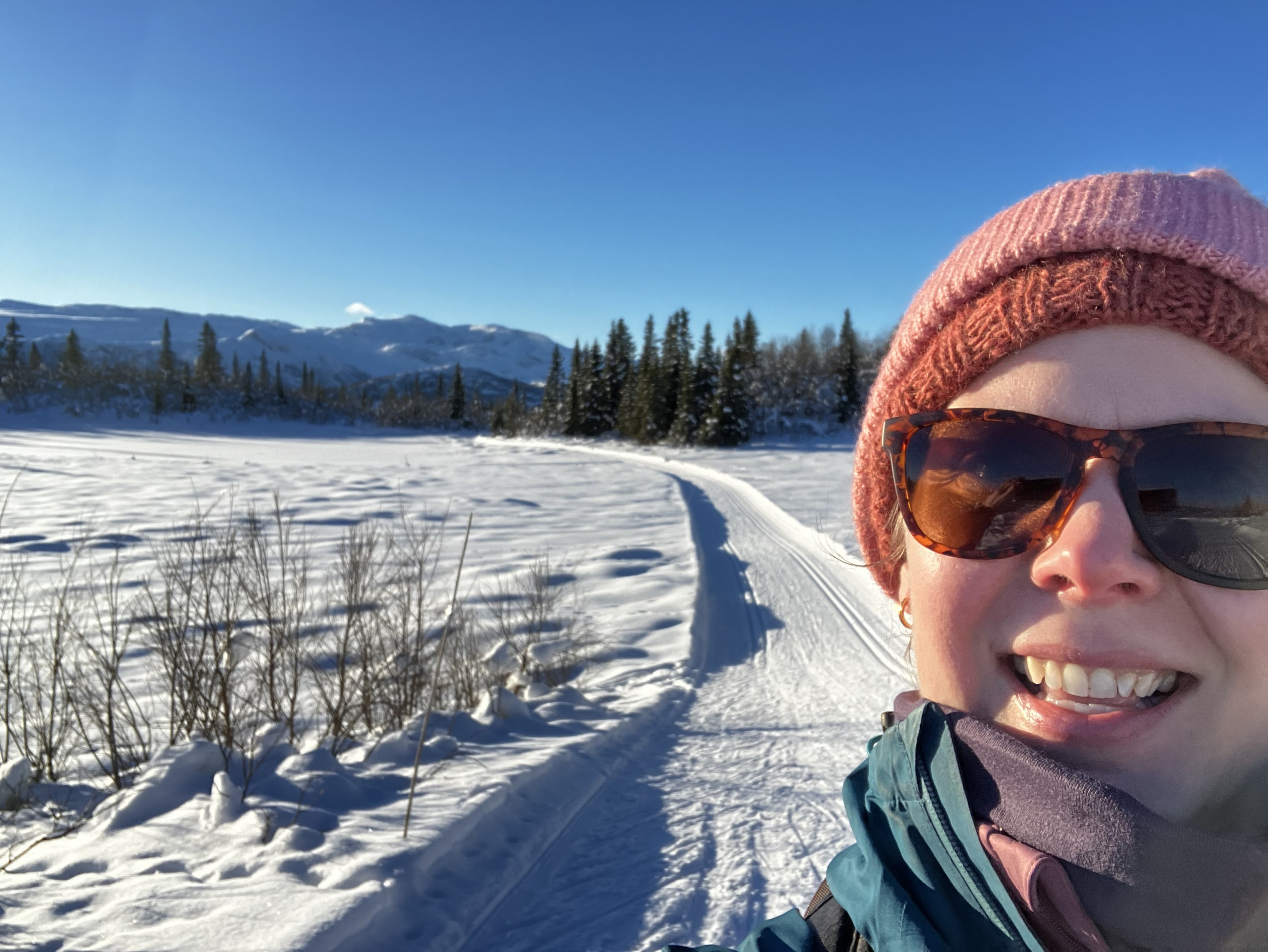
Alongside the bleakness, there were still joyful moments. We had our first visit from friends from the United States, whom we took winter hiking and to a fjord sauna. Annabel was invited by a neighbor to participate in the tradition of smashing the Christmas gingerbread house on January 13. The kids had fun playing a bilingual game of hide-and-seek, comparing the Norwegian and English rhymes that the seeker says to warn the hiders that they are about to be pursued. Annabel also started a pre-pointe ballet class in Lillestrøm, which meant taking a bus for an hour round trip every Wednesday, where I would sit in the Kulturhus and read or do more writing. We both came to enjoy this little weekly excursion.


We did a lot of knitting and crafts and some skating as well, since the school soccer field had been flooded and turned into a skating rink.
February
February was Fulbright reunion month. It is an annual Fulbright tradition for all of the grantees to meet up for a seminar where we present our research and then embark the next day on a skiing retreat in Lillehammer. I had already participated in this tradition during my first stint as a Fulbrighter, so it was fun and nostalgic to get to repeat this experience as a mid-career scholar with my family in tow.
We all appreciated the quick skiing lesson from one of the more athletic Fulbright grantees. This year’s cohort were a lovely group with a diverse set of interests, so it was wonderful to get to spend some long mealtimes with them and explore the skiing trails together. At our orientation, I had provided a list of suggested books and films that might help them understand Norwegian culture better. This ended up inspiring a book club that lasted the entire year (and may extend past it?). Sessions were mostly held online, but the retreat made it possible to meet in person to discuss Per Petterson’s Out Stealing Horses.


We had another opportunity to ski when we were invited by some friends to stay for a weekend at the cabin in Valdres. This was a maximally koselig event, and it gave Ryan the chance to do a longer ski, since he spent the winter training for the annual Birkebeiner ski race.


At the very end of the month, Ryan and I went to see the Swedish pop artist Jens Lekman, who we’ve been fans of since our early days as a couple. We were a little annoyed by the lack of dancing from the Norwegian audience, who were all sitting in chairs, with the exception of a little group standing behind us. Turns out, two of them were our close friends, one of whom is originally from California–go figure! We started moving the chairs aside to make room for dancing when Jens finally told the audience that it was, in fact, okay to dance.