Charles MacQueen Fisher
A Presbyterian Missionary in Japan
Full Biography
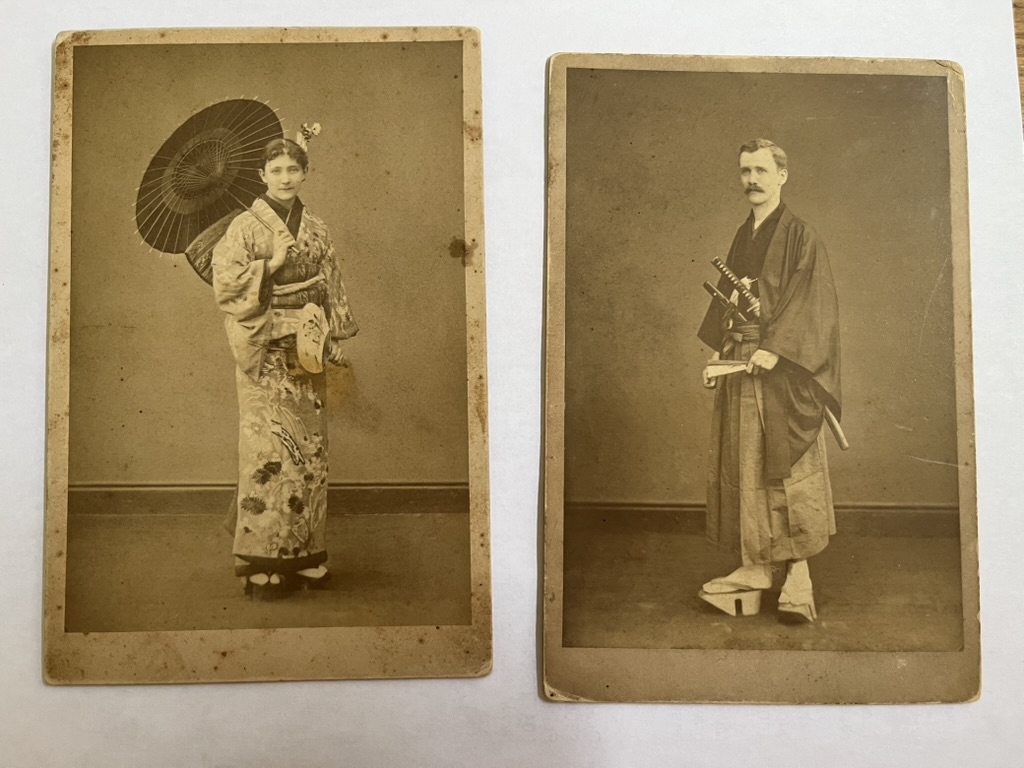
Photograph of Charles McQueen Fisher and his wife Lillian Green, courtesy of Marjorie “Dickie” Anderson, his great-great granddaughter.
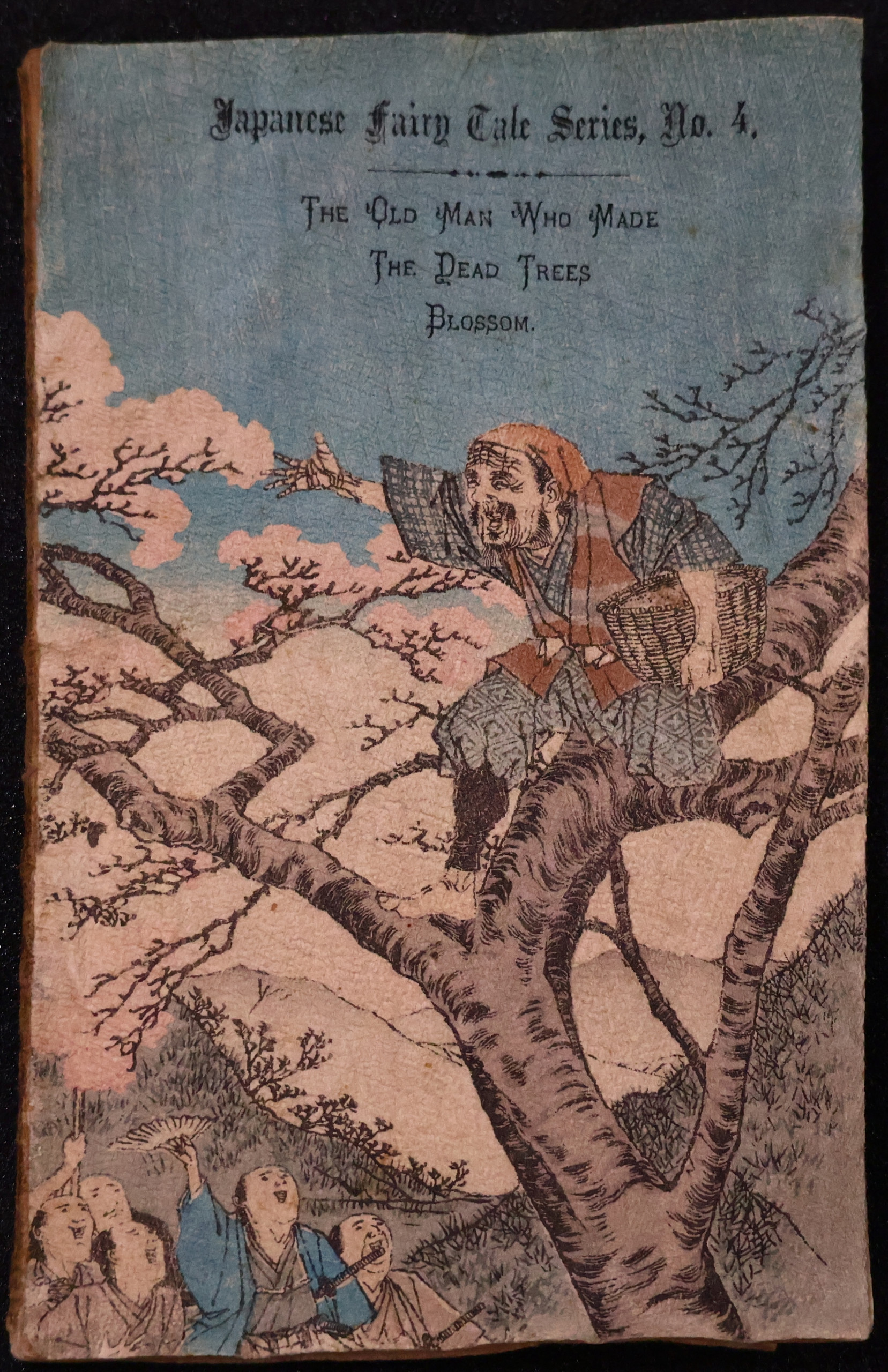
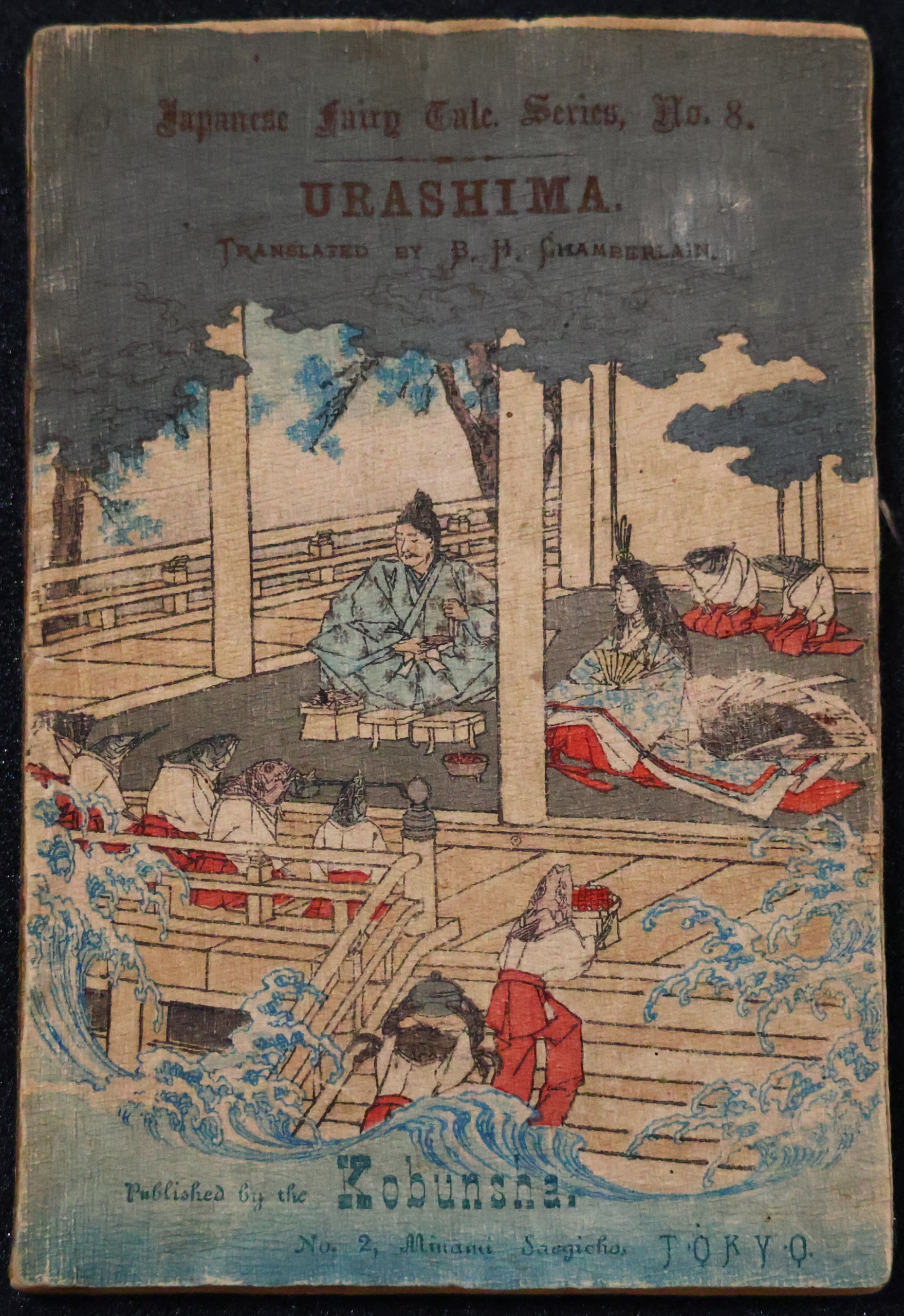
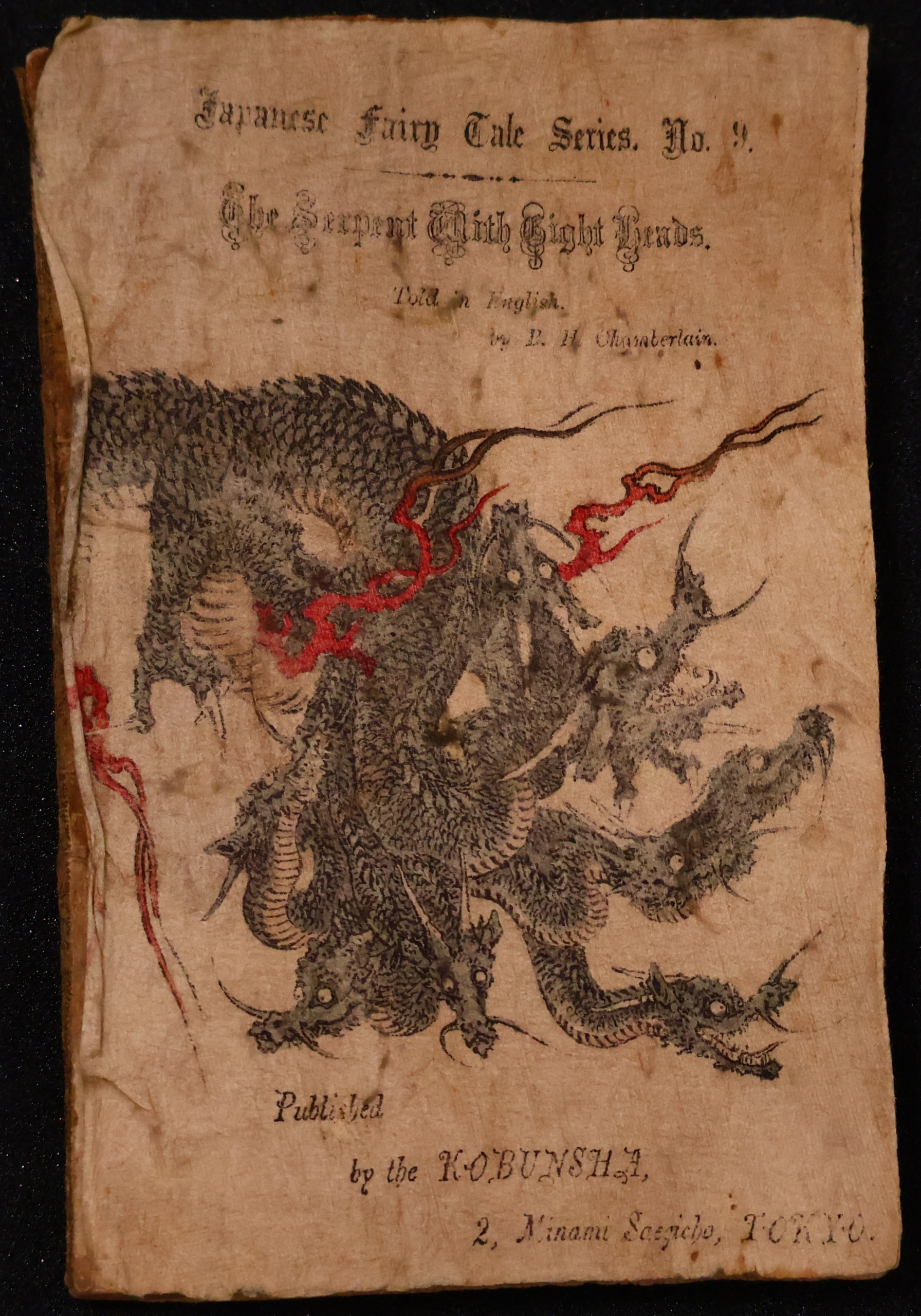
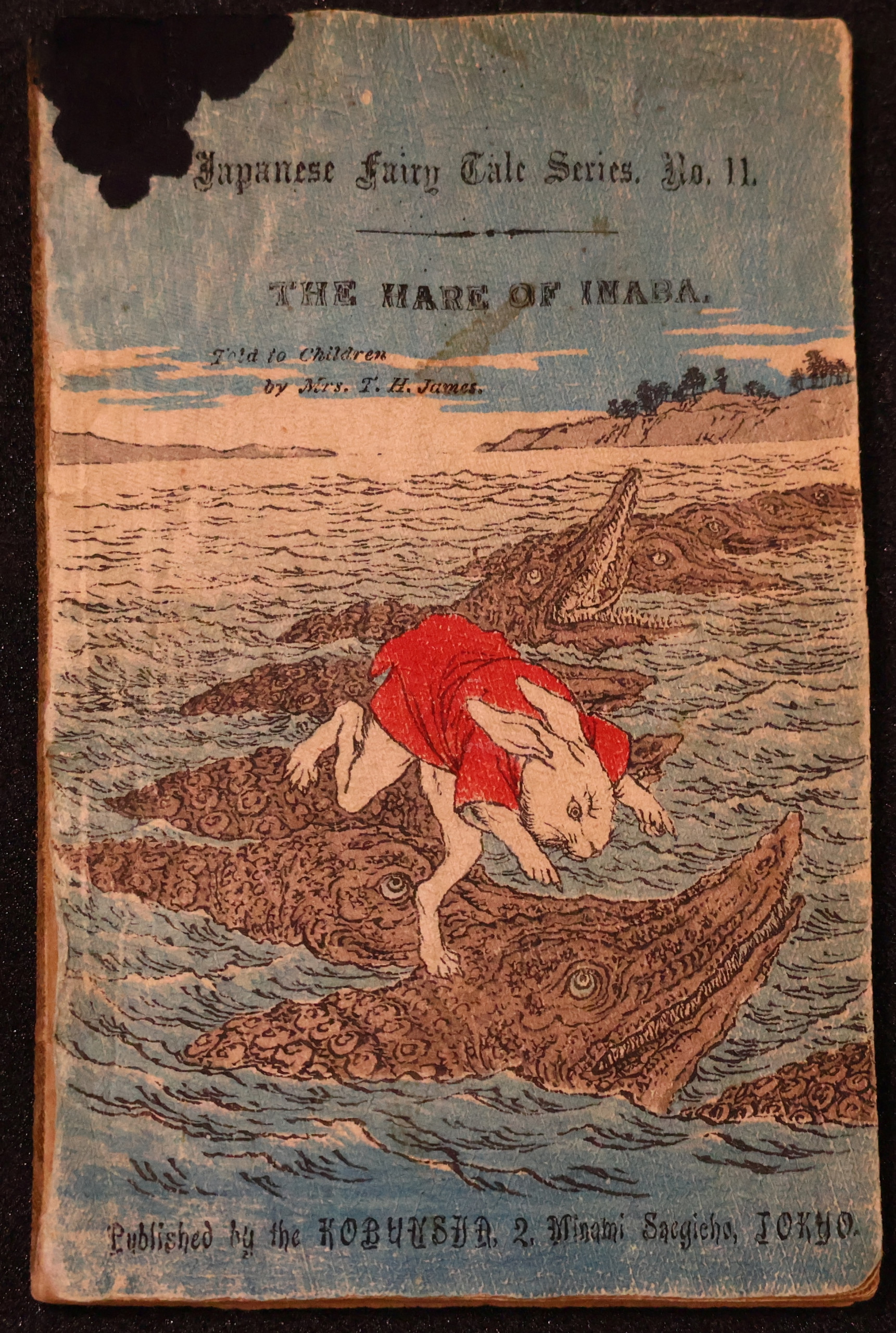
In the fall of 2025, we received email correspondence from Marjorie “Dickie” Anderson, who had uncovered some of Hasegawa’s crepe-paper fairy tale books in her family’s possession. Her great-grandfather, who was the original owner of these four books, was a man by the name of Charles MacQueen Fisher.
Charles MacQueen Fisher was born in 1855, in Peoria, Illinois to a Presbyterian family. Early on in his life, he resolved to work for the ministry. He graduated from Monmouth College in 1879. He attended McCormick Theological Seminary in Chicago, but transferred to Princeton to finish his last year of study. There, he decided he would be a foreign missionary. He was ordained in 1882 at a meeting of Peoria Presbytery in the First Presbyterian Church, and would work as a pastor thereafter.
In 1883, he married Lillian N. Green, and together they moved to Japan as missionaries. They first landed in Tokyo, where they were welcomed by several missionary families, including “the Thompsons”—David Thompson and Mary Calhoun Parke Thompson. By early December, they had moved to Osaka, where they learned Japanese and acquainted themselves with the missionary community there. Then, in 1884, they relocated to Kobe, where Charles MacQueen Fisher not only proselytized to the Japanese, but also offered his services to the English-speaking missionary community. He frequently went on itinerant trips across Japan to help with the establishment of new churches, and was heavily involved in a community of Presbyterian missionaries that spanned Japan, Korea, and China. In the spring of 1886, Fisher had a missionary home built in Osaka, where he and his family lived for the remainder of their time in Japan. Charles MacQueen Fisher additionally oversaw the building of a schoolhouse for Wilmina Girls School (today, Osaka Jogakuin University), where he was President during the last year he was in Japan. The Fishers returned to the United States in 1890, where he would preach at various churches around the country. In 1910 he was awarded the degree of Doctor of Divinity by Monmouth College. He retired in 1918 due to a decline in his health to a house in California where he lived until his passing in 1921.
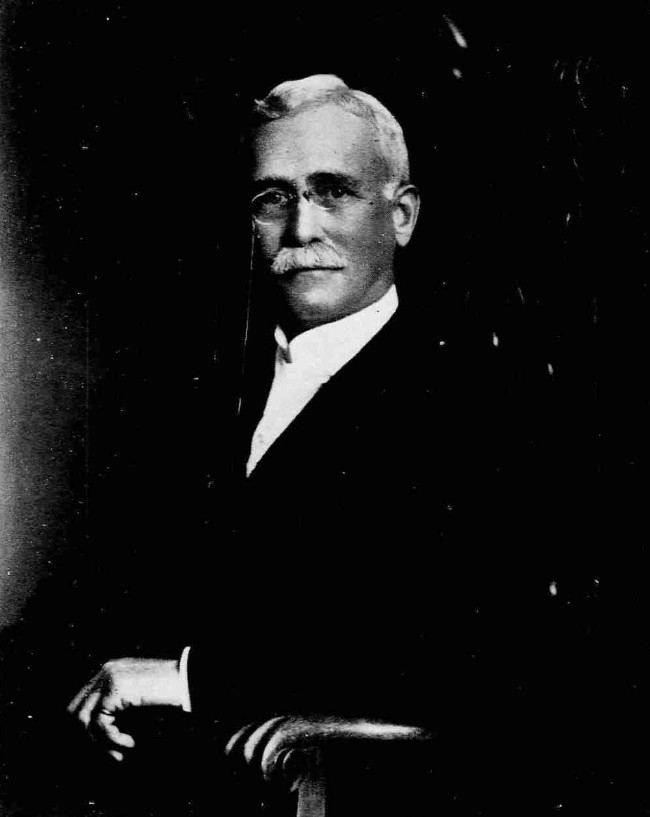
Charles McQueen Fisher. Photograph printed in Lillian Green Fisher, Charles McQueen Fisher: A book of remembrance (1921).
Charles MacQueen Fisher’s life reflects that of many other Presbyterian missionaries who were in Japan during the Meiji era. The missionary community was very close knit, each maintaining connections to numerous other members throughout Japan and abroad. As such, David Thompson, who was one of the first Presbyterian missionaries in Japan, played a prominent role in welcoming many newcomers to the country. Being one of Hasegawa’s translators, it is likely that Thompson introduced Fisher to Hasegawa’s crepe-paper fairy tales. Whether Fisher purchased these books or received them as a gift is unknown, but years later, they were passed down in the family to Dickie Anderson and her sister. They allow us to engage with a living history that helps us to explore connections between the publishing industry and the missionary community that Hasegawa found himself surrounded by in Tokyo in the 1880s. While these historical figures and objects may seem disconnected to the present, their lives and paths are not as foreign as we may expect.
Today, all four of Charles MacQueen Fisher’s books are at home in the St. Olaf Special Collections where any student or scholar can read or examine them. They are early editions of Hasegawa’s work and they can be compared with some of our later editions to see how crepe-paper books changed over time. We are very grateful to the Anderson family for this chance to learn more about Charles MacQueen Fisher and how these four books came into his possession