Lived Experiences in Displaced Persons Camps
After fleeing both German and Soviet occupations, thousands of Displaced Persons (DPs) from the Baltics found themselves in camps across western Germany even before the war in Europe had ended. Men, women, and children were uprooted and forced to assimilate into a completely new social system within the camps amid the rubble of wartime. The tremendous challenges these Displaced Persons faced necessitated the aid of the United Nations and non-governmental aid organizations, including the Lutheran World Federation, to make life in the camps sustainable and allow refugees to imagine a new life after occupation, war, and displacement from their homelands.
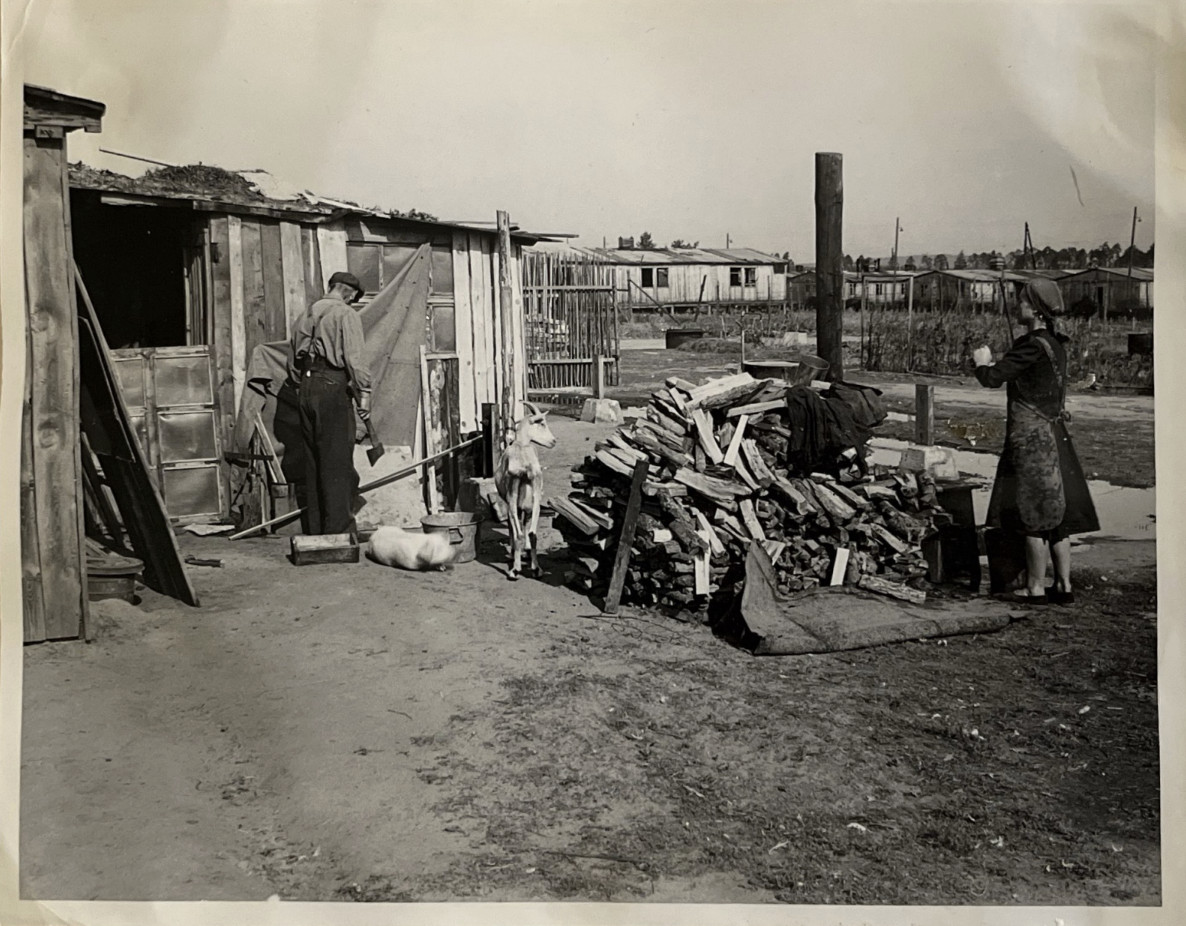
Living conditions in the DP camps were often harsh and desolate. A Lutheran World Federation report described the camp structure as “artificial,”1 breeding unstable social conditions. Torn from their previous lives but not yet able to pursue a new future, Displaced Persons had to exist in a kind of limbo. The “deadening routine of camp life”2 created a culture of despair amongst DPs.
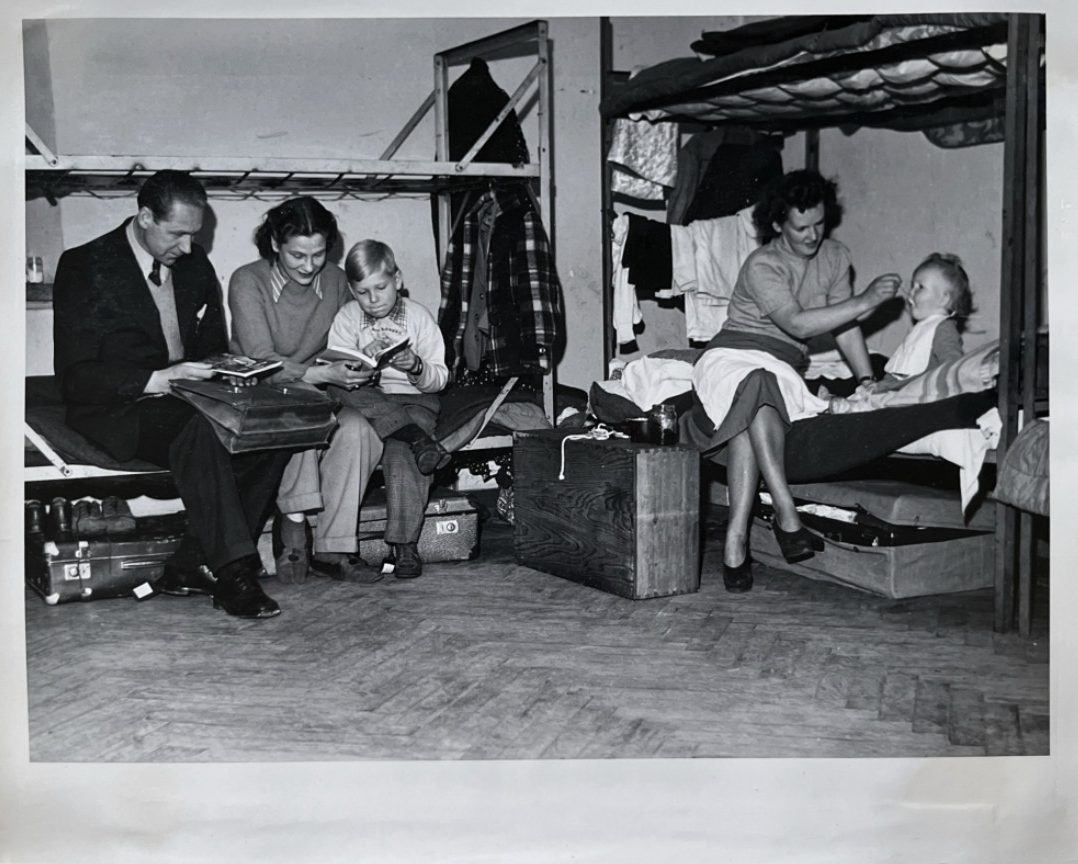
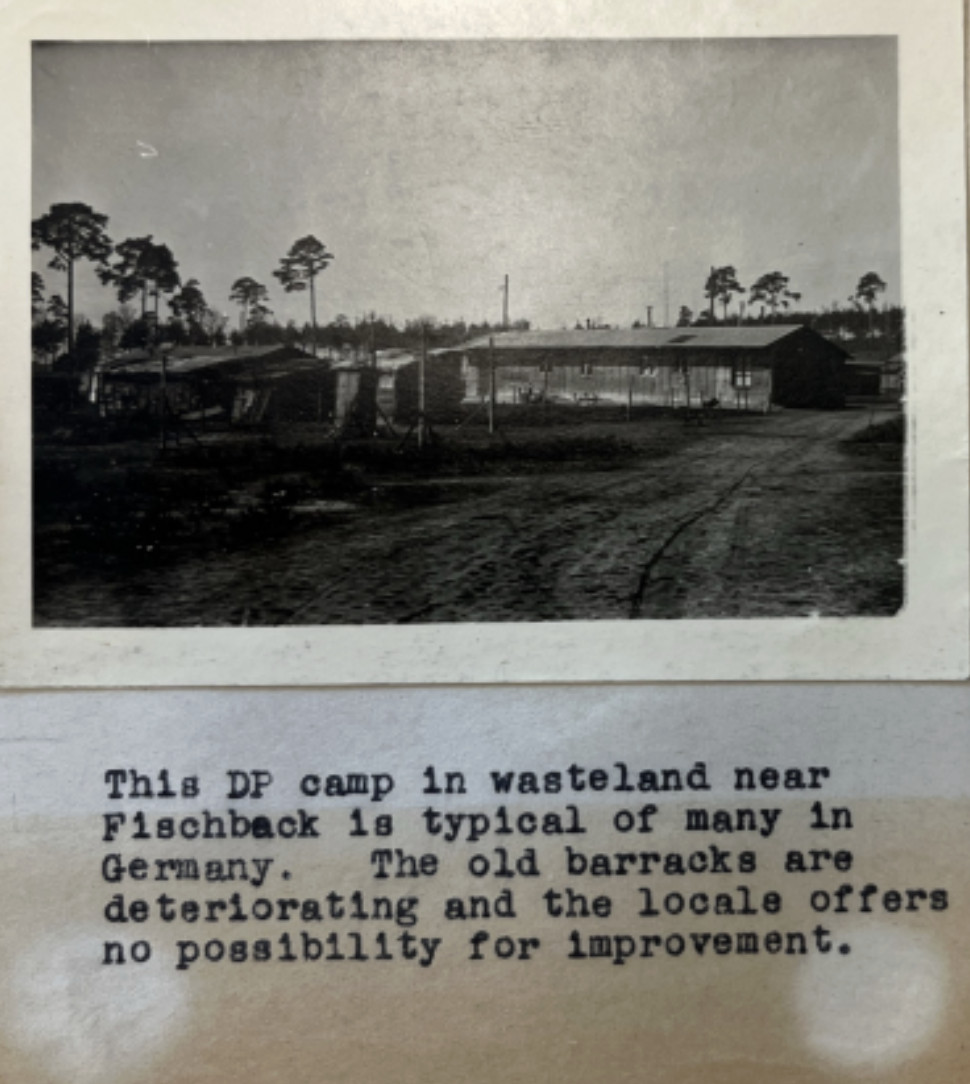
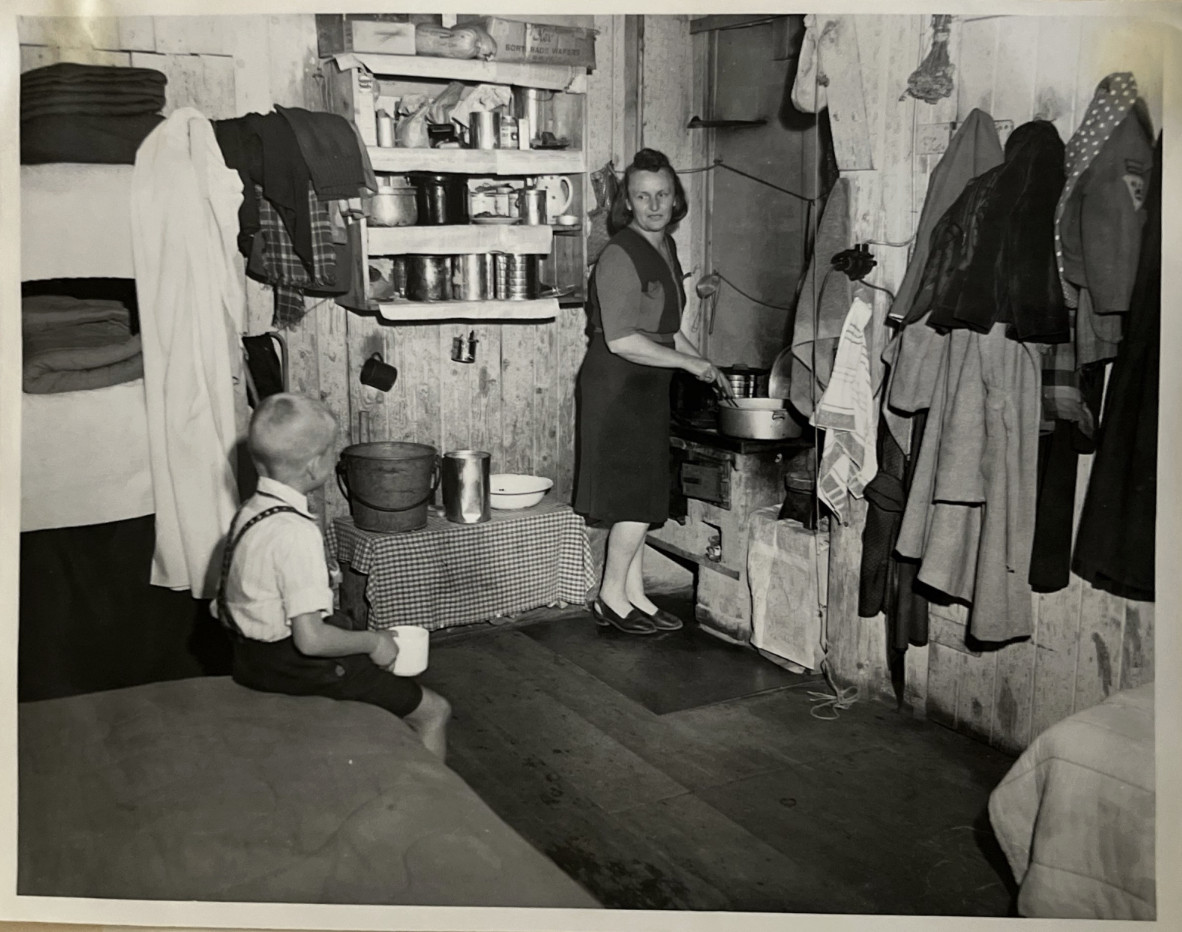
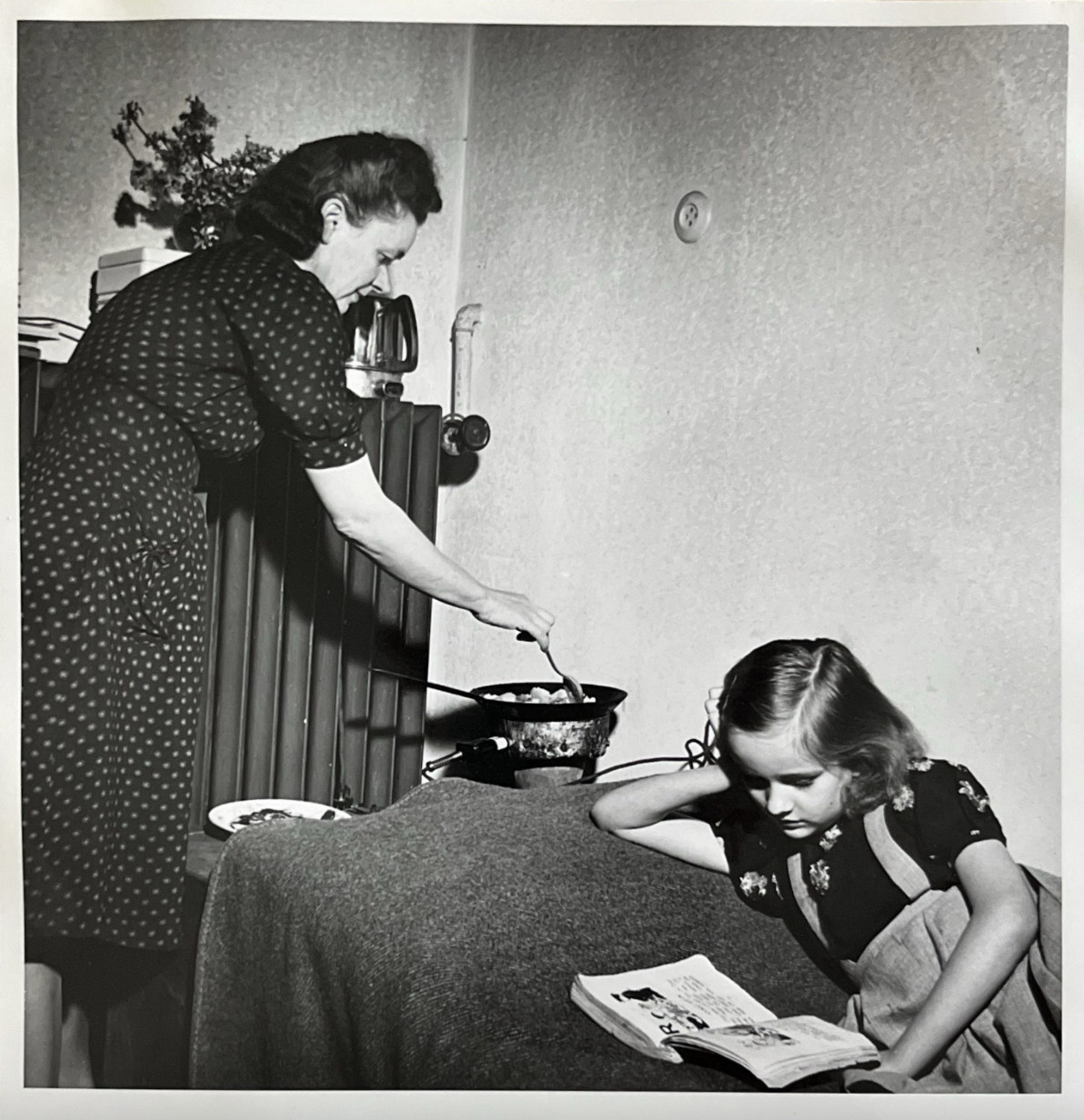
Beyond the social and cultural elements of camp life, the physical realities were not conducive to well-being. The camps often housed DPs in disused army barracks. These barracks often lacked proper heating and sanitation as they were not built for long-term use, yet some DPs remained in camps for four or more years.3 It was extremely common for multiple families to be housed in one room with very little privacy.4 Due to these close living quarters, communicable disease posed a large threat. Rickets, dysentery, tuberculosis, diphtheria, typhus, typhoid fever, small-pox, syphilis, and scabies were common amongst DPs.5
Despite the harsh conditions, Displaced Persons did their best to create a community within the camps and retain facets of their old lives. The Lutheran World Federation Service to Refugees was instrumental not only in providing material resources to DPs but also in enriching their spiritual and social lives amid such devastation.
Living Conditions
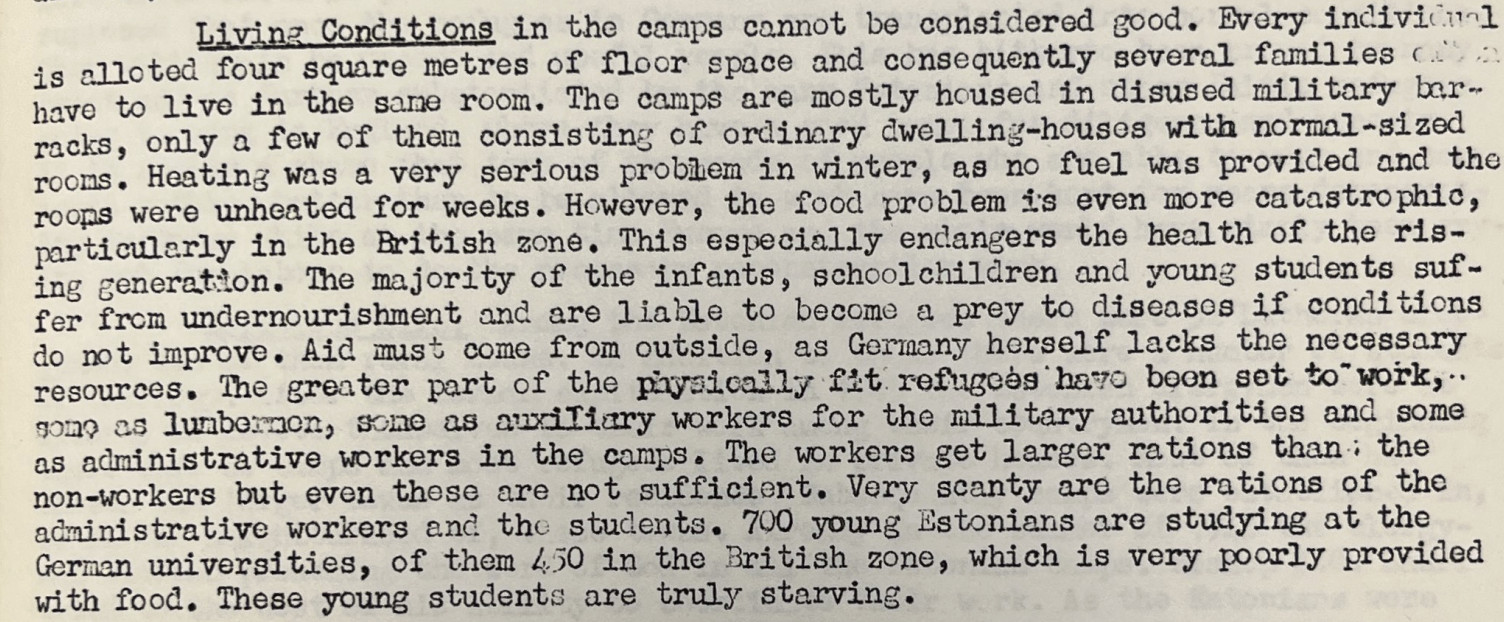
"Living Conditions"
This text excerpt comes from Howard Hong's Report of LWF-SR activities, 1947-1949, in which he recounts the living conditions in the Displaced Persons camps.
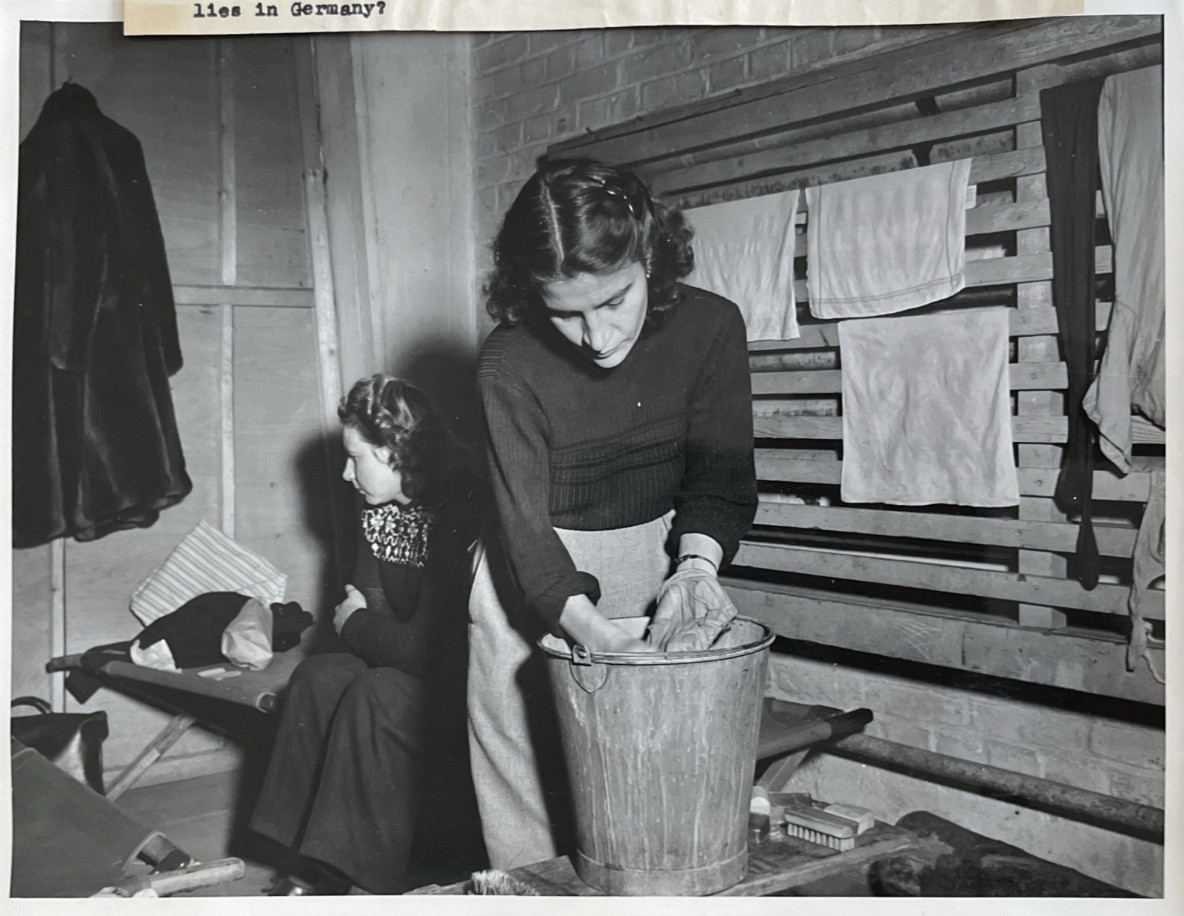
Examples of DP Life
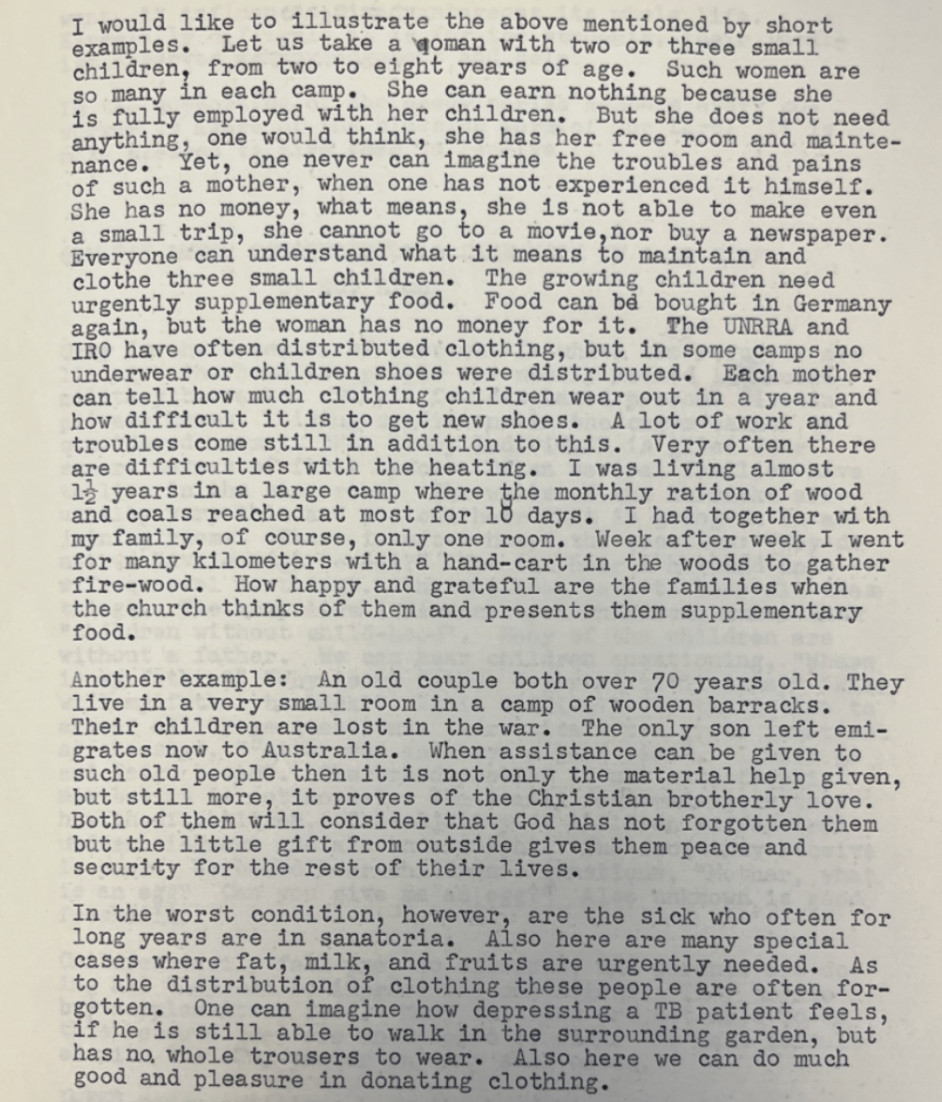
This text excerpt comes from Howard Hong's LWF-SR Report, in which he describes specific struggles of Displaced Persons and what needs the Lutheran World Federation could help to fulfill.
A Lutheran World Federation Service to Refugees report described the Displaced Persons camps as a
"society built on utter despair"6
Food and Clothing
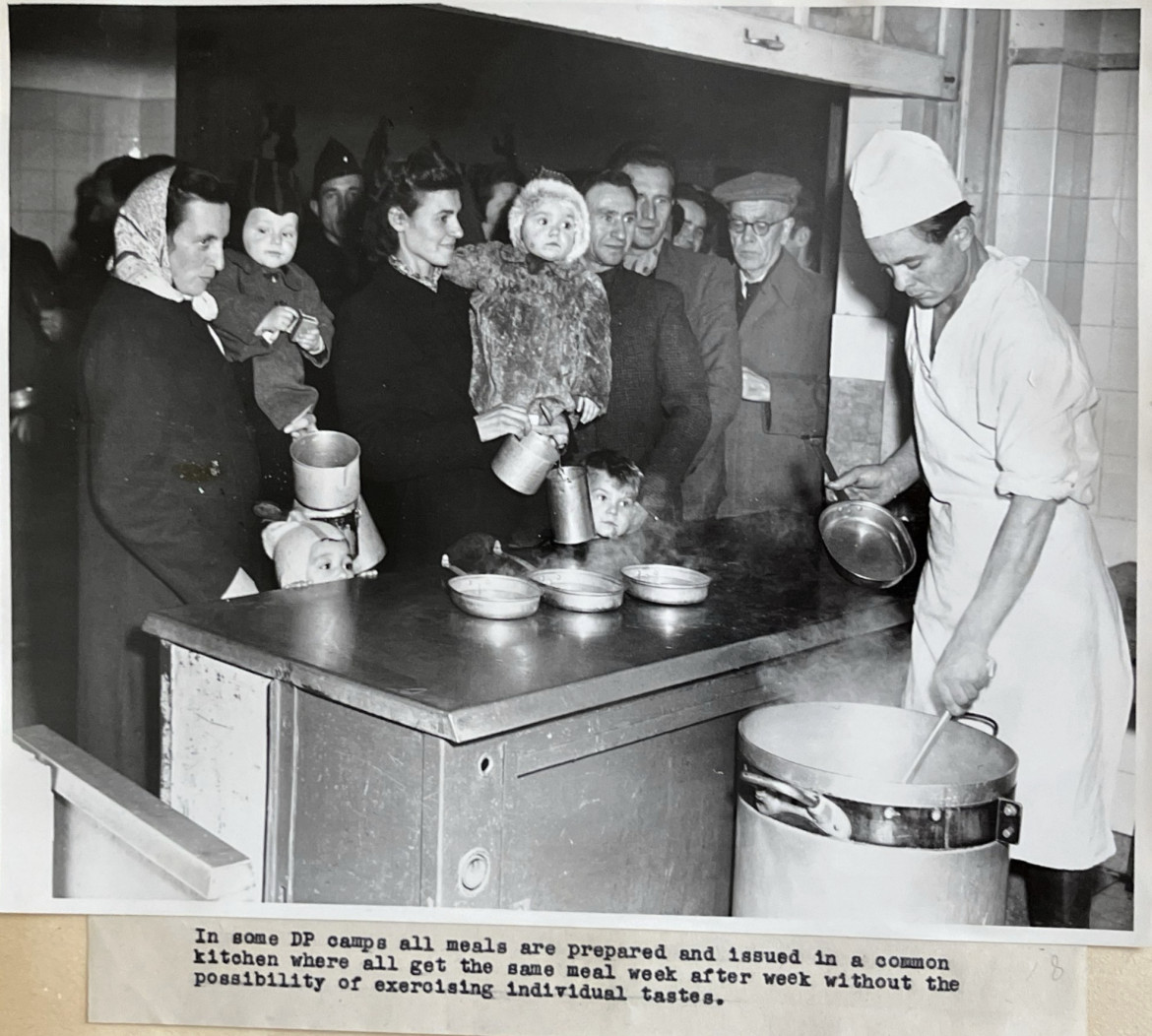
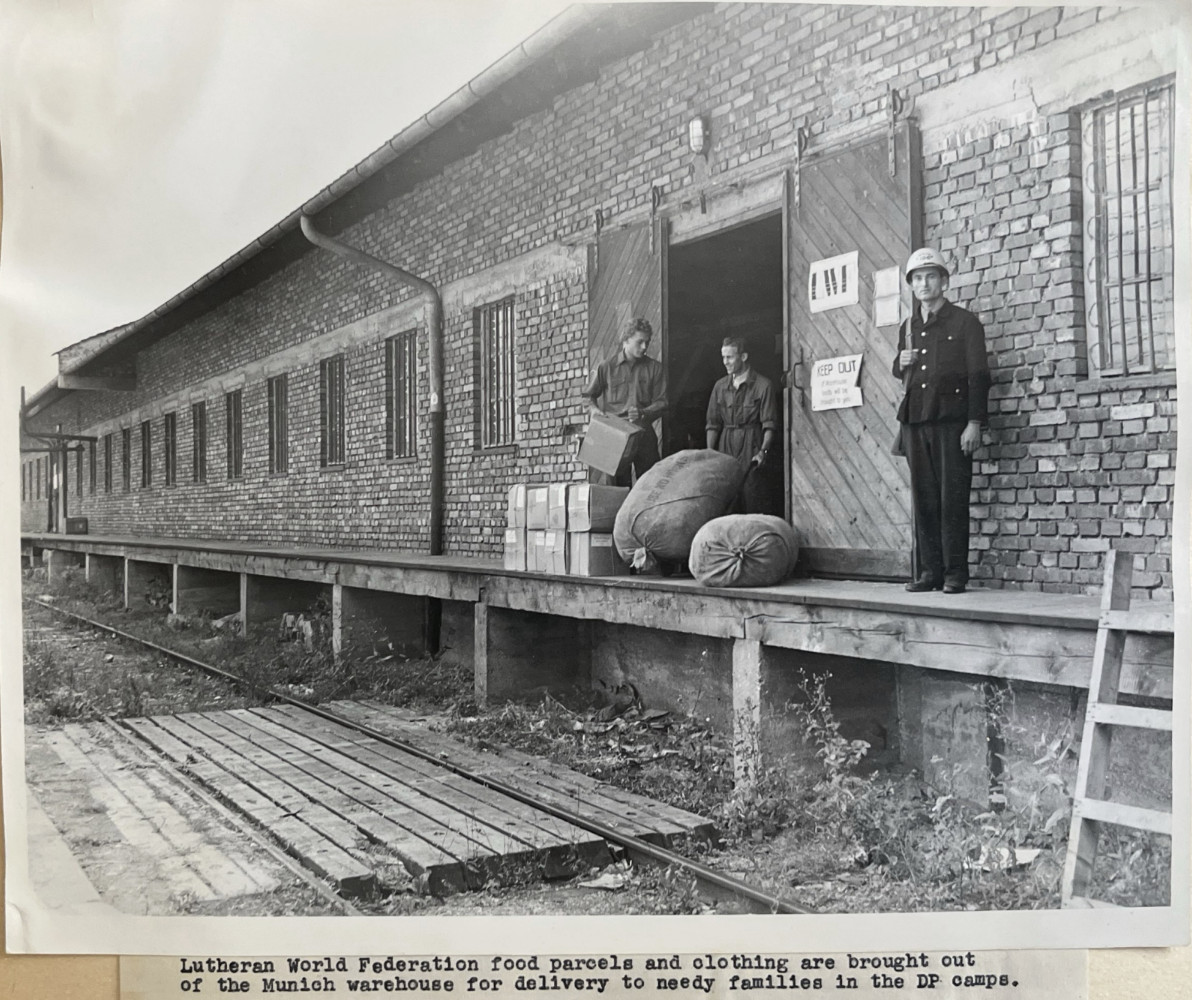
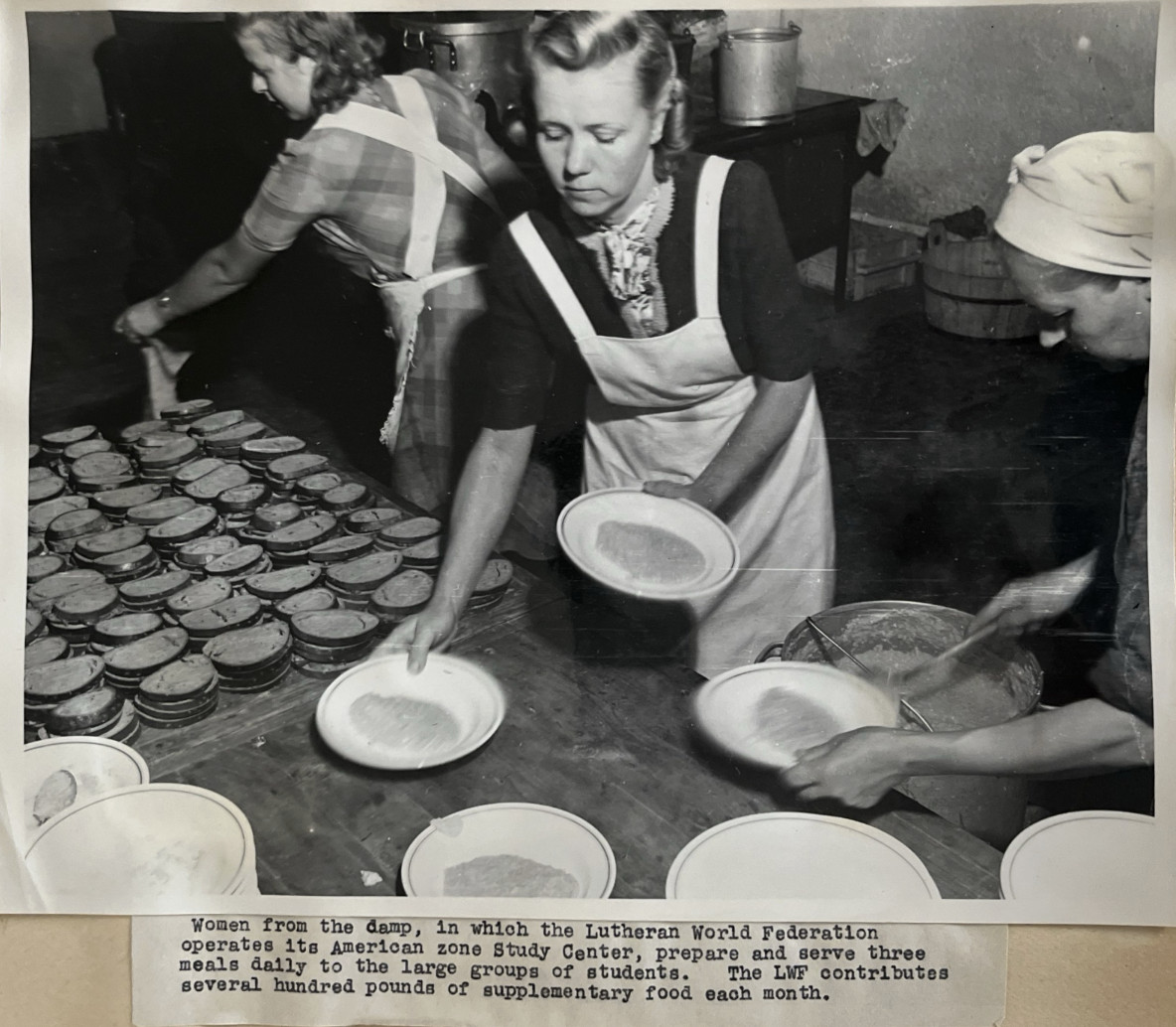
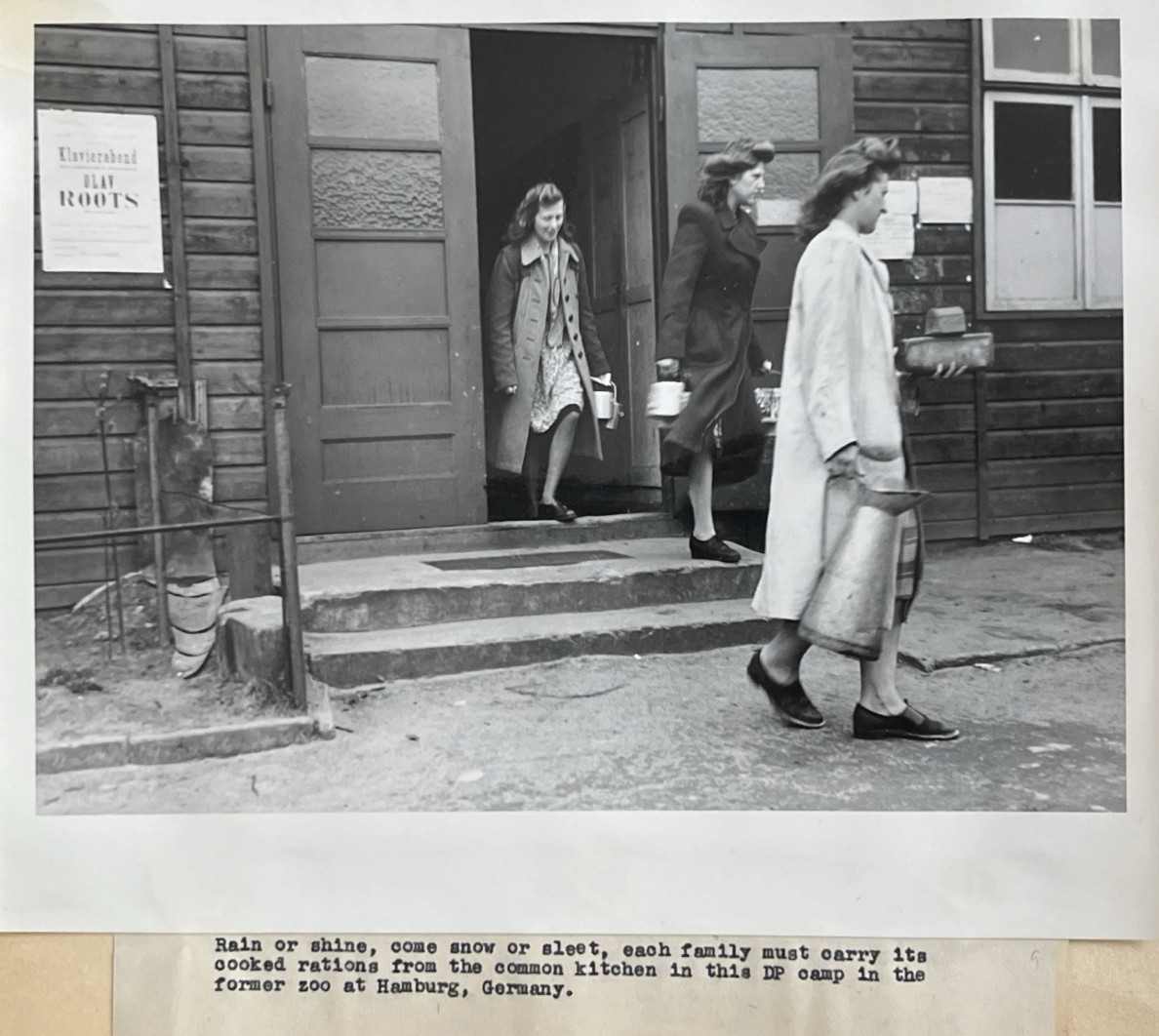
Food scarcity was a prominent issue in the camps. Rations provided by the United Nations Relief and Rehabilitation Administration (UNRRA) were scant, and many children suffered from malnourishment, which exacerbated the risk of disease, especially tuberculosis. A LWF-SR report even described a group of Estonian university students as “truly starving.”7
The food was also extremely monotonous. The same rations would be repeated for months on end. Although the meals were repetitive, the LWF-SR provided much-needed supplemental food supplies to the camps to improve nutrition.
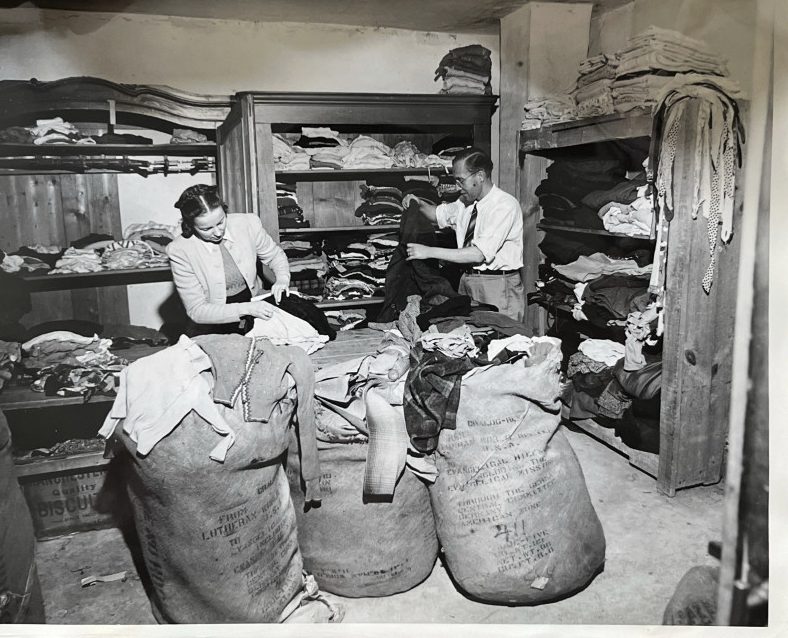
Clothing was also an area of need. Displaced Persons left nearly everything behind when fleeing their homes, so in the camps, it was not uncommon to see civilians wearing old military uniforms or clothing patched with paper. The LWF worked with Lutheran churches abroad, in coordination with Lutheran World Action, to provide donated clothing and linens to DPs.
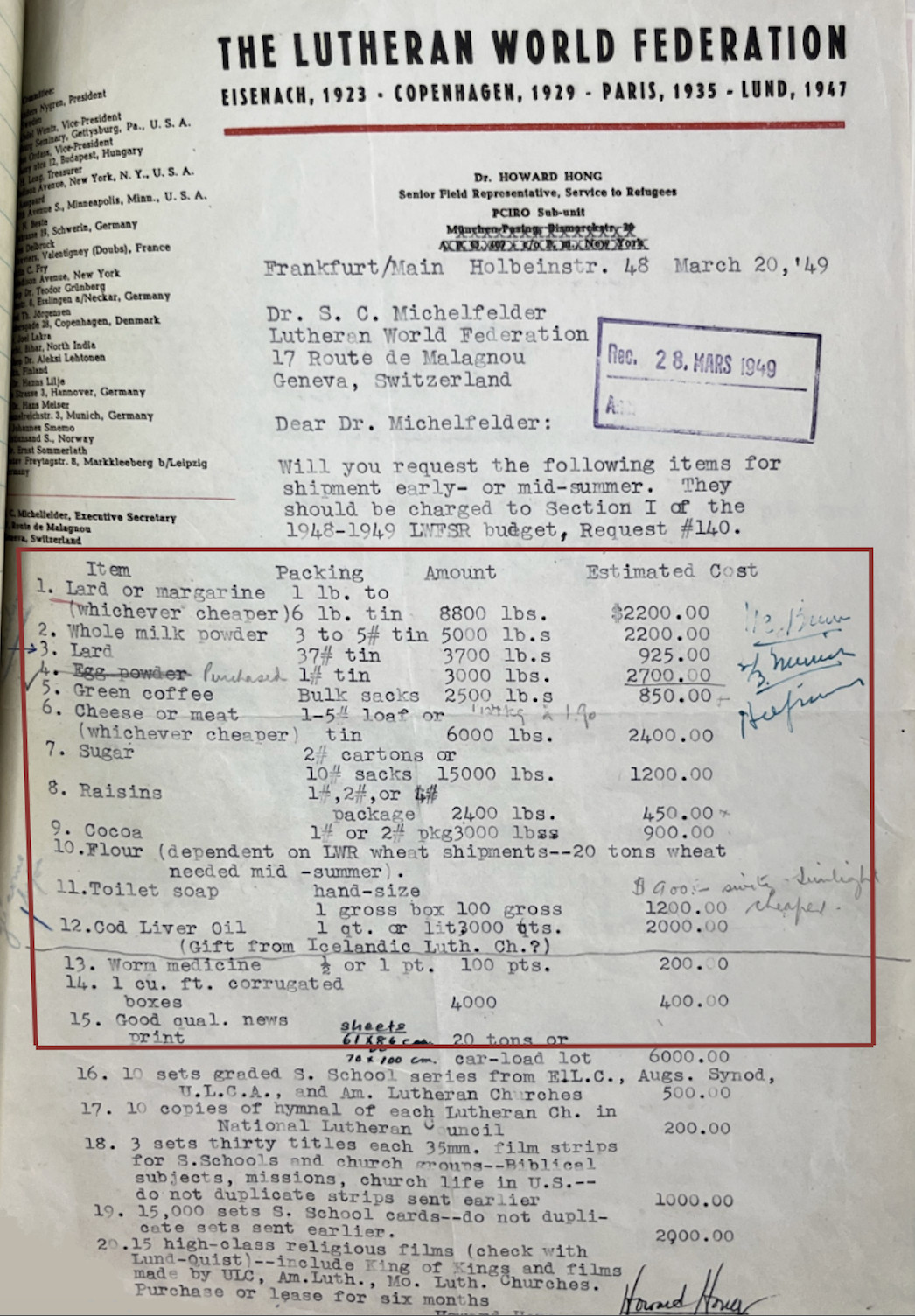
Food Order Form
A Lutheran World Federation order form prepared by Howard Hong lists food supplies provided to DP camps. Items include lard, whole milk powder, cheese, meat, sugar, etc.
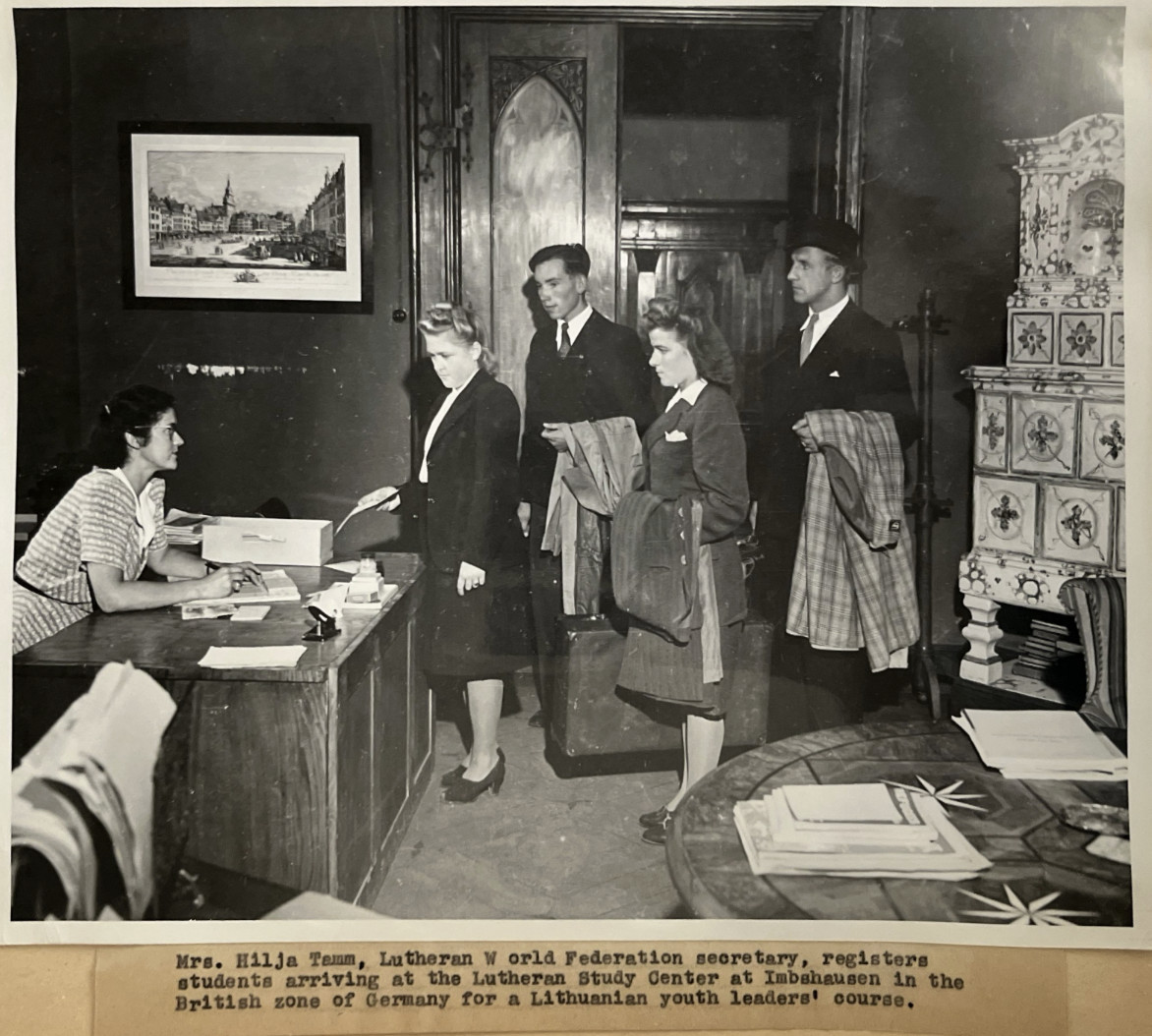
“I arrived at Imbshausen with a soul like an empty vessel. There were no valuables left in it either for me or for other people. Each day I spent at Imbshausen helped me to refill this vessel with inestimable precious things.”
Personal Account from a Displaced Person who attended a course at the Imbshausen Lutheran Study Center in the British Zone8
Youth and Education
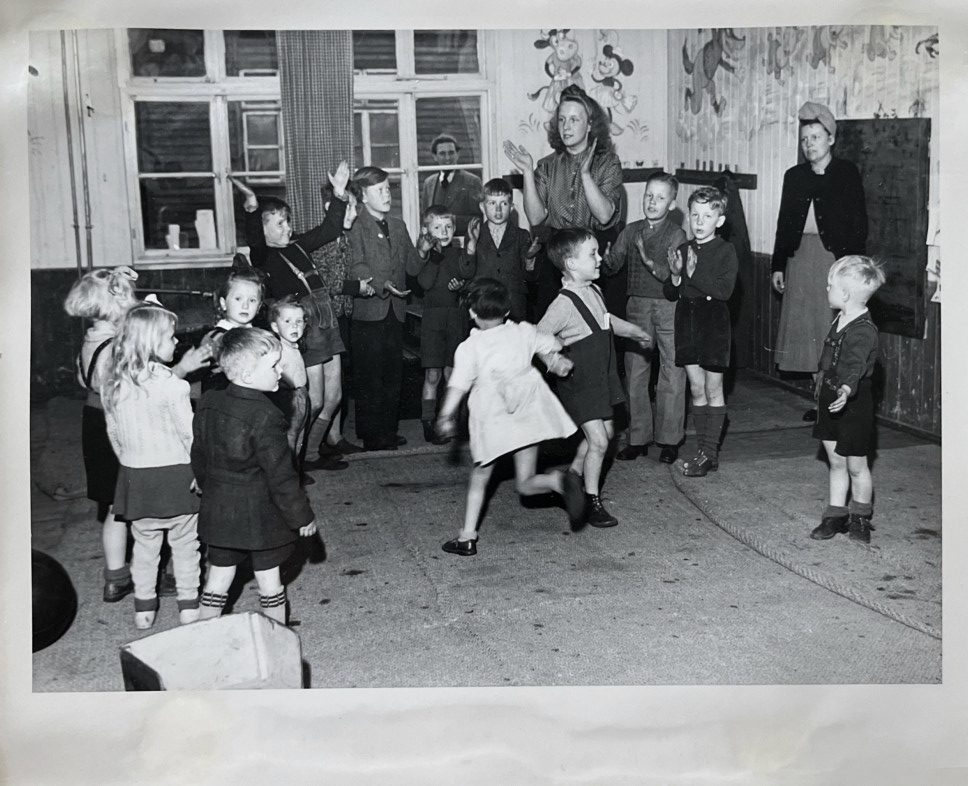
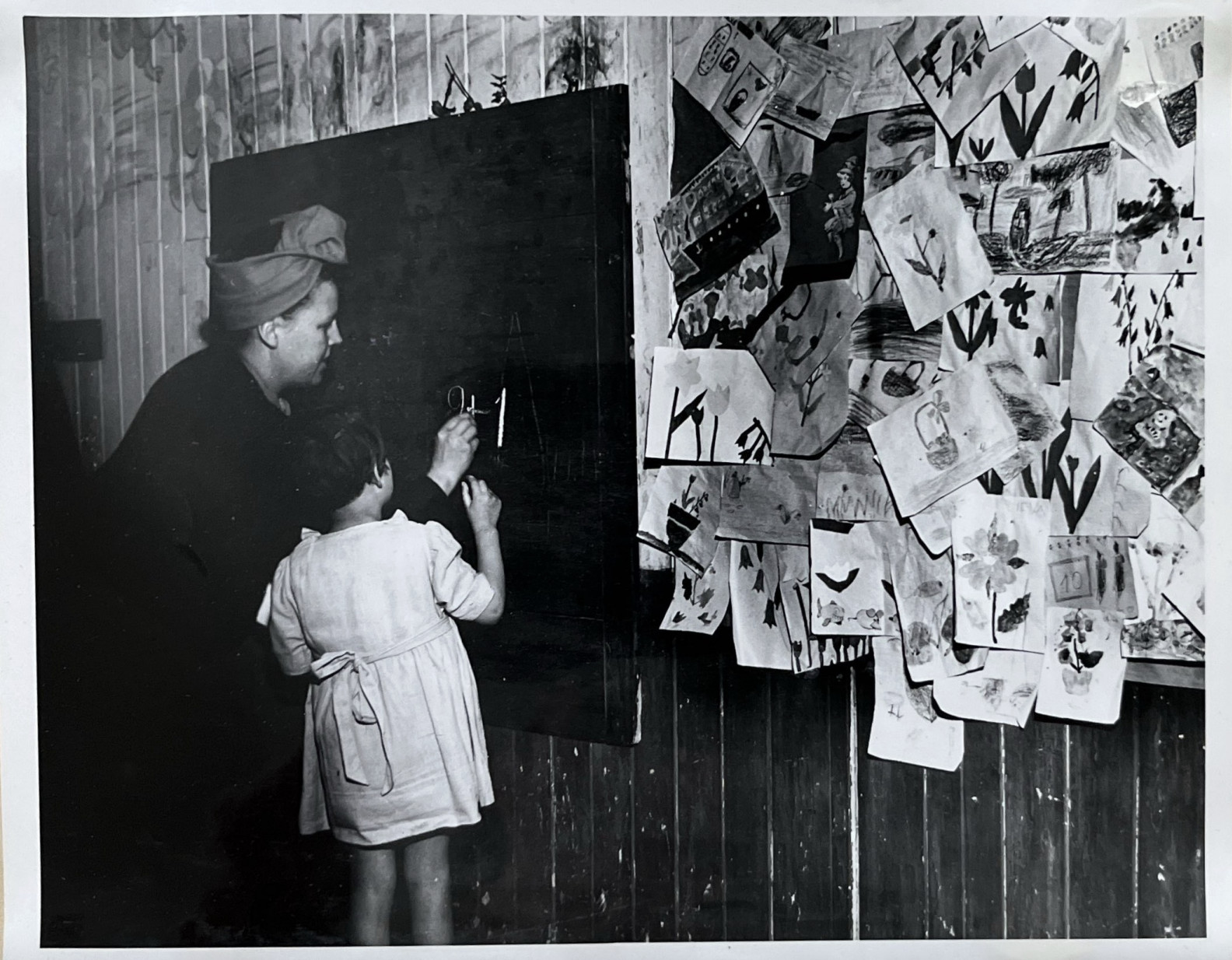
The LWF-SR created Study Centers, Sunday schools, and other programs for youth in the DP camps. Study Centers and youth services provided a vibrant spark in the often dismal routine of camp life. By 1949 one thousand students had registered to take part in courses at the LWF-SR Study Center in Berchtesgaden (American Zone).9
Sunday school was also a large part of camp life. Sunday school provided a space for children to attend Bible study, lectures and discussion, and social entertainments.10 The LWF-SR paid special attention to providing religious services for children to create structure and meaning within camp life for them.
The LWF-SR also supported basic and advanced education needs. While not directly in charge of the schools, the LWF aided the elementary schools, high schools, and scouting organizations that were established in the camps, typically based on national language. Yet, challenges persisted. Children had to attend school in shifts due to the high volume of children and the lack of teachers. Children were also still grappling with the trauma of the war, which impacted their behavior and ability to return to everyday life.
Additionally, the LWF cooperated in the establishments of two temporary universities were created for displaced scholars: the Baltic University (Hamburg) and UNRRA University (Munich).11 Displaced youth who had begun their university studies in their home countries were also able to continue their degree progress at German universities.
In these ways, children and youth could begin or continue their educations. Meanwhile, the establishment of LWF Study Centers and youth services such as Sunday schools were integral parts of enlivening the culture of the camps, sustaining spiritual life, and creating a sense of normalcy for Displaced Persons. To learn more visit our Support Programs Page
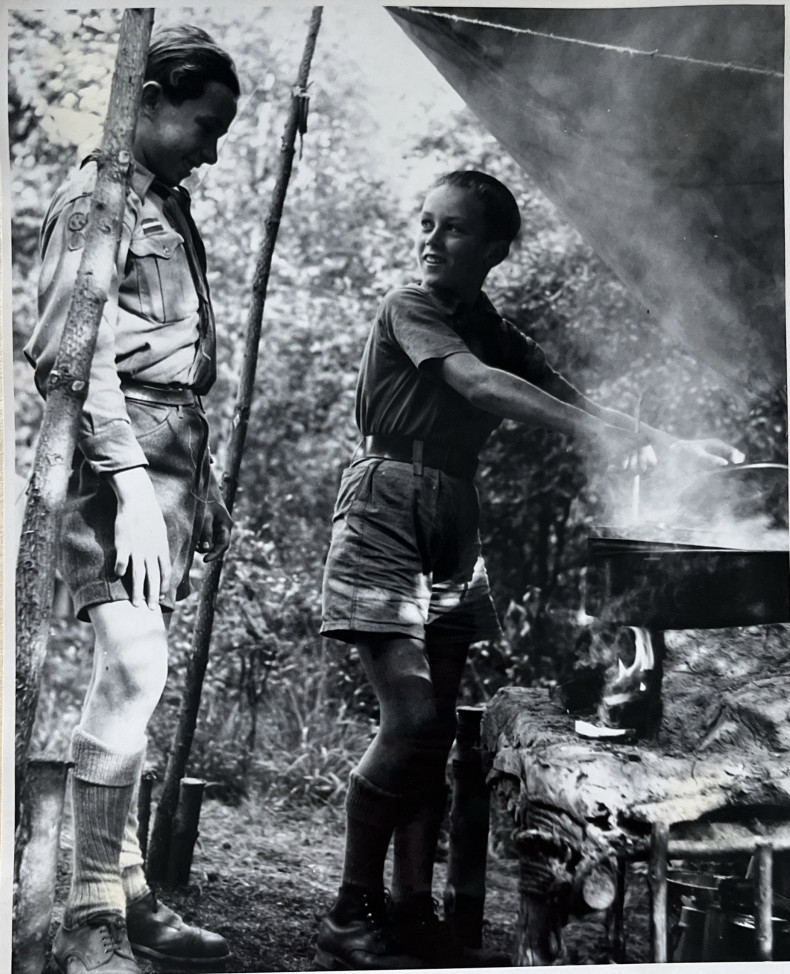
Boy Scouting
Boy Scout programs continued in the DP camps as a "helpful and healthful element in the lives of boys in exile."
Occupations and Hope for Resettlement
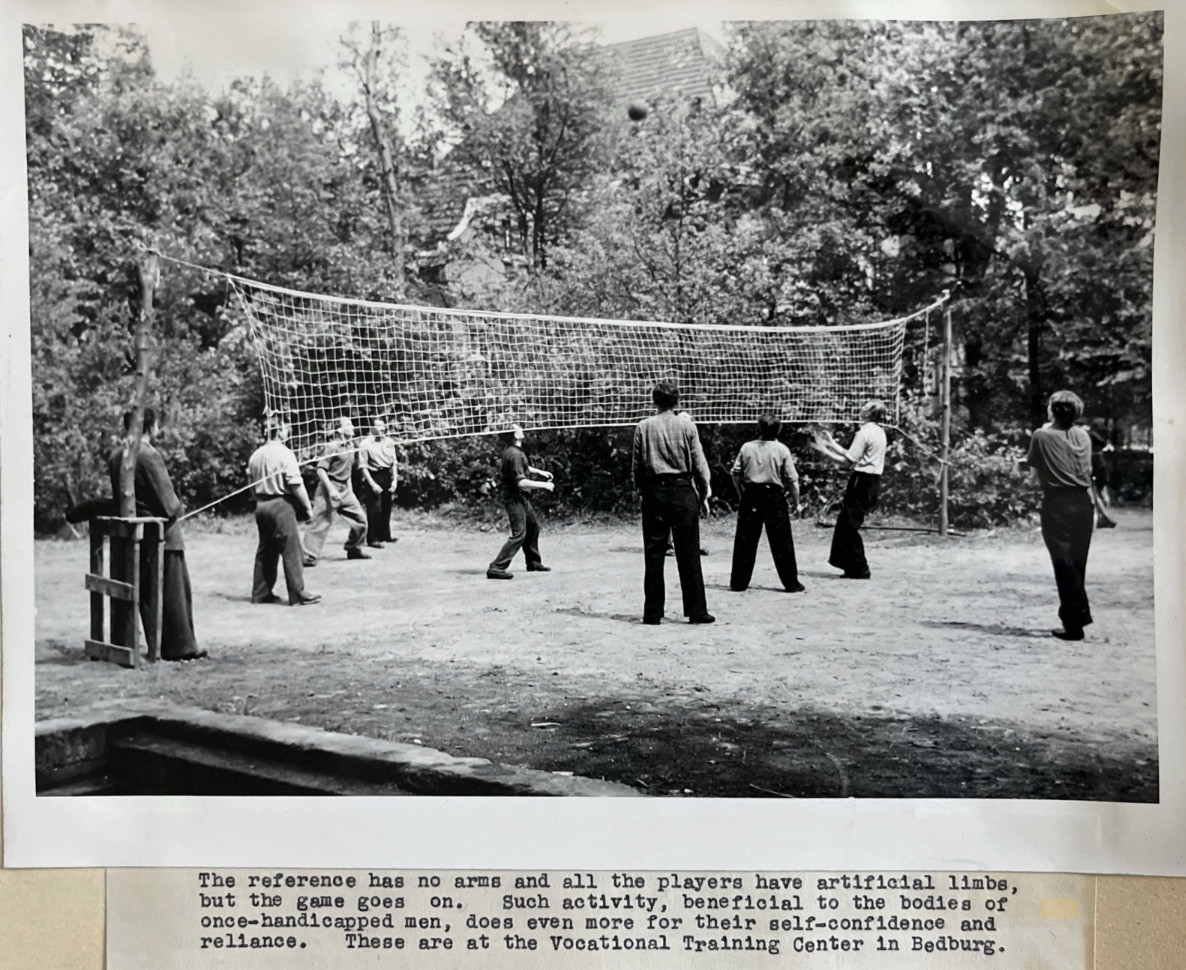
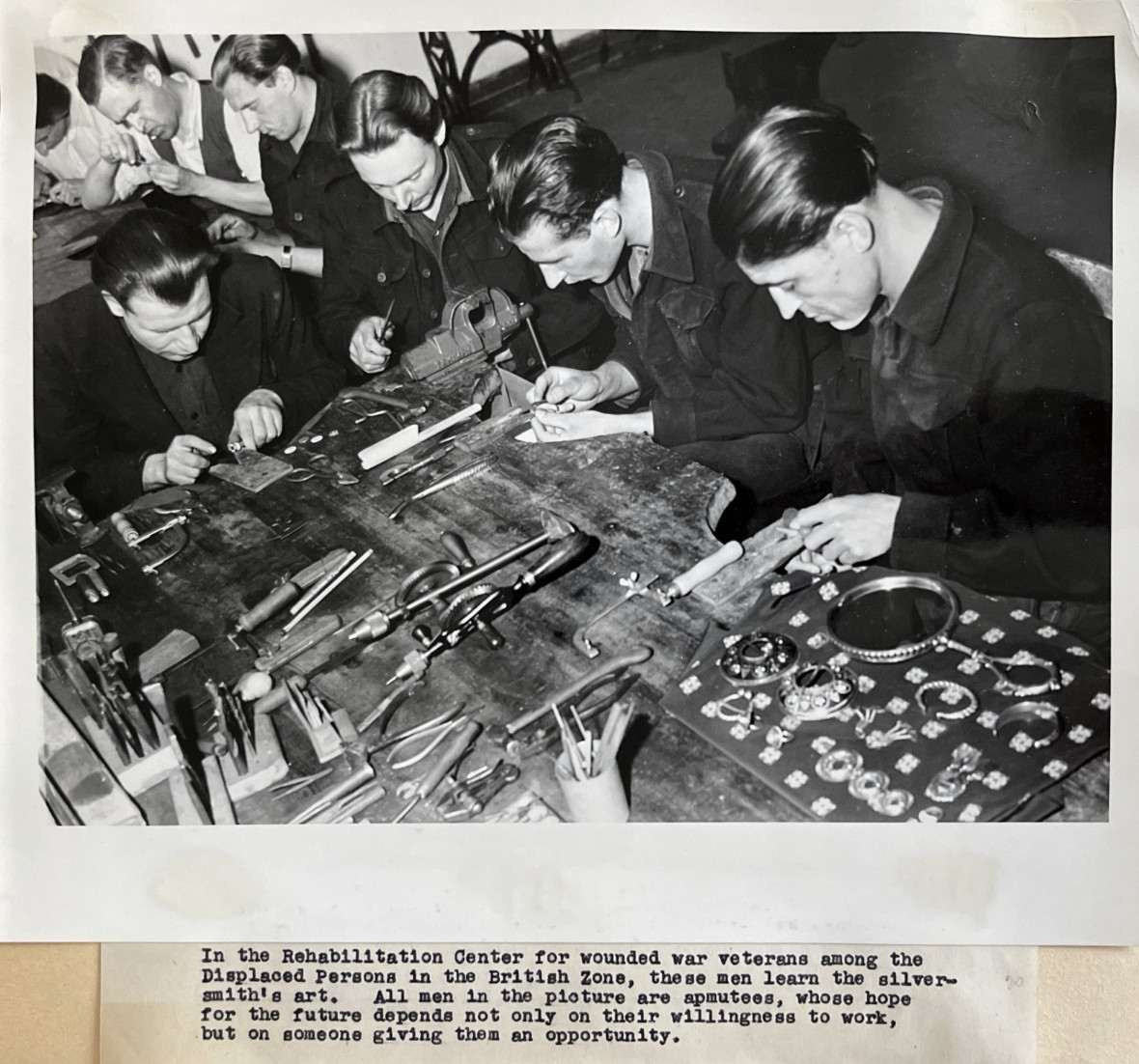
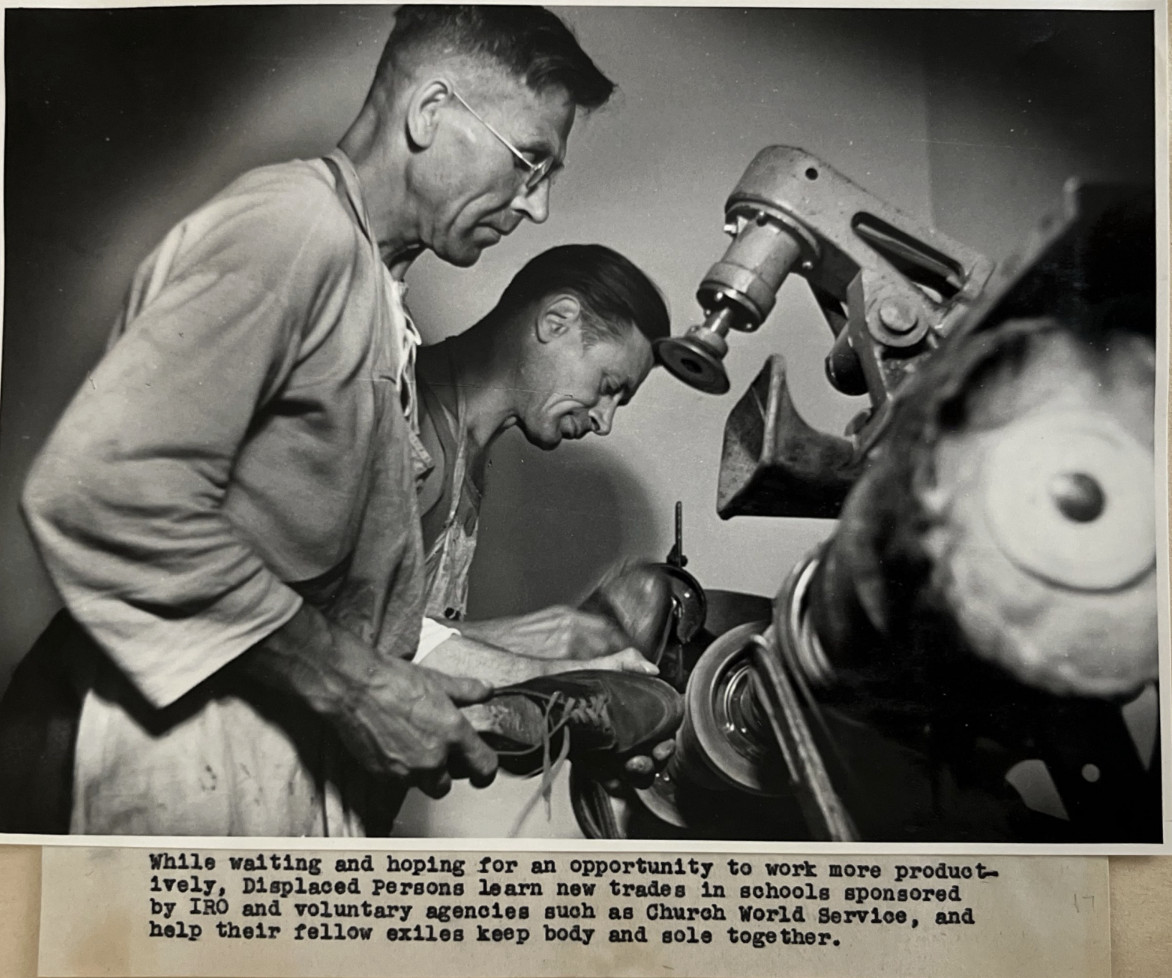
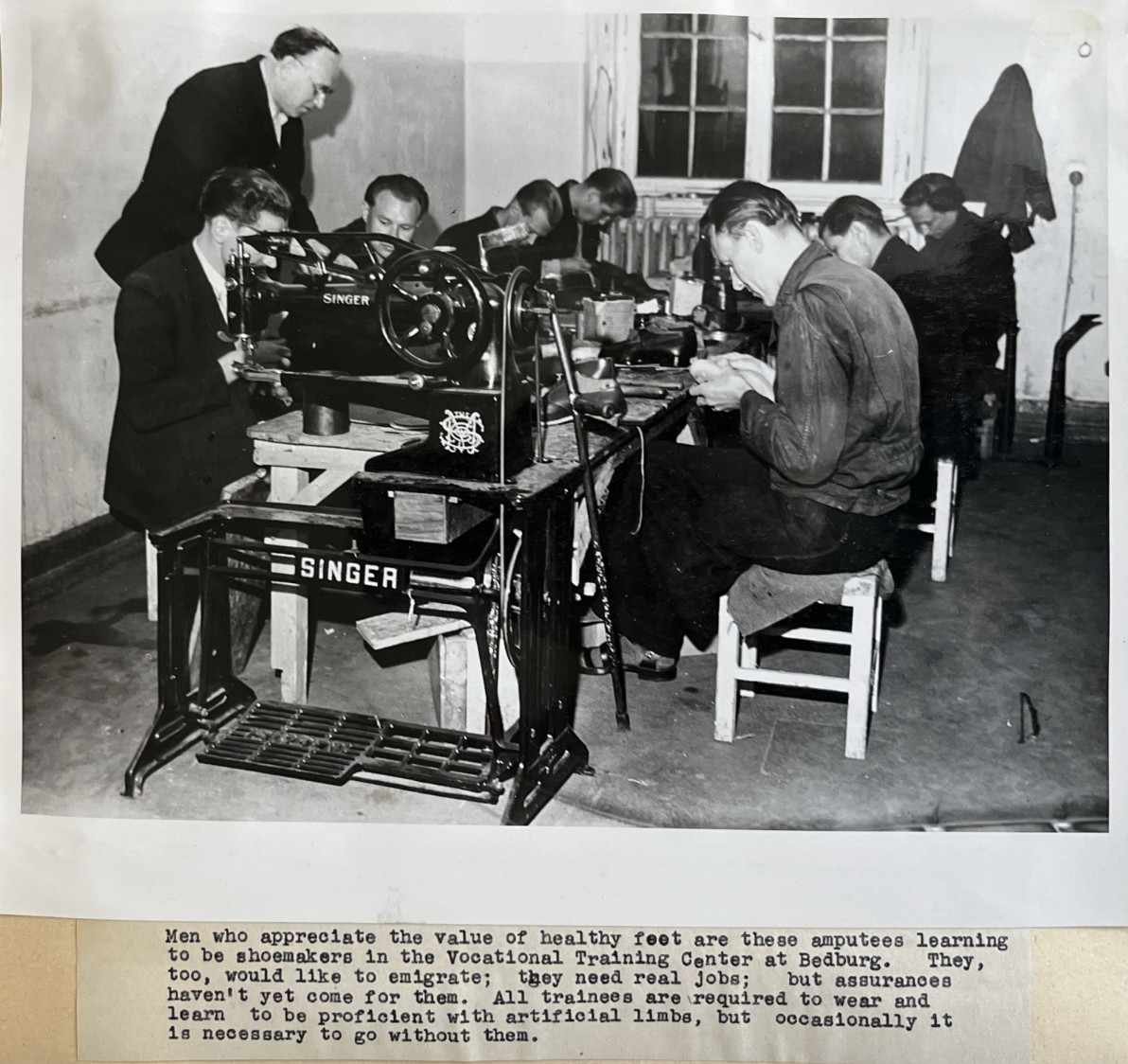
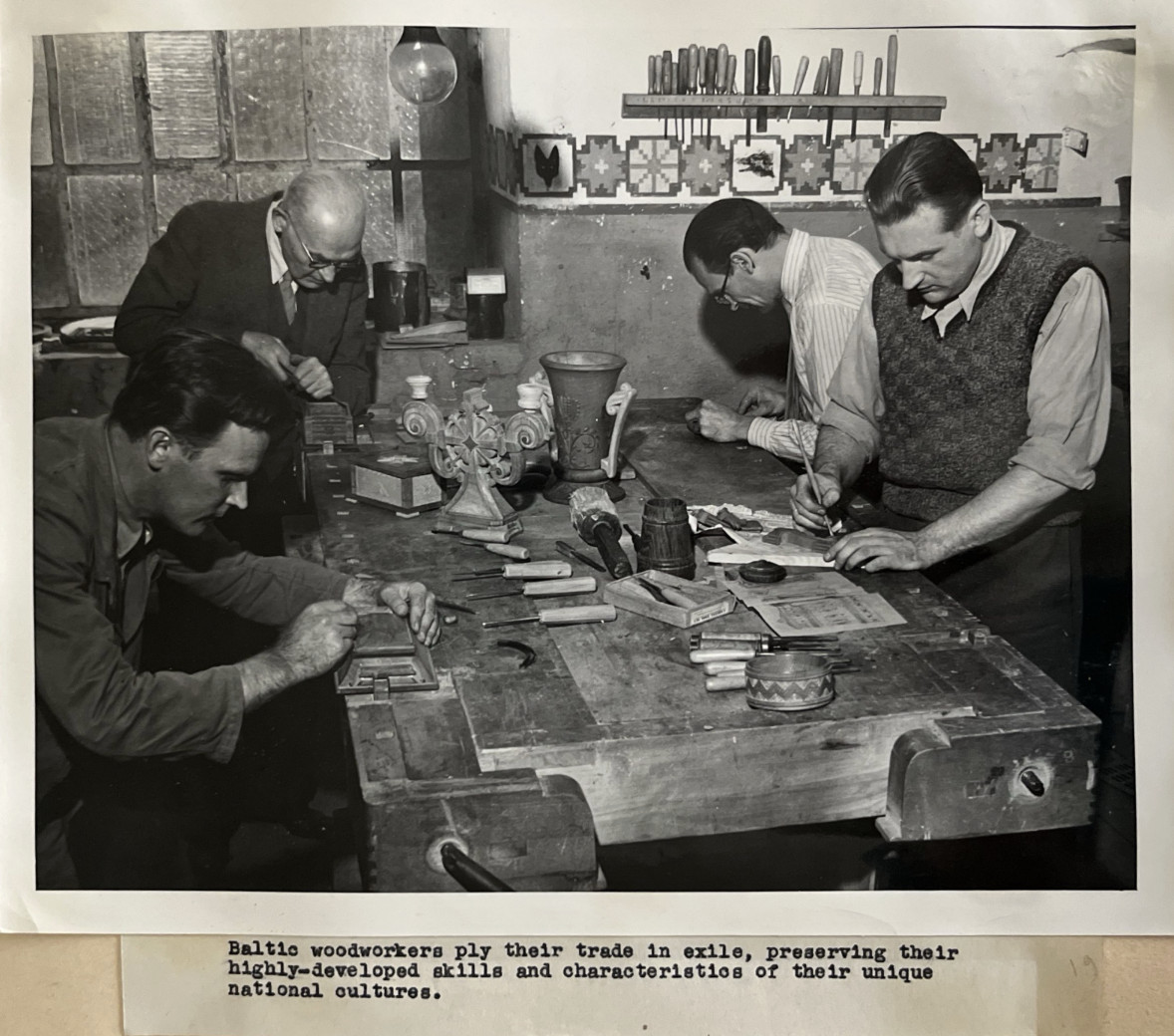
Adults in the DP camps had left behind their careers. Many Displaced Persons were highly educated but could no longer work in their trained discipline. People with careers such as doctors had to give up their profession to find immediate work, often in manual labor on farms. To keep daily camp life in operation, DPs began to learn trades such as woodworking, tailoring, shoemaking, watchmaking, tinsmith, radio repair, and leather repair.12
The hope for resettlement also hung over the heads of DPs. They lived in the cycle of hope and heartbreak when seeking assurances for resettlement. Each camp also offered services to learn English which could help with finding assurance matches. At the same time, family structures also played a large role in the resettlement process. For instance, families with elderly members often could not immigrate with them or secure assurances for them, as the assurance system often privileged individuals capable of sustaining themselves economically through work. To learn more about “hard core” resettlement cases visit our Challenges Page. To learn more about the resettlement process, visit our Resettlement Page.
Despite the despair that came with attempts to resettle abroad, DPs did their best to create community and joy within the camps. Celebrations, theatre, and music all gave DPs a sense of normalcy to carry them through the uncertainty of camp life. To learn more about cultural life in the camps, visit our Cultural Life Page.
Conclusion
Displaced Persons faced dire circumstances after multiple foreign occupations and a world war. Torn from their lives, families, and homes, they had to start completely new. Despite the difficulties of camp life, DPs worked to rebuild their lives and maintain a sense of normalcy. With support from the LWF-SR and other international organizations, schools and vocational training programs were established to help DPs to prepare for a better future. The work of the LWF-SR, in collaboration with UNRRA and the IRO, brought hope to the dark realities of post-war life and led many Displaced Persons to resettlement.
Sources
- Lutheran World Federation, Lutheran World Federation Service to Refugees in Germany 1947-1949. Materials for Report, ed. Howard V. Hong, vol. 1, 1949
- Mark Wyman, DPs: Europe’s Displaced Persons, 1949-1951(Ithica, N.Y: Cornell University Press, 2014), 43-44
- Lutheran World Federation, Lutheran World Federation Service to Refugees in Germany 1947-1949. Materials for Report, ed. Howard V. Hong, vol. 1, 1949, 15
- Mark Wyman, DPs: Europe’s Displaced Persons, 1949-1951(Ithica, N.Y: Cornell University Press, 2014), 43-44
- Kenneth C. Senft, “The Lutheran World Federation and the Displaced Person,” (Lutheran Theological Seminary, 1952), found in Kierkegaard Library Rare Books Room.
- Baetz, Reuben C., Stewart W. Herman, and Lutheran World Federation. Five Year Report of Lutheran World Federation Service to Refugees, 1947-1952. Geneva: Lutheran World Federation, 1952, 10
- Lutheran World Federation, Lutheran World Federation Service to Refugees in Germany 1947-1949. Materials for Report, ed. Howard V. Hong, vol. 1, 1949, 82
- Baetz, Reuben C., Stewart W. Herman, and Lutheran World Federation. Five Year Report of Lutheran World Federation Service to Refugees, 1947-1952. Geneva: Lutheran World Federation, 1952, 17
- Lutheran World Federation, Lutheran World Federation Service to Refugees in Germany 1947-1949. Materials for Report, ed. Howard V. Hong, vol. 1, 1949
- Kenneth C. Senft, “The Lutheran World Federation and the Displaced Person,” (Lutheran Theological Seminary, 1952), found in Kierkegaard Library Rare Books Room, 39
- Pakštalis, Arvydas, and Brigita Tranavičiūtė. “Forging Transnational Connections: The Role of the UNRA University and the Baltic University Shaping Postwar Educational Landscapes.” Historia y Memoria de La Educación (Madrid), no. 22 (May 2025): 253–76. https://doi.org/10.5944/hme.22.2025.42875.
- "Fischbach," Description of life in a DP camp, undated, author unknown, "FRAM FRAM St. Olaf College Folders #1," LWF Displaced Persons Box 2, St. John's Lutheran Church archive, Northfield, Minnesota.
Images, left to right, top to bottom
- DPs outside their camp housing, Lutheran World Federation Service to Refugees 1947-1949 Photographic Section, used with permission of the Lutheran World Federation and Evangelical Lutheran Church in America.
- Excerpt about challenges faced by DPs, Lutheran World Federation, Lutheran World Federation Service to Refugees in Germany 1947-1949. Materials for Report, ed. Howard V. Hong, vol. 1, 1949
- Large family in DP single-room camp housing, Lutheran World Federation Service to Refugees 1947-1949 Photographic Section, used with permission of the Lutheran World Federation and Evangelical Lutheran Church in America.
- Excerpt describing DP living conditions in the camps, Lutheran World Federation, Lutheran World Federation Service to Refugees in Germany 1947-1949. Materials for Report, ed. Howard V. Hong, vol. 1, 1949
- Woman washing clothing. Lutheran World Federation Service to Refugees 1947-1949 Photographic Section, used with permission of the Lutheran World Federation and Evangelical Lutheran Church in America.
- Fischbach DP camp, Lutheran World Federation Service to Refugees 1947-1949 Photographic Section, used with permission of the Lutheran World Federation and Evangelical Lutheran Church in America.
- Woman and child in DP housing, Lutheran World Federation Service to Refugees 1947-1949 Photographic Section, used with permission of the Lutheran World Federation and Evangelical Lutheran Church in America.
- Excerpt describing life for DPs, Lutheran World Federation, Lutheran World Federation Service to Refugees in Germany 1947-1949. Materials for Report, ed. Howard V. Hong, vol. 1, 1949
- Woman serving food to DPs, Lutheran World Federation, Lutheran World Federation Service to Refugees in Germany 1947-1949. Materials for Report, ed. Howard V. Hong, vol. 1, 1949
- Man and woman sort through clothing donations, Lutheran World Federation Service to Refugees 1947-1949 Photographic Section, used with permission of the Lutheran World Federation and Evangelical Lutheran Church in America.
- DPs being served a meal, Lutheran World Federation Service to Refugees 1947-1949 Photographic Section, used with permission of the Lutheran World Federation and Evangelical Lutheran Church in America.
- Michelfelder-Hong Supply Order Request 1949, Box 9.12.14.1.8.7.96, Service to Refugees Material Relief Germany: Supplies 1949-1951, Lutheran World Federation Archive, Geneva, Switzerland.
- LWF food and clothing parcels, Lutheran World Federation Service to Refugees 1947-1949 Photographic Section, used with permission of the Lutheran World Federation and Evangelical Lutheran Church in America.
- Children in Sunday School classroom, Lutheran World Federation Service to Refugees 1947-1949 Photographic Section, used with permission of the Lutheran World Federation and Evangelical Lutheran Church in America.
- Teacher and student in front of children's artwork, Lutheran World Federation Service to Refugees 1947-1949 Photographic Section, used with permission of the Lutheran World Federation and Evangelical Lutheran Church in America.
- Mother cooking while child reads, Lutheran World Federation Service to Refugees 1947-1949 Photographic Section, used with permission of the Lutheran World Federation and Evangelical Lutheran Church in America.
- Students arriving to Lutheran Study Center at Imbshausen, Lutheran World Federation Service to Refugees 1947-1949 Photographic Section, used with permission of the Lutheran World Federation and Evangelical Lutheran Church in America.
- Boy Scouts, Lutheran World Federation Service to Refugees 1947-1949 Photographic Section, used with permission of the Lutheran World Federation and Evangelical Lutheran Church in America.
- Men learning silversmith art, Lutheran World Federation Service to Refugees 1947-1949 Photographic Section, used with permission of the Lutheran World Federation and Evangelical Lutheran Church in America.
- Men learning trades, Lutheran World Federation Service to Refugees 1947-1949 Photographic Section, used with permission of the Lutheran World Federation and Evangelical Lutheran Church in America.
- Amputees learning to be shoemakers, Lutheran World Federation Service to Refugees 1947-1949 Photographic Section, used with permission of the Lutheran World Federation and Evangelical Lutheran Church in America.
- Once-hadicapped men play sports at Vocational Training Center at Bedburg, Lutheran World Federation Service to Refugees 1947-1949 Photographic Section, used with permission of the Lutheran World Federation and Evangelical Lutheran Church in America.
- DPs walking home with food rations, Lutheran World Federation Service to Refugees 1947-1949 Photographic Section, used with permission of the Lutheran World Federation and Evangelical Lutheran Church in America.
- Baltic woodworkers, Lutheran World Federation Service to Refugees 1947-1949 Photographic Section, used with permission of the Lutheran World Federation and Evangelical Lutheran Church in America.