Author: Ashley Morse

  • Film screening and Letter Writing to political prisoners in Russia

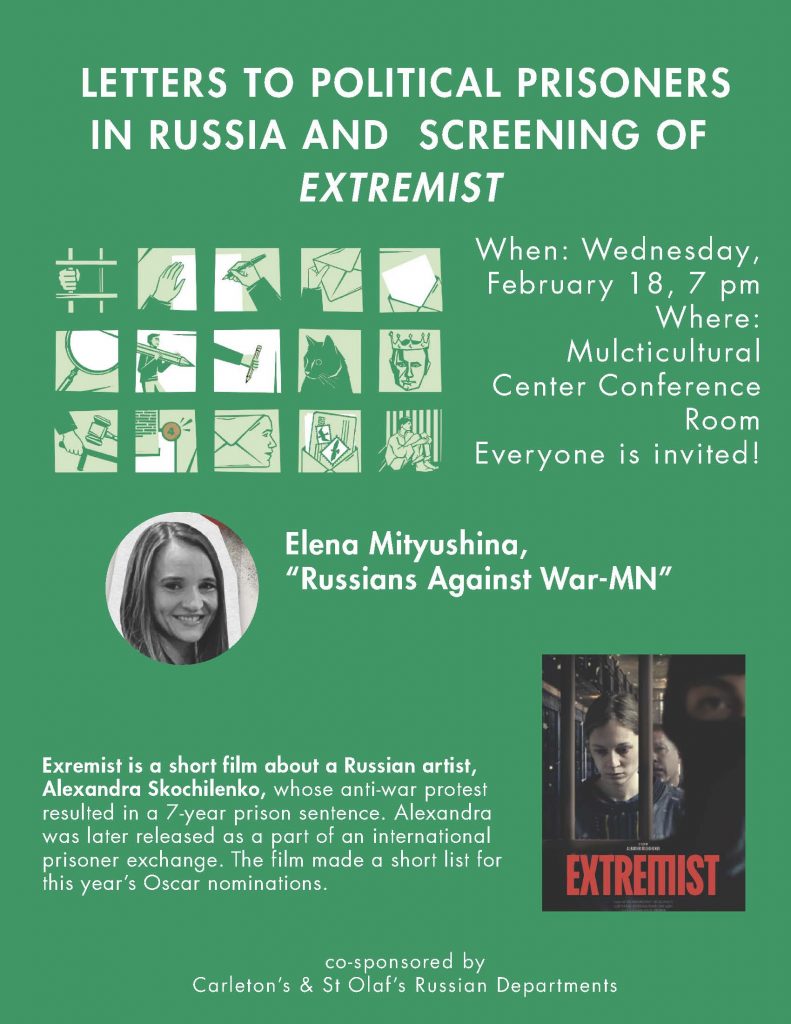
    On Wednesday, February 18, 2026, students from Prof. Dossi’s RUSSN 268: The Muslim in Russian Literature and Prof. Morse’s Intermediate Russian II and WRIT 120e: Riding and Writing braved driving snow and slick roads to attend a film screening and letter writing event at Carleton College.

    Elena Mityushina, the head of “Russians Against War-MN” introduced the film and spoke about political prisoners in Russia and Russian asylum-seekers in MN. After the talk and screening, students wrote letters to Russian political prisoners.

    This event was co-sponsored by the Carleton College Russian Department and the St. Olaf Department of Russian Language and Area Studies.
  • RLAS Department Statement against ICE and CBP Actions

    The faculty of the Department of Russian Language and Area Studies at St. Olaf College condemns the discriminatory, reckless, and violent actions of ICE, CBP, and other federal agencies in our community and in communities across the United States. We condemn the spurious narratives and outright lies that President Trump and his administration continue to use in their efforts to justify the illegal abduction, detainment, torture, and murder of people regardless of citizenship or legal status. We stand in heartfelt solidarity with our community members who are living in uncertainty, fear, despair, and anger. We also stand with those who have been moved to resist this clear violation of law, peace, and security in our community.

    Resources:

  • The Muslim in Russian Literature

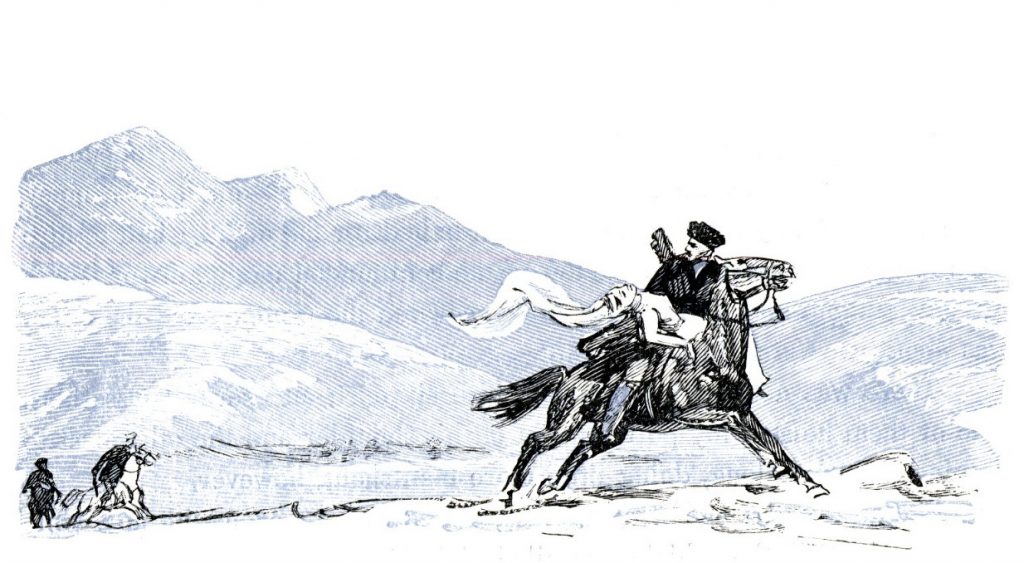
    Empress Catherine II undertook her “Taurian Voyage” (1787) to visit Crimea and New Russia, two provinces that the Russian Empire had recently acquired from the Ottoman Turks in the settlement of the Russo-Turkish War (1768-74). Upon her arrival in Crimea, the Empress proclaimed it a “fairy tale from The Thousand and One Nights.” In referencing this famous collection of “Oriental” fairy tales, Catherine drew on a long-standing habit in Russia of depicting their Muslim neighbors, and subjects as exotic characters from stories and fables — as Orientalized Others — and more often than not, enemies. This course will examine texts spanning more than a thousand years of Russian and Eurasian history, to examine the figure of the “Muslim” in the Russian imaginary. In so doing, we will gain a sense for the ever-changing relations between Christian and Muslim communities in Eurasia through the lens of their interactions in literature.

    Offered Spring 2026.

  • Oles visit St. Mary’s Orthodox Cathedral and TMORA

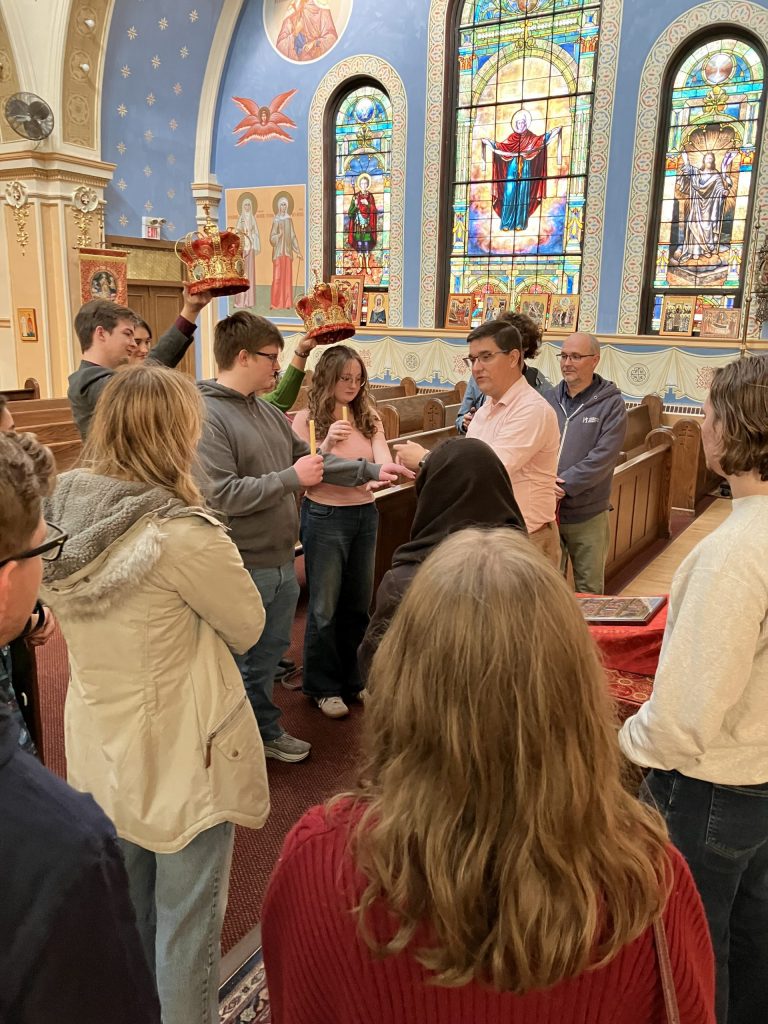
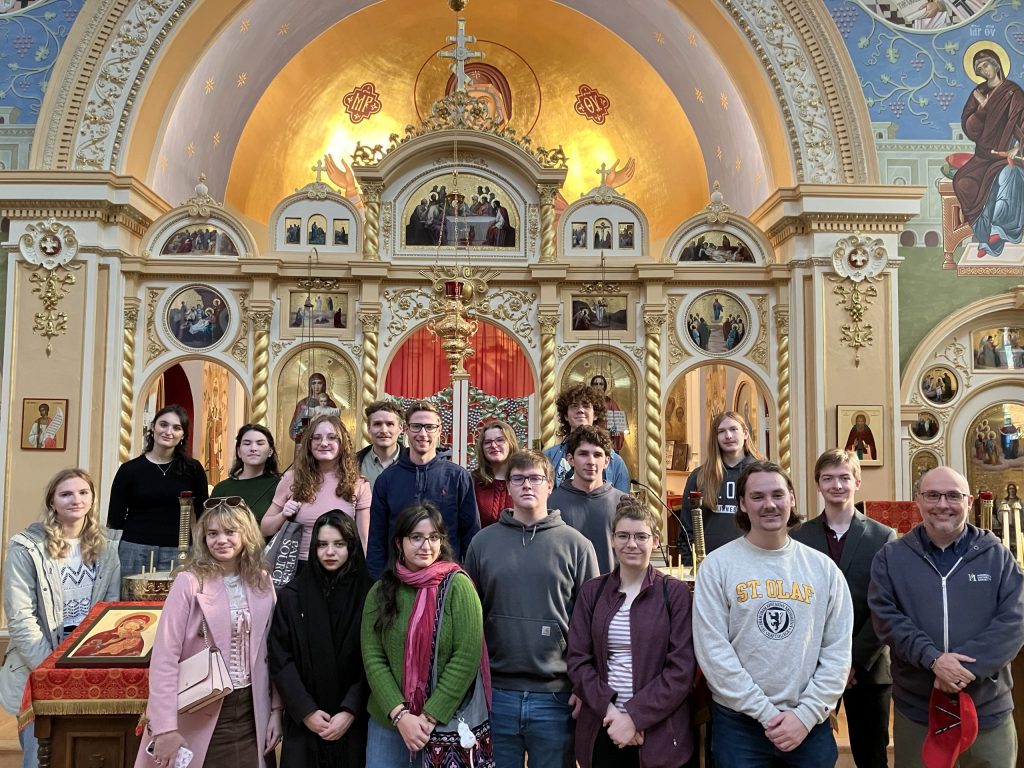
    Students and faculty assemble in front of the iconostasis. St. Mary’s Orthodox Cathedral, Minneapolis, MN.

    On Saturday, November 18, students from Prof. Morse’s course The Cultures of Medieval Rus’ (RUSSN 180) and Prof. Lippmann’s The Making of Modern Russia (HIST 120) visited St. Mary’s Orthodox Cathedral and the Museum of Russian Art (TMORA).

    At St. Mary’s, students were able to put their knowledge of Orthodox Christian ritual, ritual space, and sacred art to the test. They “read” and discussed the iconostasis, frescoes, icons, and architecture of St. Mary’s with a generous and knowledgeable member of the lay community.

    After visiting St. Mary’s, the group stopped for lunch at Kramarczuk’s Deli and then traveled to the storage of the Museum of Russian Art to view examples of folk art and a special performance by the folk performance group Nitka. The performance was followed by a visit to TMORA to view the current exhibitions “The World of the Russian Folk Tale” and “Nadezhda Glazunova: Festive Art.” We extend a special thanks to TMORA curator Dr. Maria Zavialova and Nitka!


  • J-Term Course Proposal

    The Russian Language and Area Studies Department J-term course proposal is officially under consideration. Fingers crossed — будем держать кулачки!

    We’re so grateful for all the input and support we’ve received from Theresa Heath, Director of the Smith Center for Global Engagement, and Alyssa Melby, Director of Svoboda Center for Civic Engagement.

    In the meantime, we can announce the tentative course title and description:

    Civic Engagement in Riga, Latvia: History, Culture, and Politics at a European Crossroads

    In this course, students will spend one month in the scenic, historic, and exciting capital of Latvia, Riga. They will divide their time between civic engagement projects with local NGOs on one hand, and on the other, lectures, discussions and excursions that will address the pressing issues of immigration, displacement, diaspora, and language politics in Latvia and Eastern Europe more generally.

    The course centers community engagement: students will choose to collaborate with a local community partner based on their personal and academic interests. Local partners include organizations for youth community building, LGBTQ+ support, exiled writers and journalists, and environmental sustainability.

  • Russian Language & Area Studies Department Radio Program

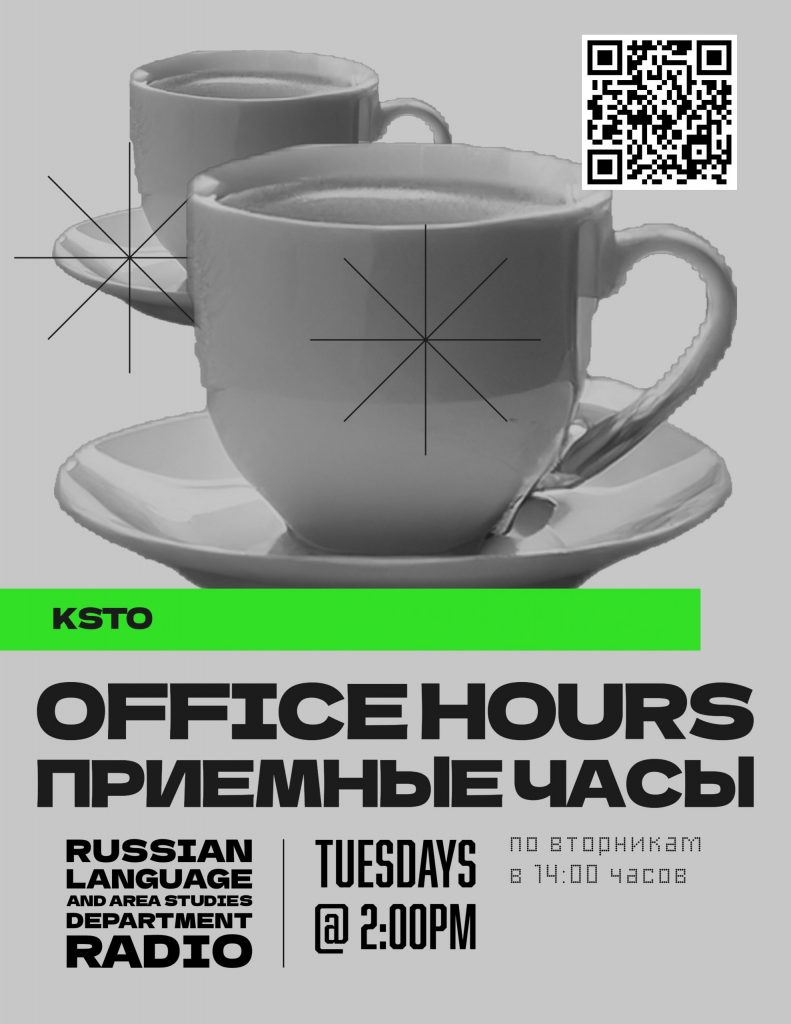
    Prof. Morse and Paul Murphy are hosting “Office Hours” (приемные часы) weekly on KSTO radio. The program draws together eclectic global pop selections (w/ a Central and East European emphasis) around a weekly theme. Played in sets accompanied by limited commentary.

  • Inaugural Pickle Fest at St. Olaf

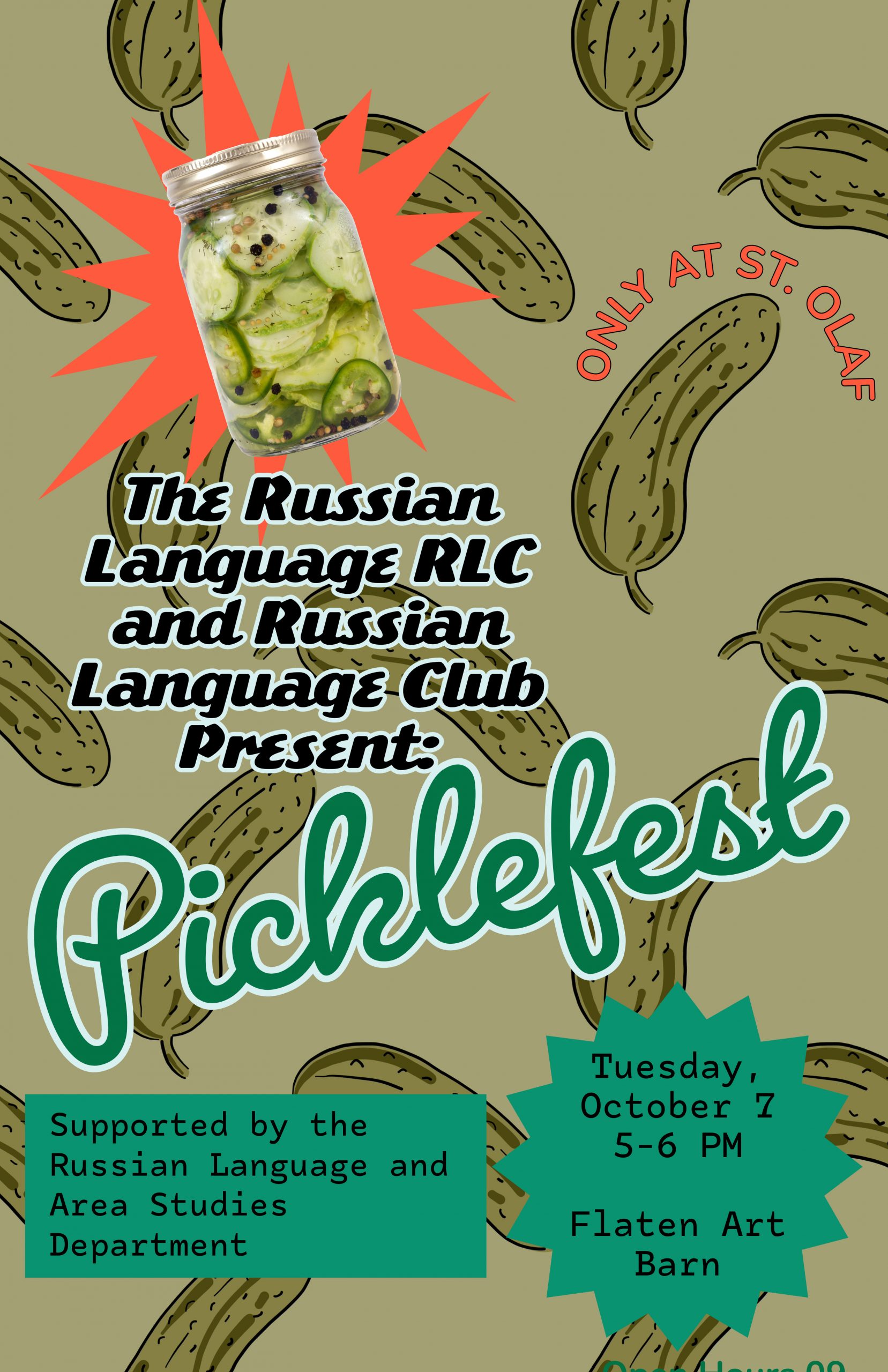
    This October, students from the Russian Language Learning Community (RLC) and Russian Language and Area Studies Club organized the first annual St. Olaf Pickle Fest (Пикльфест), which was held at the Flaten Art Barn on Tuesday, October 7. Congratulations to our student-organizers for putting on such a memorable event — вы молодцы!


  • Riga Site Visit & Research in Helsinki

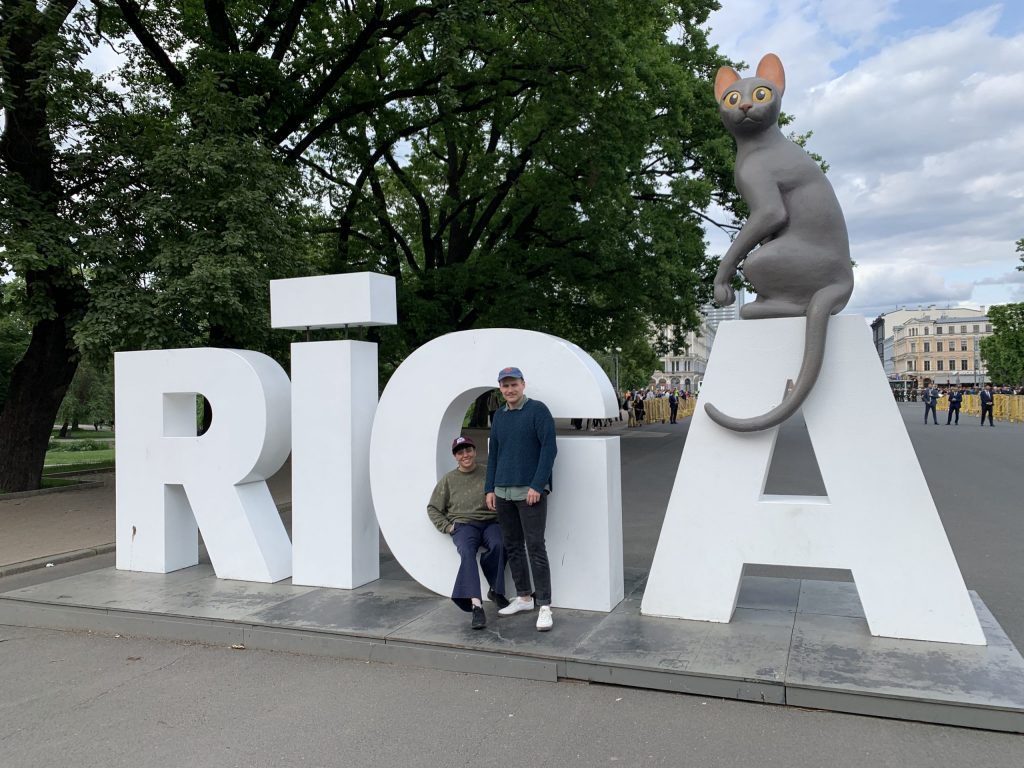
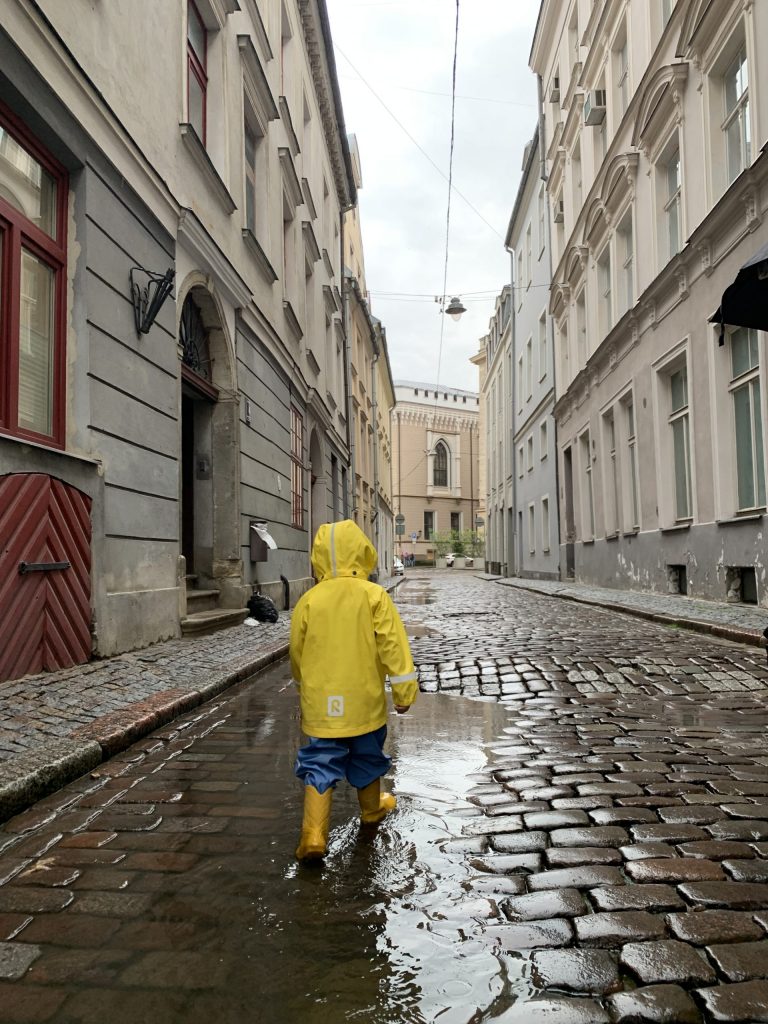
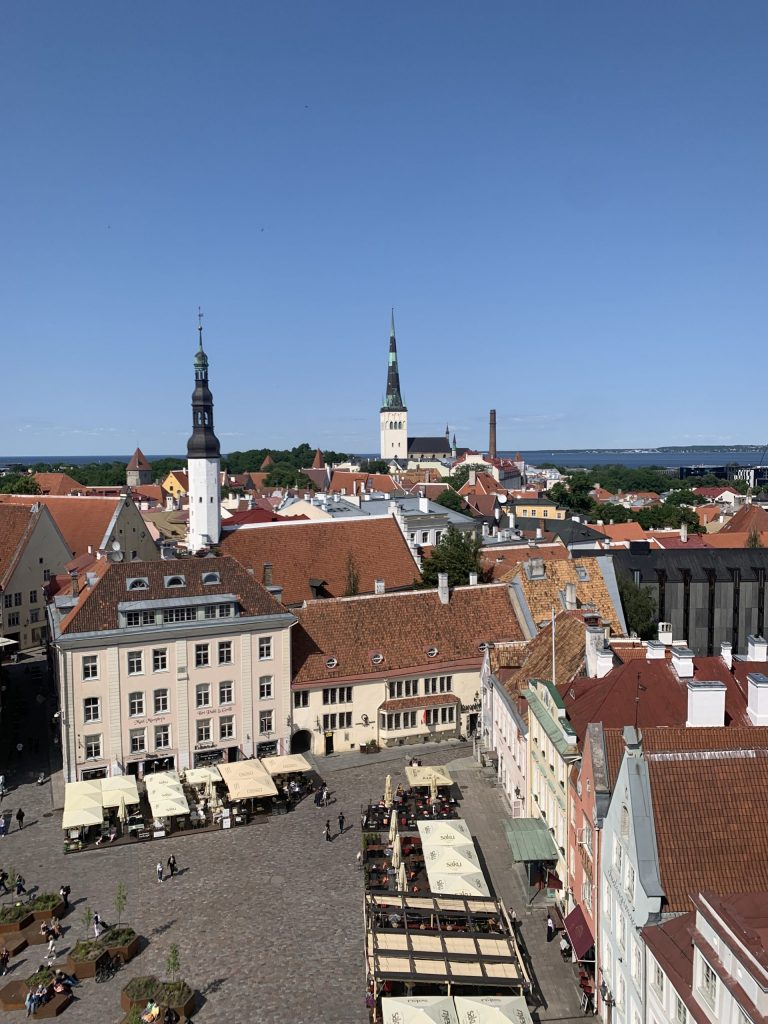
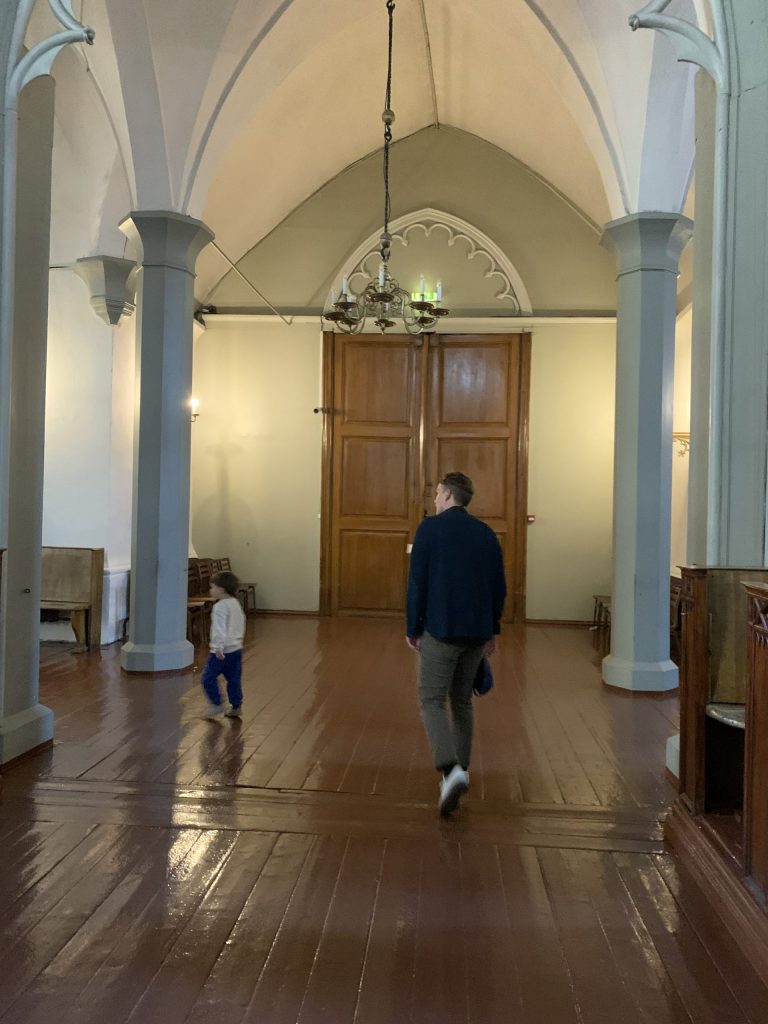
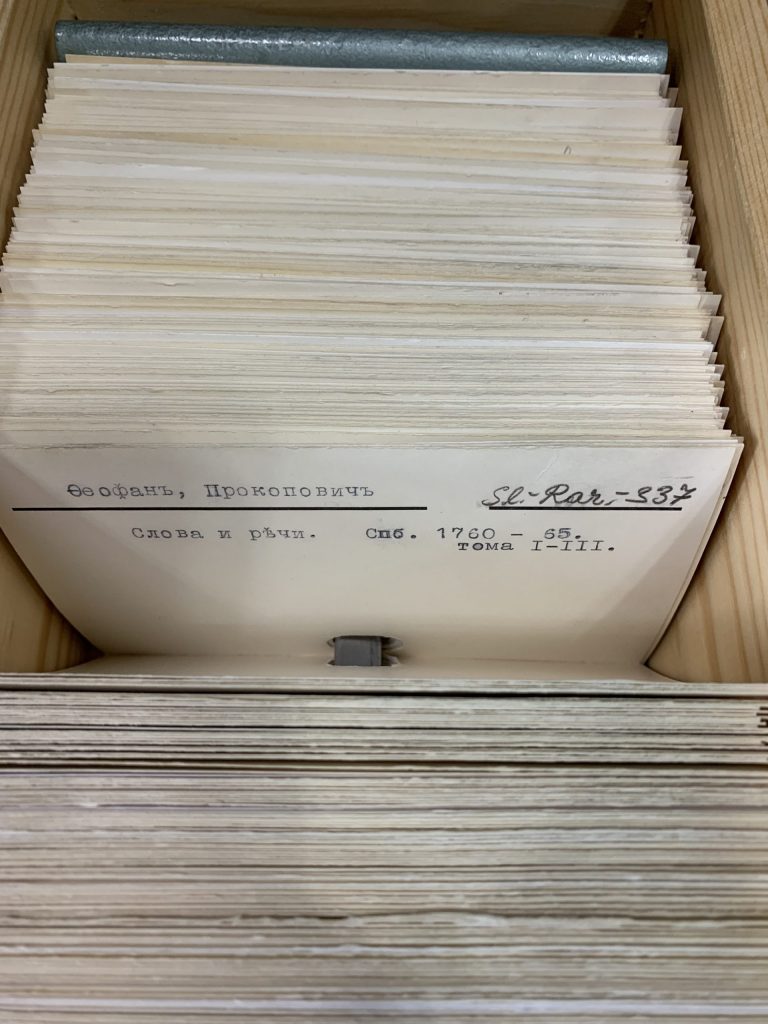
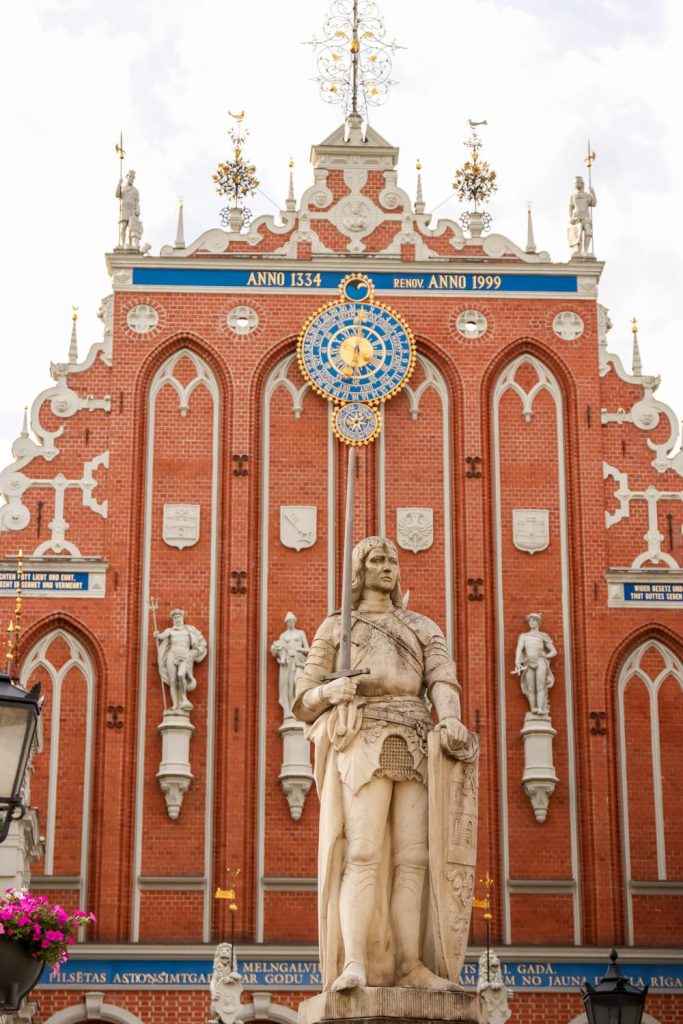
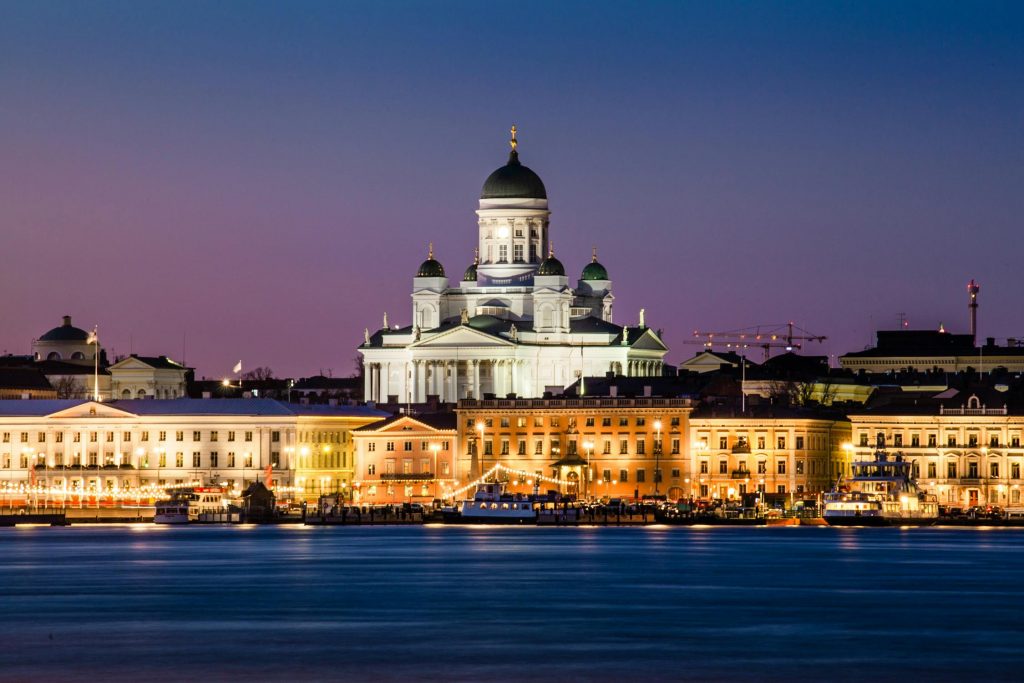
    This summer, Profs. Dossi and Morse traveled to Riga, Latvia and Tallinn, Estonia to conduct a site visit for an exciting new J-Term course. They also conducted research at the National Library in Helsinki, Finland.

    Our visit to Riga was engaging, informative, and fun. SRAS’s Baltics Program Manager, Katya, organized our itinerary and put us in touch with potential community partners for our program. We’re so grateful for her guidance and look forward to working together in the future.

    In Tallinn, Prof. Morse attended a mass at the Transfiguration cathedral, which houses an exquisite early 18th c. baroque iconostasis. Profs. Dossi and Morse also enjoyed exploring the old town and the Maritime Museum with their children.

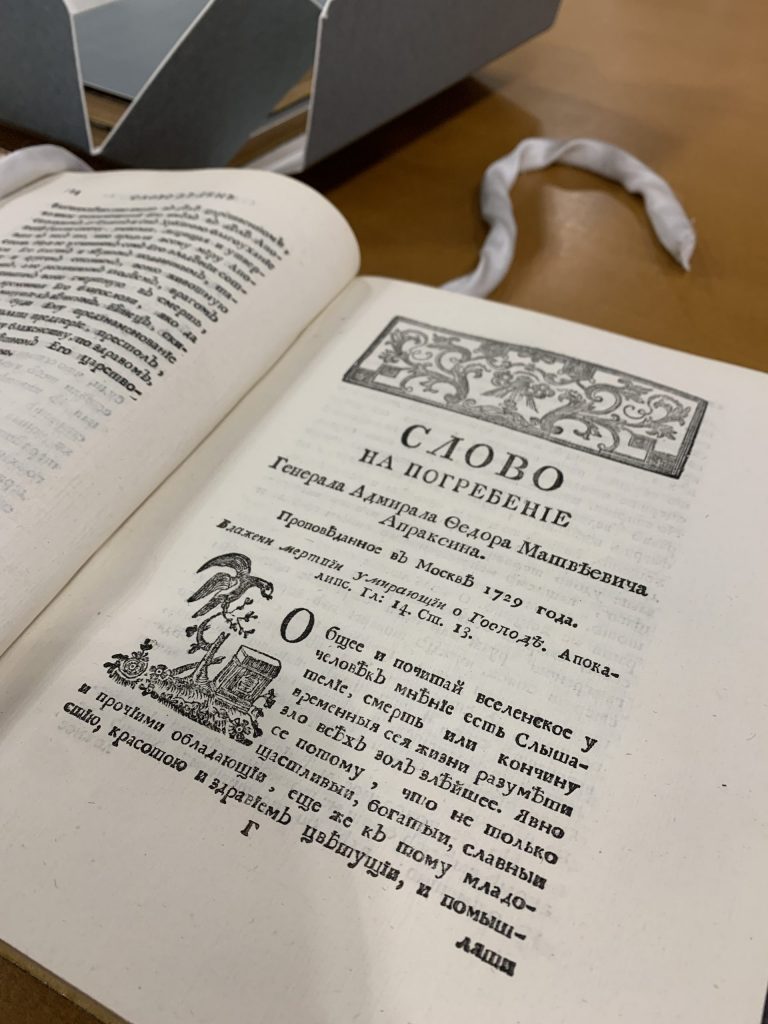
    Finally, in Helsinki, Profs. Dossi and Morse worked in the National Library. Prof. Dossi examined the extensive collection of nineteenth-century Russian medical journals in the Slavonic Library, while Prof. Morse examined texts from the private libraries of three influential courtiers at the court of Peter I (r. 1682-1725) held in special collections.

  • Summer 2025

    This summer, Profs. Dossi and Morse will travel to Latvia, Estonia, and Finland to conduct site visits for an exciting new Russian Studies J-term program, and conduct research at the Helsinki Slavonic Library at the University of Helsinki.

    At the Slavonic Library, Prof. Dossi will examine the extensive collection of nineteenth-century Russian medical journals kept in their archives. Prof. Morse will examine documents from the personal libraries of courtiers at the Petrine Court.

    The site visit portion of the trip is funded through the Smith Center for Global Engagement and the research portion through the Professional Development fund at St. Olaf.


  • Queer Russian Literature

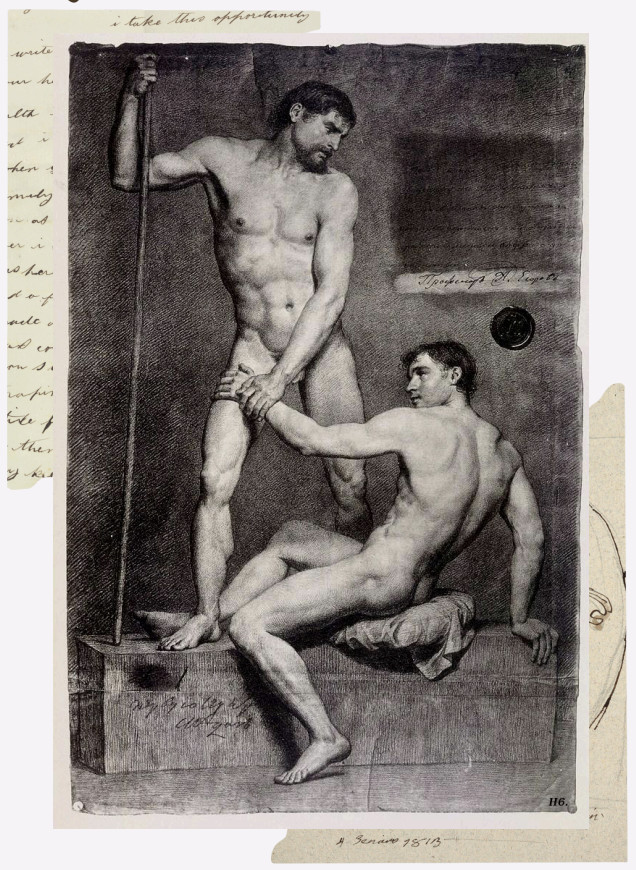
    The fate of the queer community in the Russian Empire, in the USSR and in modern day Russia has been characterized by constant twists and turns between decriminalization and “re-criminalization” (1917, 1934, 1994) with the final blow being the 2013 “propaganda law” (expanded in 2022) forbidding the “promotion of nontraditional sexual relations to minors” – that is, restricting and potentially criminalizing any open discussion of queer topics. Homophobic Russian rhetoric emphasizes the supposedly recent and foreign nature of LGBTQ identity and ideas and embraces the popular view that homosexuality is essentially un-Russian. On the other hand, Western discourse often orientalizes Russia as ‘traditional’,‘premodern’ or ‘underdeveloped’ and positions it as the West’s ‘Other’ in its homophobia. This course, which considers queer Russian literature from modernist to contemporary authors, pushes back against both of these restrictive points of view.

    Offered Fall 2025.