IM 392 – Individual Major Capstone Course
Click here to learn more about my Capstone, R.I.P. Lair.
RACE 396 Res: Research and Creativity
“How is academic work in Race and Ethnic Studies enabled or transformed by an openness to creativity? And how is creative work–in fields such as film, music, literature, and visual art–enabled or transformed by research? In this seminar, students encounter foundational and contemporary work that addresses one or both of these questions. In the second half of the semester, students pursue individual projects (academic, creative, or both) that serve as their response.”
This course was especially influential for me. It emphasized community engagement, feedback, and collaboration-all of which lead to more effective, meaningful, and impactful work. It also helped me see how I can use media production to tell important stories, share vital information, and make narratives more accessible. Ultimately, it reinforced my belief in design of media and experiences, like the collaborative, interactive exhibit about the Soweto Uprising that I created in RACE 396, can be used as a tool for justice and social change.
Using Design for Social Engagement: Education as a Platform for Liberation, May 2025
an exhibit I made for my RACE 396 capstone
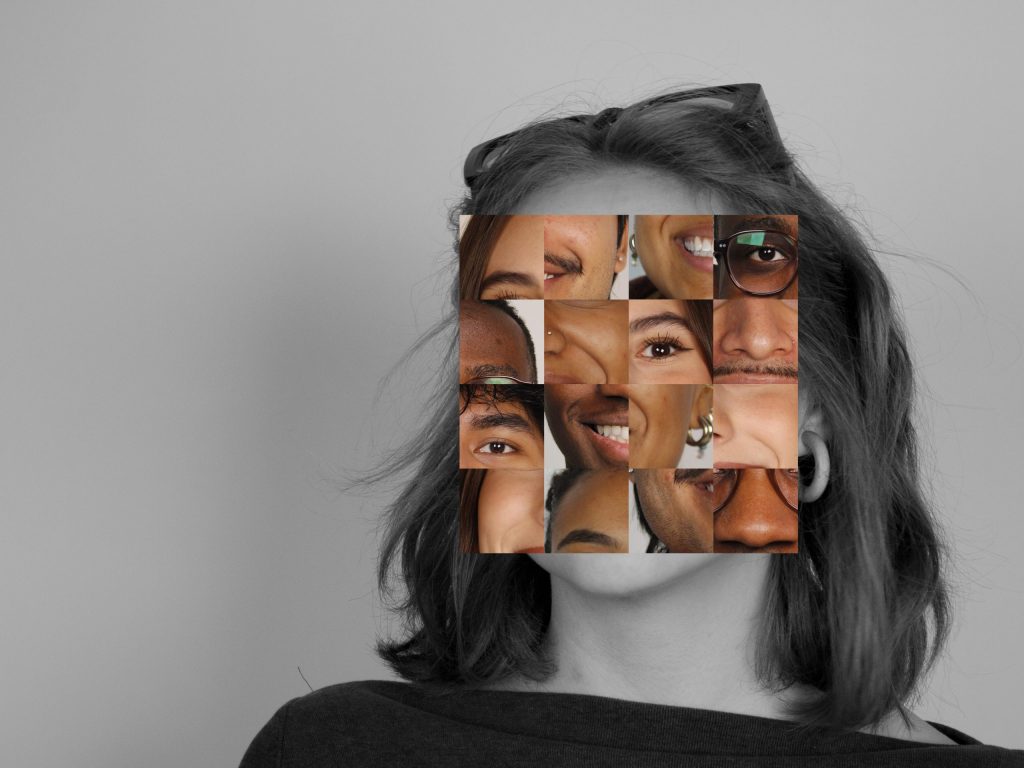
a piece I made in ART 104
ART 104 Foundation New Media
“This foundation-level studio course introduces the aesthetic, conceptual, and technical foundations of new media art making. New media is a broad category that includes a variety of art practices. Areas of focus may include video art, filmmaking, sound art, animation, performance and other digital, time-based, and/or interactive processes. Idea generation and creative development is central to the course, with an emphasis on experimentation and divergent thinking. Students engage in demonstrations, exercises, group work, reflection, and creative projects.”
Because this class covered a wide range of media production techniques, I developed a stronger understanding of new, multimedia approaches to creative thinking. It also emphasized foundational skills such as an understanding of composition, sound quality, and digital camera operation that I hadn’t encountered much at St. Olaf, making it a valuable learning experience. As a fast-paced J-Term course, it required focus, efficiency, and time management, especially with a final group project that reinforced the importance of collaboration and meeting production deadlines. One of my main takeaways was that I gained stronger Adobe software skills, but I also came away with a refreshed creative perspective shaped by both the professor and my peers.
MUSIC 245 Music and Social Justice
“In this course, students explore the profound relationship between music and social change, examining how songs and sound have served as powerful tools for activism across cultures and movements. Through historical case studies, critical listening, and hands-on workshops, this class emphasizes experiential learning, culminating in a group project where students organize and lead a community event in collaboration with local organizations. This course carries an ACE component.”
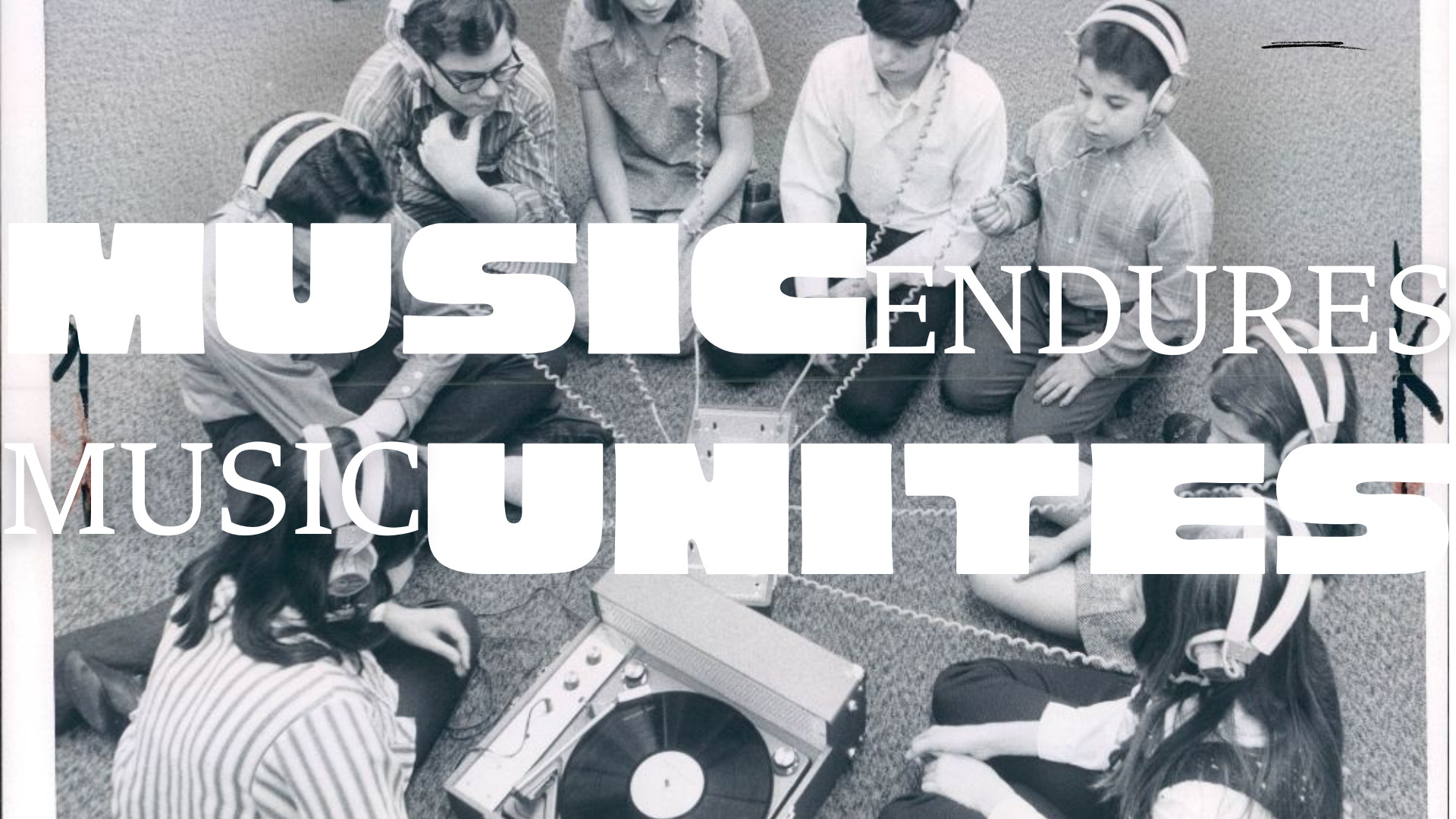
The ACE component—organizing a collaborative community event—provided academic grounding for my event planning expertise, complementing the skills I have developed through hands-on experience. In addition, the course deepened my understanding of the meaning, power, and influence of art and culture, specifically through the lens of music. This perspective directly informed the creative and conceptual development of my capstone project, R.I.P. Lair.
ID229 Arts Management
“This course provides an overview of the key issues that face arts administrators. Topics addressed include strategic planning, budgeting, fund raising, audience development, and human resource management as each relates to the unique setting of the arts. Case analysis and guest speakers provide opportunities to explore application of key concepts.”
This class was especially valuable because it shifted my view of art from something you simply create to something you’re also responsible for sustaining—through funding, community engagement, and impact. I hadn’t fully considered this perspective until I began working at the Pause. The course taught me how to motivate collaborators, gather community feedback, and host events people genuinely care about. It highlighted how essential the community is to the arts, especially in a time of limited funding. I also gained a deeper understanding of the broader economic and social impacts of creative work, and the importance of being mindful about how media influences audiences and reflects on its creators.
ART 236 Graphic Design
“This course introduces students to the medium of graphic design as a method of enhanced communication. The course explores the design communication process including conceptualization, creative processes, terminology, and technology. Assignments introduce computer applications used in the graphic design profession as well as graphic design elements of typography, production, color theory, digital printing processes, and basic web design.“
Graphic Design was a foundational course in the development of my major, providing both essential design principles and hands-on experience with Adobe Creative Suite. Through projects involving branding, color schemes, and logo creation, I significantly strengthened my technical skills and design fluency. The tools and concepts learned in this class have directly shaped my graphic design work since and will be critical in developing the branding for R.I.P. Lair. These skills remain central to my practice in visual communication and media production.
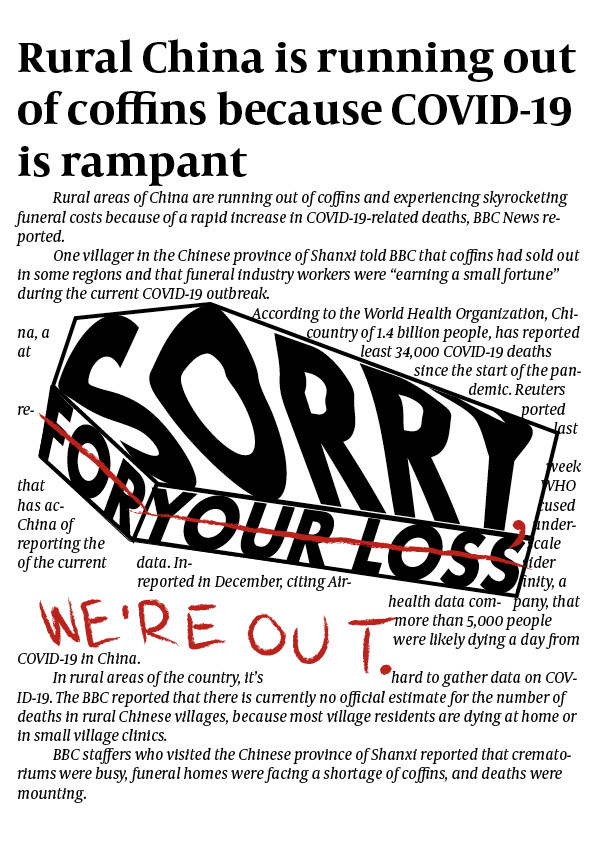
a piece from my final proejct series about the pandemic aftermath in ART236
Our Lives, December 2024
a podcast episode two groupmates and I produced as an ACE collaboration with Clean River Partners in FMS 220
FMS220 Top: Podcasting and Photography
“This course introduces students to film and media production. The course rotates topics to accommodate various modes of production such as documentary, experimental, and narrative filmmaking. Students view and study film, learn the creative and technical skills associated with the course’s focus, as well as participate in their own film and media productions.”
This course provided me with valuable technical skills, including proficiency in Adobe softwares and Audacity for editing and producing multimedia content. We also examined the social and ethical implications of media and journalism, learning how to thoughtfully consider these factors when creating our own work, and when interviewing. As an ACE course, it emphasized project management and professionalism through hands-on work with podcasts and our external partners, so meeting deadlines and maintaining high-quality output were especially important. One of my main takeaways was a new understanding of the power of sound editing—something I hadn’t considered deeply before. I now recognize how audio design can shape audience perceptions and meaning in media, and audio mixing and editing abilities are so helpful when is comes to live music documentation.
BUS 268 Design Thinking and Entrepreneurship
“Students develop a business or not-for-profit venture concept using the Design Thinking Process. Students acquire an understanding of the entrepreneurial process: opportunity recognition, resource marshaling, and team building, driven by communication, creativity, and leadership. The course concentrates on the entrepreneurial process from idea creation to ultimate business or other organizational activity.”
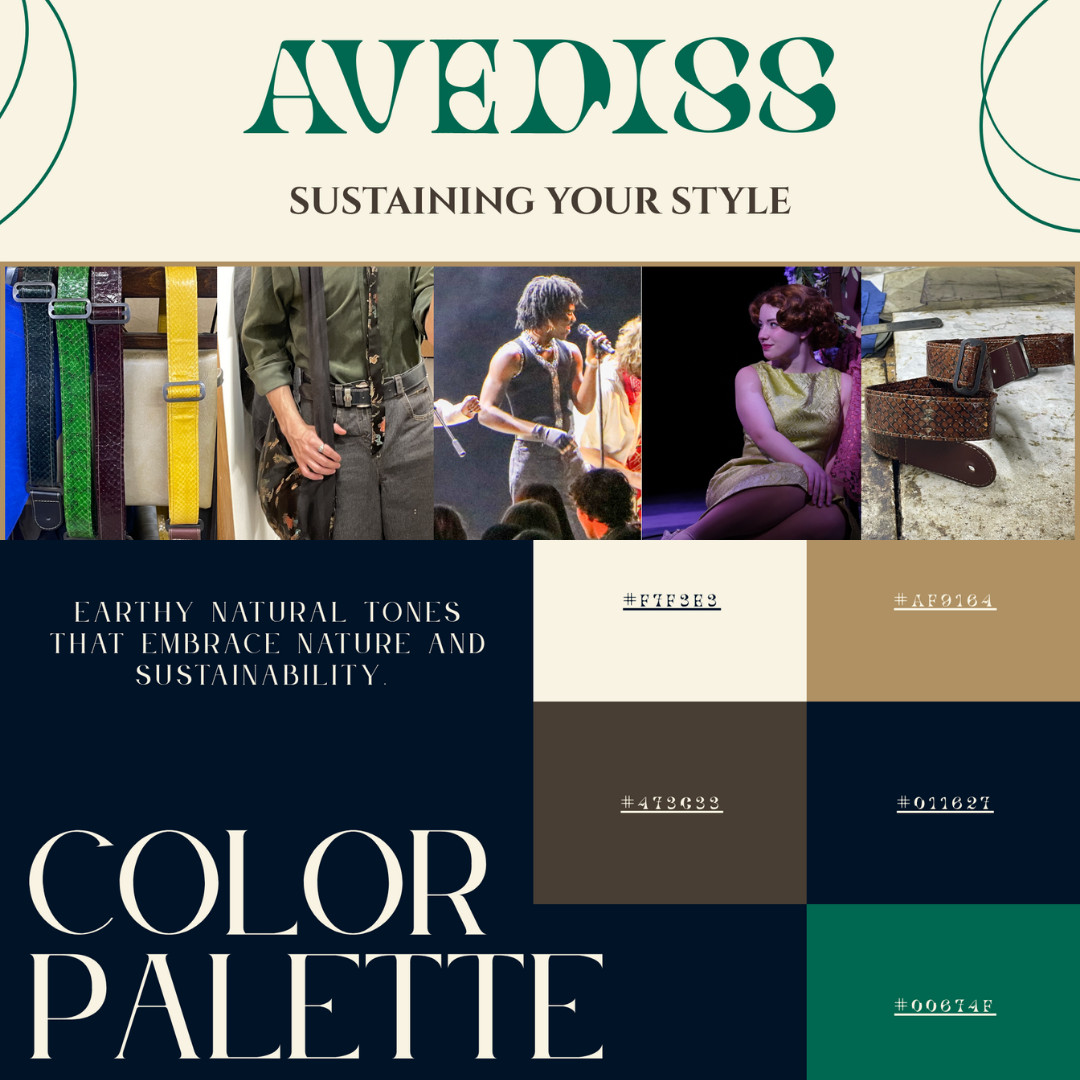
I gained valuable insights into the management and production, with particular attention to community impact, personnel, team building, communication, and leadership. Additionally, the skills developed in shaping and communicating a venture’s identity informed the branding of R.I.P. Lair. Our work with surveys, customer profiles, and Design Thinking principles was extremely helpful in creating materials and practices that answered directly to the needs of the customer.
The image shows domes of the work done in branding for our group project.
ARTS 240 Art in Public Space
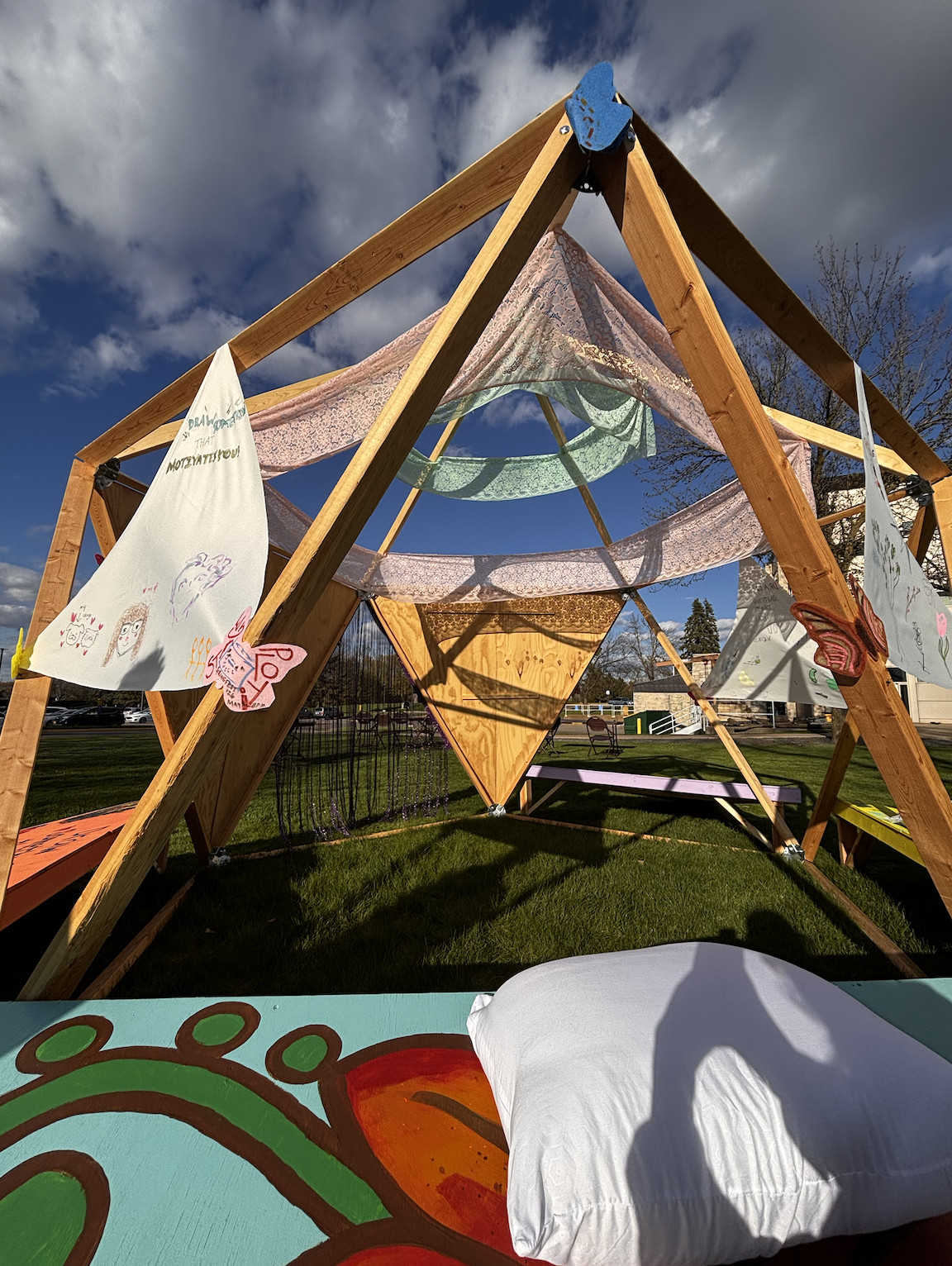
This course strengthened my skills in project management and communication in a community art and event planning context. I utilized tactics like meetings and Google Forms to collect and articulate the shared goals of the class members and professor, and used those goals to guide the creation of tools like day of shift schedules, google calendar invites, and a Gantt Chart to guide the class towards a successful event with timely production.
The attached photo shows the mural structure that was created by the class. Together, we hosted an event titled Springtime Sanctuary on April 30th, 2026.
SPAN 3301 Intercultural Communication and Leadership
“This course explores the contemporary host culture through the lenses of intercultural studies. Students will learn about current cultural, societal and political themes in the host city, compare ethnic and racial identities in the host country and the U.S., and explore the experiences of diverse populations within the host country. We will examine the complexity of host culture values, beliefs, and practices and learn to identify the cultural differences and similarities between the host culture and U.S. American cultures. Students will also learn about key intercultural communication theories, frameworks and leadership practices in order to deepen their cultural self-awareness, acquire new perspectives and effectively communicate and interact with culturally different others.”
This course strengthened my ability to lead and communicate across cultural differences, equipping me with tools to ensure that all forms of communication—marketing, promotional materials, internal messaging, and public statements—are inclusive and resonate with all members of a community. Studying how racial and ethnic identities are experienced in Spain compared to the U.S. deepened my cultural self-awareness and ability to design initiatives that reflect diverse perspectives.
The focus on intercultural leadership was especially impactful, giving me strategies to build team structures, define shared values, and foster an inclusive team ideology that can endure over time. These skills will directly support R.I.P. Lair and future projects, enabling me to guide collaborative teams and create community engagement that is truly representative and equitable.
I took this course in Seville, Spain through CIEE.
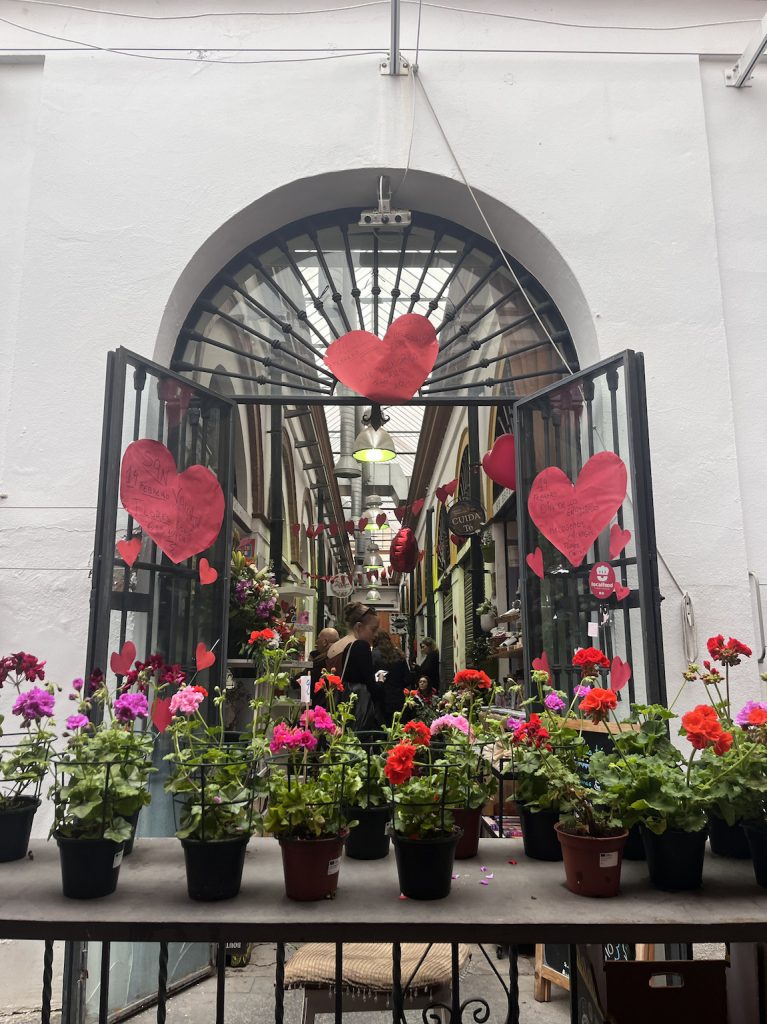
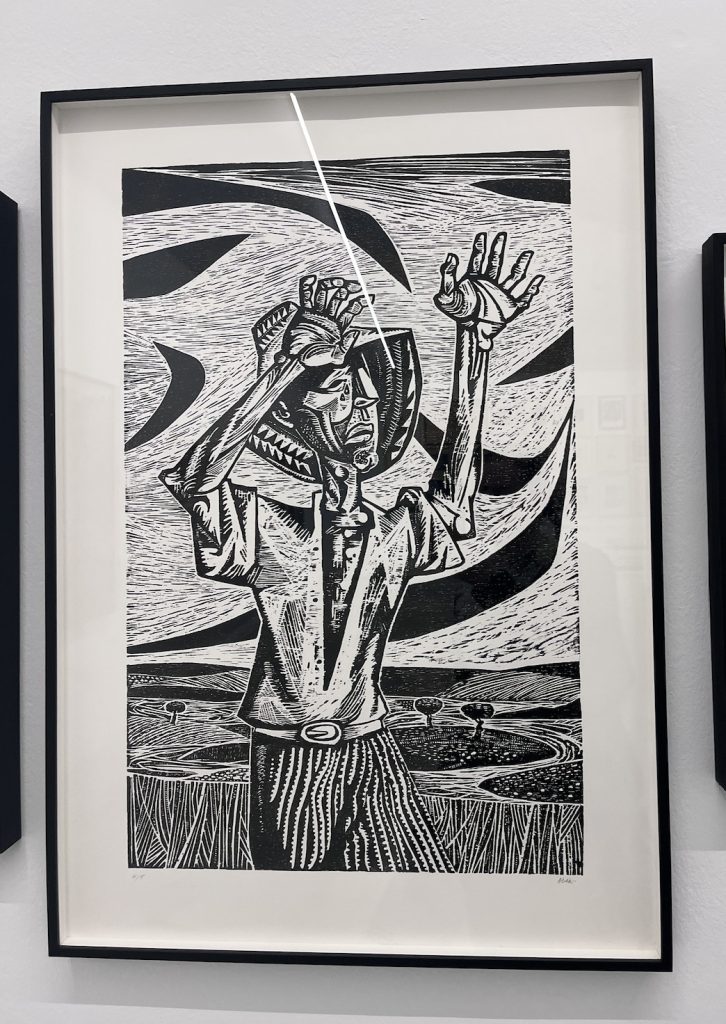
MEDIA 3004 classmates in March 2024 to explore Estampa Popular—
a 1960s artist collective that used printmaking as a powerful tool of visual resistance under Franco’s regime
MEDIA 3004 Digital and Visual Culture in Contemporary Spain
“This course explores the main historical, cultural and identity issues of contemporary Spain (from the 1930s of the twentieth century until today) through the study and analysis of visual media, with special emphasis on photography and cinema. It examines media representations in terms of “cultural memory”. Together with the exploration of a number of historical periods of the recent history of Spain – including the Civil War, the Franco dictatorship, or the transition to democracy – the topics covered over the course will familiarize students with leading figures of visual arts in contemporary Spain (such as photographers, filmmakers, writers, and media artists), with the debate on media representation and cultural memory, and with the concept of post-photography, eventually relating visual and digital culture in the context of postmodernity in Spain.”
Although this course focused on the context of contemporary Spain, it taught me valuable skills in critically analyzing visual media and understanding its role in cultivating culture. In our visually oriented society, media—especially visual and digital—plays a powerful role in shaping cultural identity. This is important knowledge to keep in mind when producing my own media, whether for marketing and promotional materials, community outreach, or event documentation. It also reinforced the importance of being aware of the broader societal and cultural impact that media can have, and the responsibility that comes with creating it.
I took this course in Seville, Spain through CIEE.
ID 01 Fashion Styling (MKS Milano)
“This Fashion Styling course by MKS Milano Fashion School covers the strategic role of the Stylist in the fashion system, from fashion shows and advertising campaigns to magazines, look-books, and digital storytelling. Core training units include Fashion Styling, History of Fashion & Major Brand Aesthetics, Social Media Marketing, and a Fashion Photography Workshop, culminating in a Final Photoshoot and participation in Milan Fashion Week. Students will develop creative research methods, moodboard and storyboard skills, stylist/photographer collaboration, and marketing communication- with hands-on opportunities in the backstage of Milan Fashion Week through the school’s connection to the Backstage Service Group.“
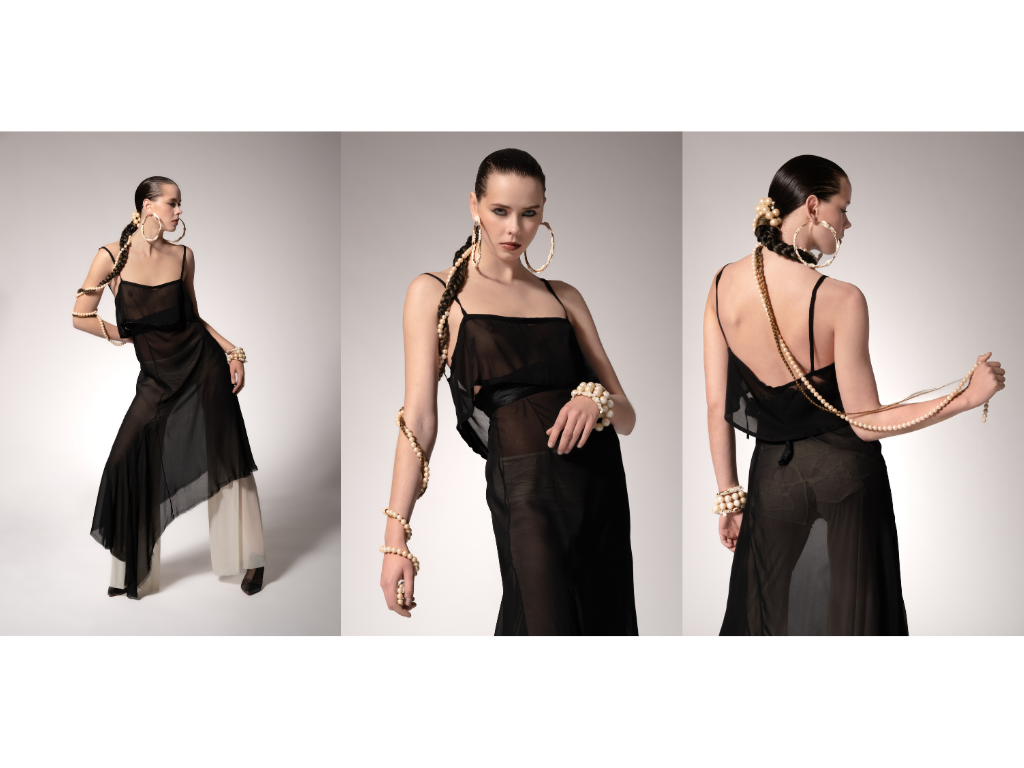
In addition to the opportunity to attend multiple shows at Milan Fashion Week, work behind-the-scenes on the set of the Devil Wears Prada 2, and style, design, and direct a model photoshoot for the final, this course offered lessons in social media management, fashion and trend history and icons, styling practices, proper lighting for photoshoots, and so much more. The skills gained, but more importantly the experiences and attunement of taste, in this course gave me more confidence in the execution of R.I.P. Lair.
I will took this course in Milan, Italy through IES in the fall semester of 2025.