To be completely honest, coming into this class, I was not very excited. I am a choir girl through and through, and I knew that 1920’s Paris was known much more for its instrumental music than its choral music. Being a student who also hasn’t gone through music history classes yet, I knew little to nothing about the era outside of anything I may have picked up in music theory. I’m not the kind of person who can list pieces by composers or compare and contrast styles (unless we’re talking choral), and I had never even heard of some of the composers we were talking about. so right from the get-go, I felt inferior and out of place. However, throughout the course I found themes and bits of information that I was able to connect to, and I ended up really enjoying the readings and information. Some subjects and people I enjoyed learning about were Josephine Baker and exoticism, the Princesse de Polignac and sexuality, and Germaine Tailleferre and gender.

Throughout my research and writings in this class i have frequently come across the themes of gender and nationality. Through researching Germaine Tailleferre, I learned a lot about Les Six and the dynamic between Tailleferre and her fellow members. It was interesting to come across questionable quotes such as this from Milhaud: “she is a delightful musician, but also that is the music of a young girl in the loveliest sense of the word, and that it is so fresh that it could be scented1.” I was shown the difference in amount of literature about Tailleferre, and the amount of literature about the rest of Les Six. I also found it interesting how Tailleferre didn’t want to be perceived as feminist or as having womanly characteristics in her music, but instead only wanted to be seen as an equal in her field. I really respected this viewpoint from Tailleferre and can relate to it myself.
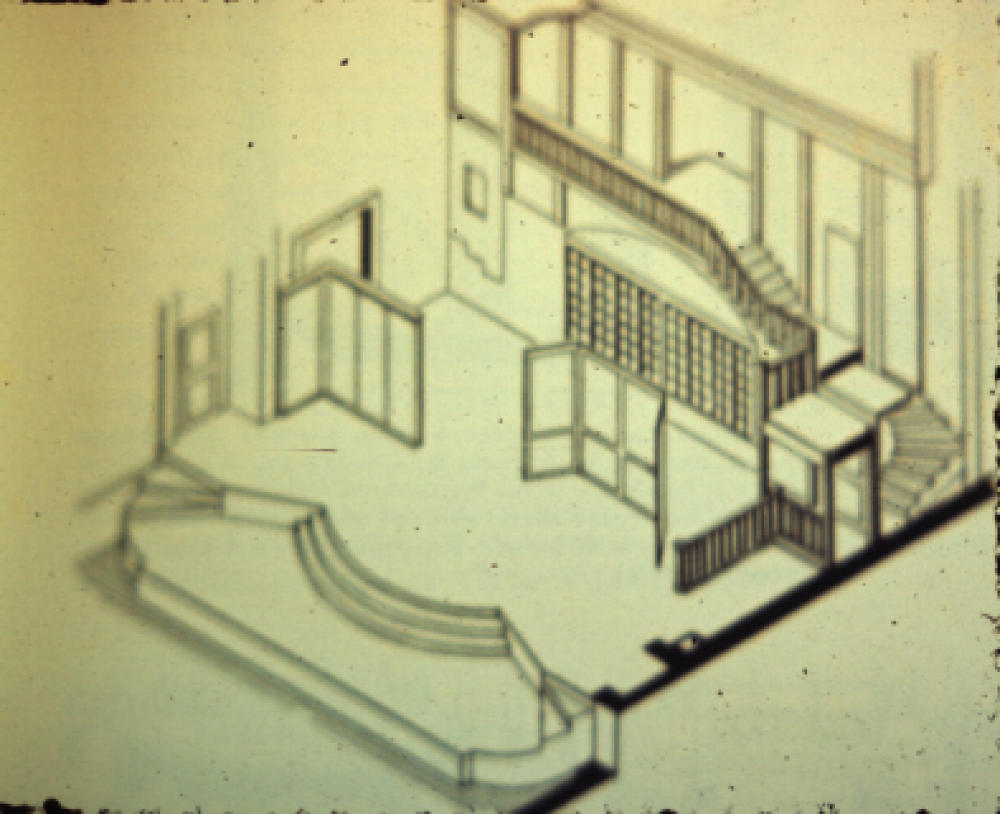
In studying Tailleferre, as well as Jaques Copeau for my second paper, I came across the theme of nationalism. Tailleferre was very concerned with her music being perceived as neoclassical, a composition style very closely tied to France. She joined Les Six, a group of French composers who all had somewhat similar neoclassical style– however, Tailleferre’s gender often outweighed her nationality in the eyes of her critics and peers. Jean Cocteau was very concerned with French Theater, specifically the “rebirth” of it. He owned the Vieux-Colombier Theatre and school, and as time went on, he believed in the value in educating the next generation more and more. He was concerned with abandoning the formality and stuffiness of French theater, and adopting a more minimalist approach, which he believed would let the script itself shine more brightly.
Through my research and time in this class I’ve gained a respect and understanding of the time period. I found themes and people I could identify with and be excited to read about. I would be interested in continuing to learn about Parisian pop culture in this time period, and perhaps about any choral music or composers.
1Shapiro, Robert. “Germaine Tailleferre.” In Les Six: The French Composers and Their Mentors Jean Cocteau and Erik Satie. Edited by Robert Shapiro, 243-276. London: Peter Owen, 2011. p.262