Each research project carries its own set of difficulties. If you are researching with a lot of sources at your disposal, it is often difficult to decide which are the most important and which you should leave out when making your claim. Research on an obscure topic where limited to almost no scholarship exists can often leave the researcher feeling dissatisfied, frustrated, or even hopeless. Here, I dare to make a broad claim and say that research is never too simple.
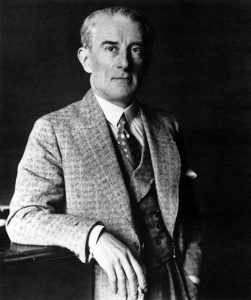
Ravel’s Chansons madécasses is an interesting research assignment for me. The scholarly resources that are available that explicitly discuss this piece most directly address issues of exoticism and primitivism within the songs.[1] However, I really want to explore a new side of the piece that hasn’t necessarily been analyzed with the same depth. After all, we should look at musical works from a variety of different perspectives. While I haven’t chosen which lens I want to look at Chansons madécasses with, I know I want to challenge myself and try to look at the piece through a non-obvious lens.
Searching for and discovering new claims is something that I have been thinking a lot about as I do research for this last paper. In a lot of cases, it seems like scholarship only approaches certain musical works from one or two perspectives without considering other factors that could’ve largely contributed to the creation and performance of the piece. Of course, many different perspectives or lenses we can use to analyze works will fall short. But this is what makes research so exciting; finding a new claim to make about the topic you are researching and supporting or even discrediting it with evidence that you discover. As I dive deeper into the history and performance of Chansons madécasses, Ravel, and his relationship with patron Elizabeth Sprague Coolidge, I look forward to finalizing a claim and discovering something new.

[1] James, Richard S. “Ravel’s ‘Chansons Madécasses:” Ethnic Fantasy or Ethnic Borrowing?” The Musical Quarterly 74, no. 3 (1990): 360–84.- This is a source that appears at the top of the list when you type “Chansons Madécasses” into the St. Olaf library catalyst search engine.