Finally (Kinda) Understanding French Music

As I take time to reflect on this past semester, I feel that overall, I learned a lot. For me as a woman, the most prominent theme I resonated with was through the lens of gender.
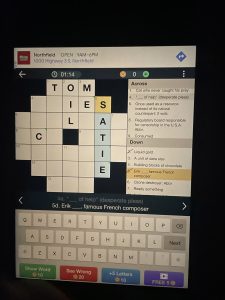
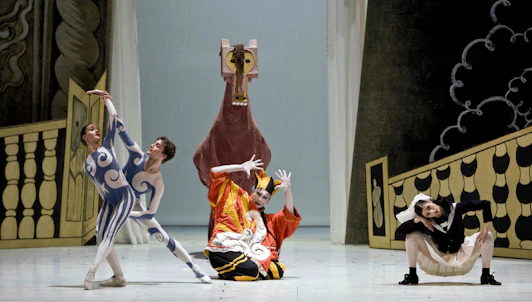
By writing about Jane Bathori, I truly had the opportunity to understand more about females in Paris during the 1920s and how they even had prominent roles in French society. This lens was very prominent in my first two papers, yet not so much in my third. Another lens that I explored was nationalism. Parade always interested me, not just because of the music but also the staging and costumes. Getting to learn how that piece furthered modernism in Paris is incredible and eye-opening. (Erik Satie even popped up in my crossword puzzles and I definitely wouldn’t have known who it was without this class!)
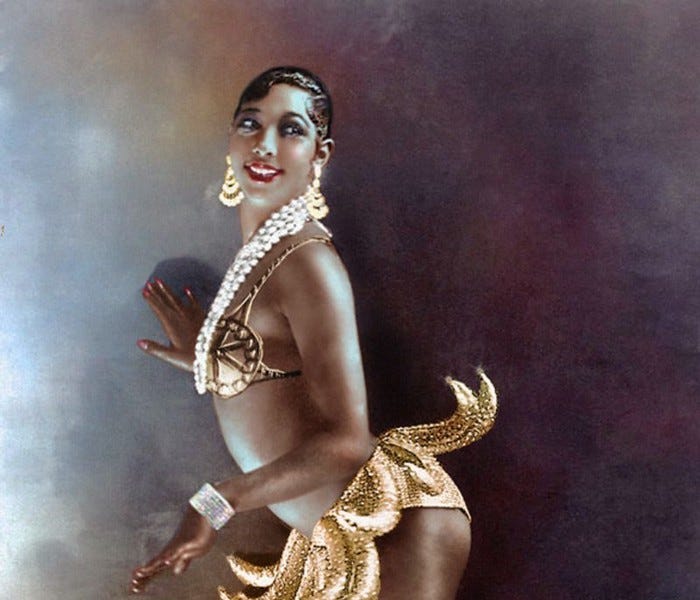
One of the most interesting readings and in-class conversations we have had is the idea of Negrophilia. Having known about it in the US, it was striking to read from another perspective of the French world. I really enjoyed the Joesphine Baker book by Gates and Dalton. It really shows how much French music did not have a solid base of what it really meant and I was surprised by that. I thought there was a solid definition for French music and there really is not. The closest I can think of is Debussy. But Josephine Baker helped produce another sound during the 1920s. Not only does this topic focus on the gender lens, but also on nationalism and race, all lenses I find to be the most intriguing.
It is crazy to think how interconnected the world of French music really was throughout our readings as a class. Even relating to my vocal solo lit class, I would notice how many people knew each other and how interwoven it was. To think that this was a century ago is crazy to me. How can there still be such similar lenses in our current music, both classical and contemporary, as in the 1920s? It is insane to think that without these influential people and risky music, music changed throughout not just France but the world.
Being able to be a little more familiar with the French music world is super helpful and maybe will entice me to sing more French. I remember at the Orchestra concert this past weekend, they played a Stravinsky piece and in the description, they talked about the Ballet Russe and Diaghilev and I was able to understand what that meant. It felt good to realize that I did take away maybe more than I think from this course and really enjoyed it!