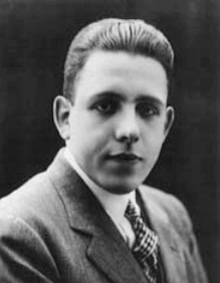
We all know and love Francis Poulenc. And as I’ve begun research on the well known Parisian, I’ve run more into the problem of finding too much information than not finding enough. This is because Poulenc was an active and well known composer from 1916 all the way to his death in 1963. He did plenty of writing himself, which is well documented, and participated in a lot of interviews as well.
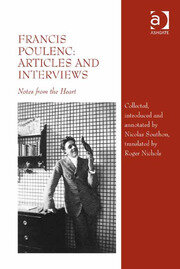
The source I’ve found that has been the most helpful so far in my research is a collection of information on Poulenc. The collection has writings of his own, writings about him, and transcripts of interviews with him, all of which have been translated into English. The collection is fittingly named Francis Poulenc: Articles and Interviews1 by Nicolas Southon and Roger Nichols.
This source has been helpful to me because it compliments a lot of the assigned readings and discussions that we have already experienced in and out of class. Especially considering how many retrospective conversations we’ve had about the music of Poulenc and how it fits into the mold of French music in the 1920s, it has been especially meaningful to read articles and interviews that took place in the time period that we are studying.
For example, one article in the collection written by Poulenc is titled “Francis Poulenc on His Ballets”. This article gives us insight into the process that Poulenc went through in writing his ballets, including tidbits of information about specific ballets informing us of why they were written as they were. For example, a quote from the article reads,
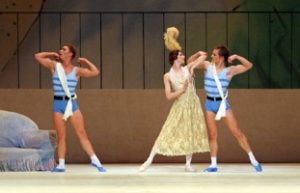
“I write my own libretto, and cannot imagine making a ballet in any other way; for the subject of the ballet is born at the same time as the movement of the music. Les Biches has no real plot, for the good reason that if it had it might have caused a scandal.” (Poulenc 39).
To read Poulenc himself talk about his reasoning for the plot of Les Biches reinforces and adds more ideas to some of the discussions we’ve had in class about the Ballet. Discussions in class about Les Biches focused on the fact that the Ballet was written with a goal of being void of interpretation. A quote that I have in my class journal that was tied to articles about Les Biches reads:

“This was art deposed from its pedestal with a vengeance, now assuming a humble utilitarian role of lifestyle-enhancement. One senses a wish to exact penance for the romantic pretensions art had exhibited before the war, and for whatever it might have contributed to the grandiose thinking that had provoked and justified the bloodbath.” (Taruskin)2
Understanding that music at this time was created with caution as to not contribute to any kind of wartime ideals, Poulenc’s reasoning for being void of a plot makes sense. In this, we understand more about Poulenc’s place in French music in the 1920s, which is that he contributed to the ideal of meaningless music. Men in bathing suits.
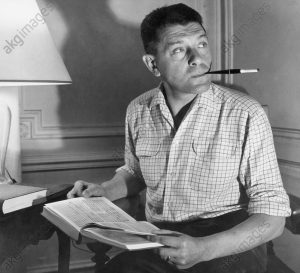
Another valuable article from the collection is titled “What Future for Music” and contains a 5 page interview given by Claude Rostand that asks Poulenc about the future of music. While the interview was conducted in 1953, Poulenc still talks about composers that are relevant in the time period we’re studying, and about his own music from the past up to now.